
It started in that slow, slightly disoriented way travel mornings sometimes do—laundry spinning somewhere behind us, the city still stretching awake—before we crossed over the Puente de Isabel II into Triana.
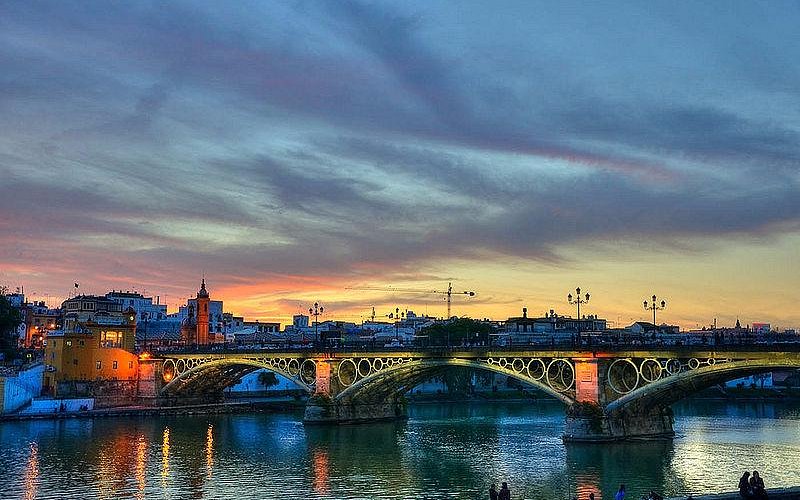
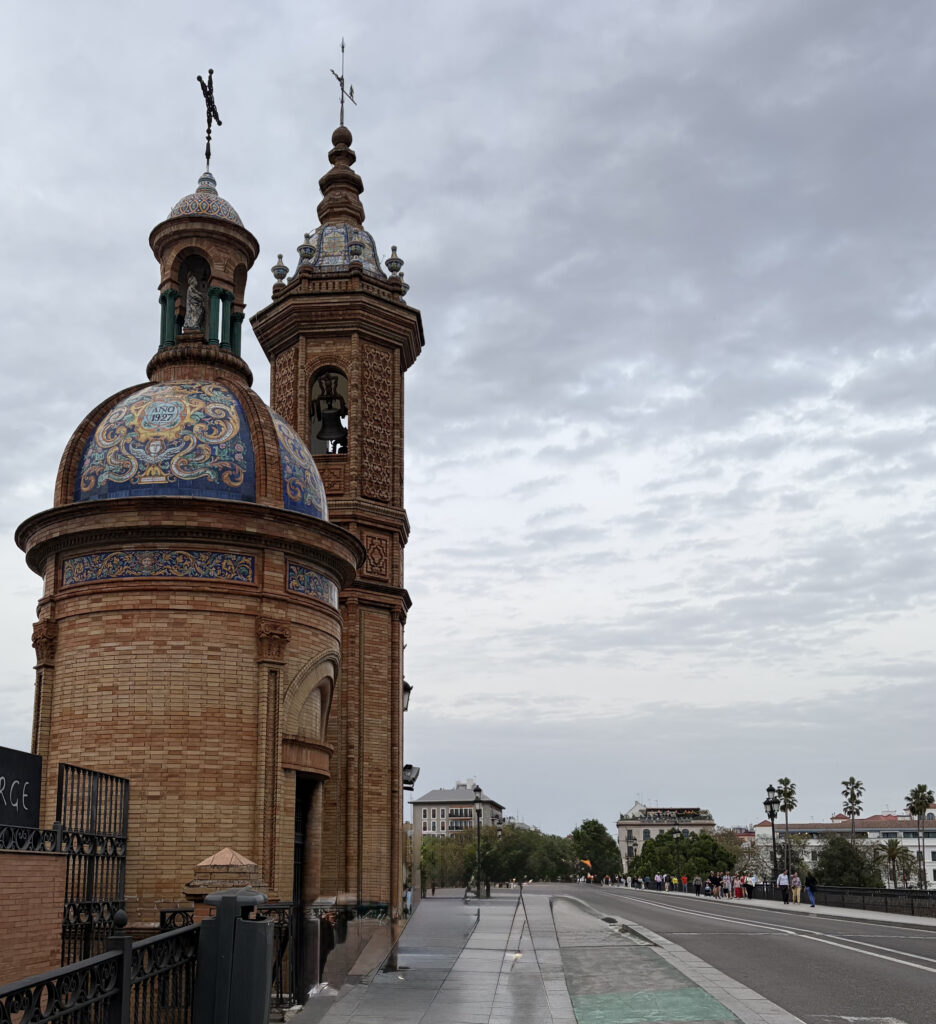
There’s something about that bridge in the early morning—it feels older than it is. The iron arches glow a little gold, the river barely moving, like it hasn’t decided what kind of day it’s going to be yet. Triana, on the far side, has always been its own world—once home to sailors, ceramic makers, and flamenco families who kept their distance from the rest of Seville. You can still feel that edge of independence, even if now it’s quieter cafés and slow mornings.
The bridge itself dates to the 1850s, built during the reign of Queen Isabella II, replacing an old floating bridge that used to sway with the current. Hard to imagine crossing like that, but also kind of perfect for a city that’s always been tied to the river.
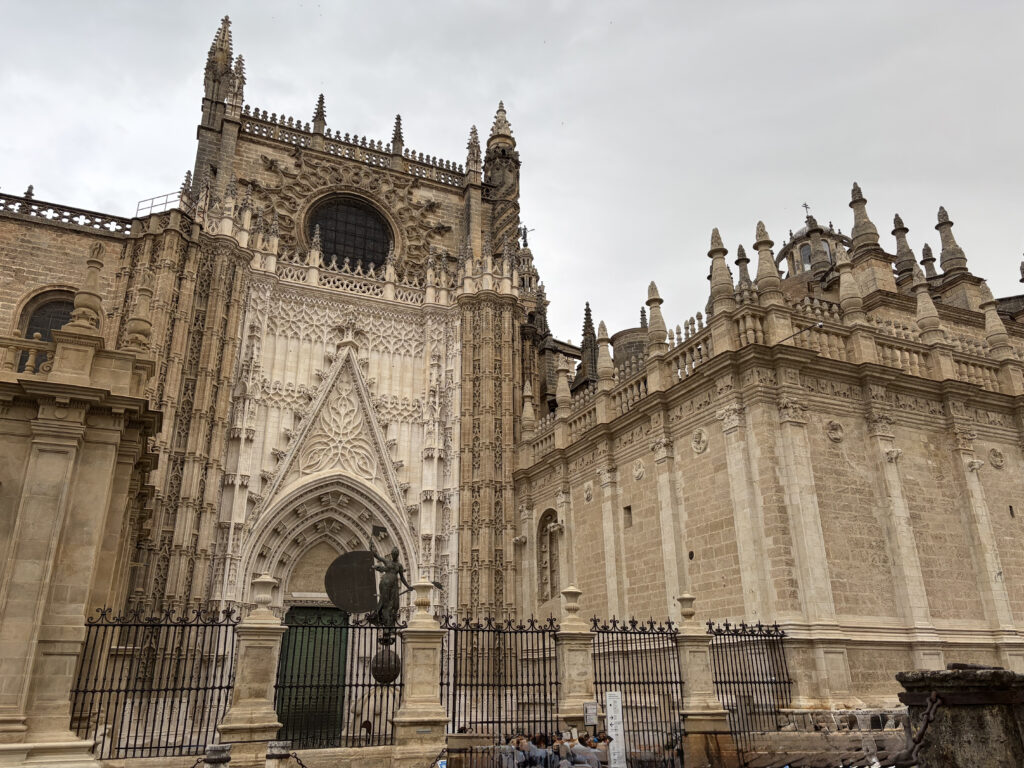
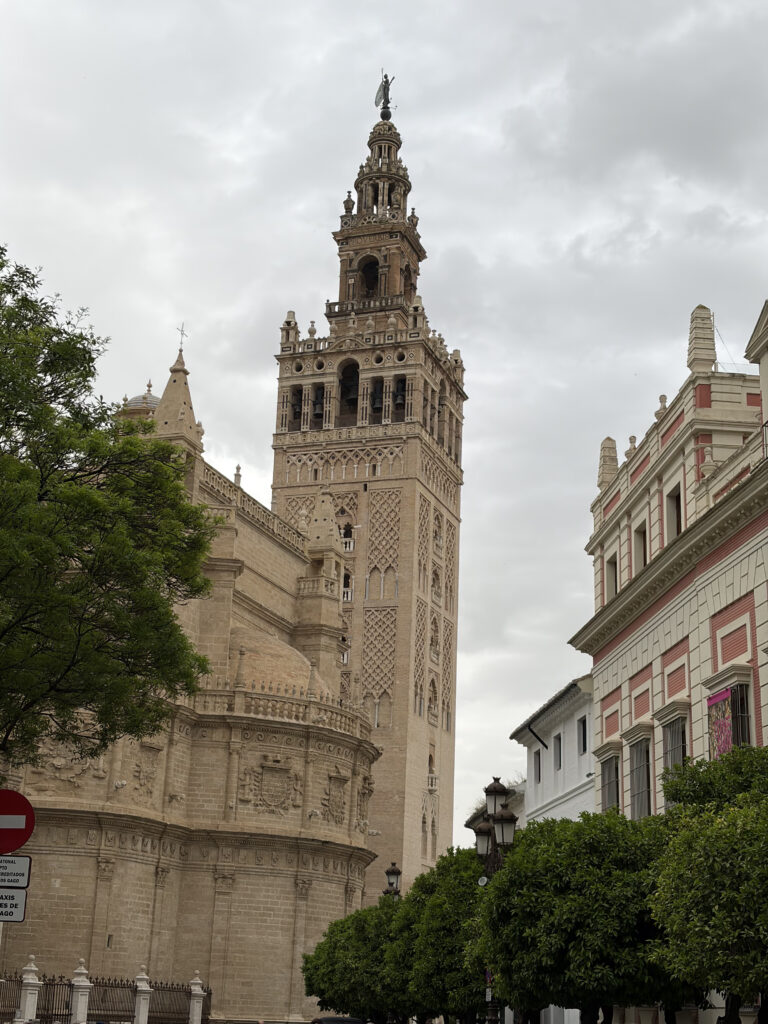
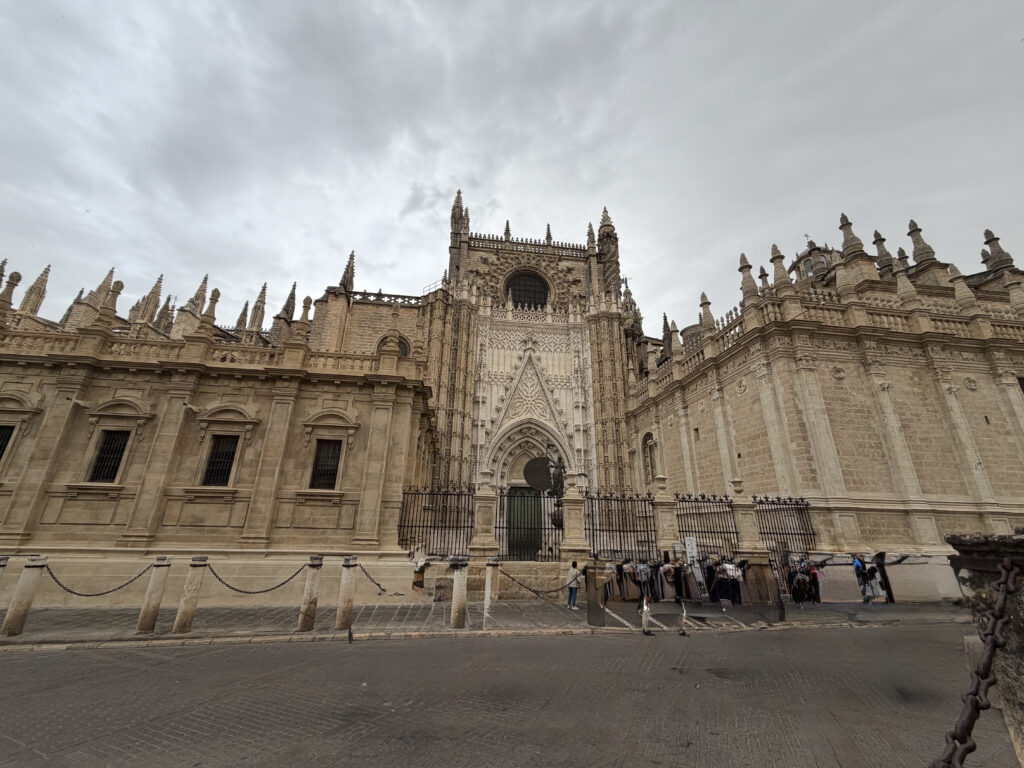
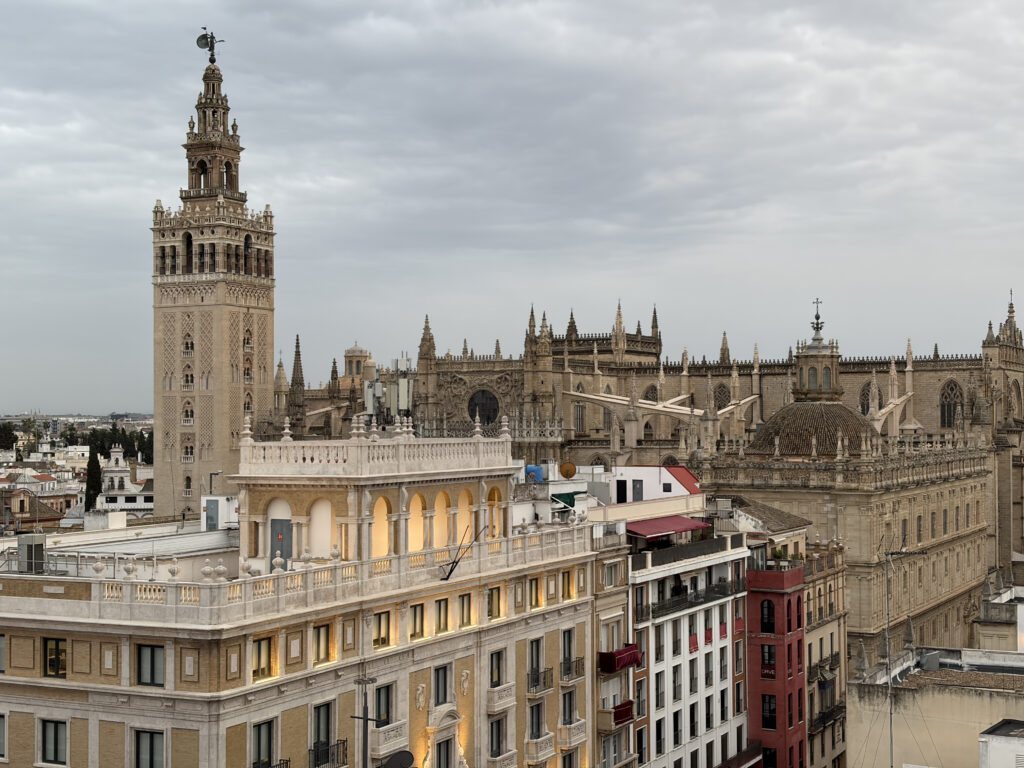
By the time we reached the Seville Cathedral, the city had fully woken up. It’s one of those places that doesn’t ease you in—it just drops you straight into scale. Massive, overwhelming, almost defiant. They built it on top of a former mosque after the Reconquista, and you can still see that past in the La Giralda—once a minaret, now a bell tower. It’s strange in the best way, how the layers never fully erase each other here. Inside, everything stretches upward like it’s trying to prove something. And then there’s the quieter detail—that Christopher Columbus is buried here, or at least some version of him. Even that feels a little unresolved, like much of history in Spain.
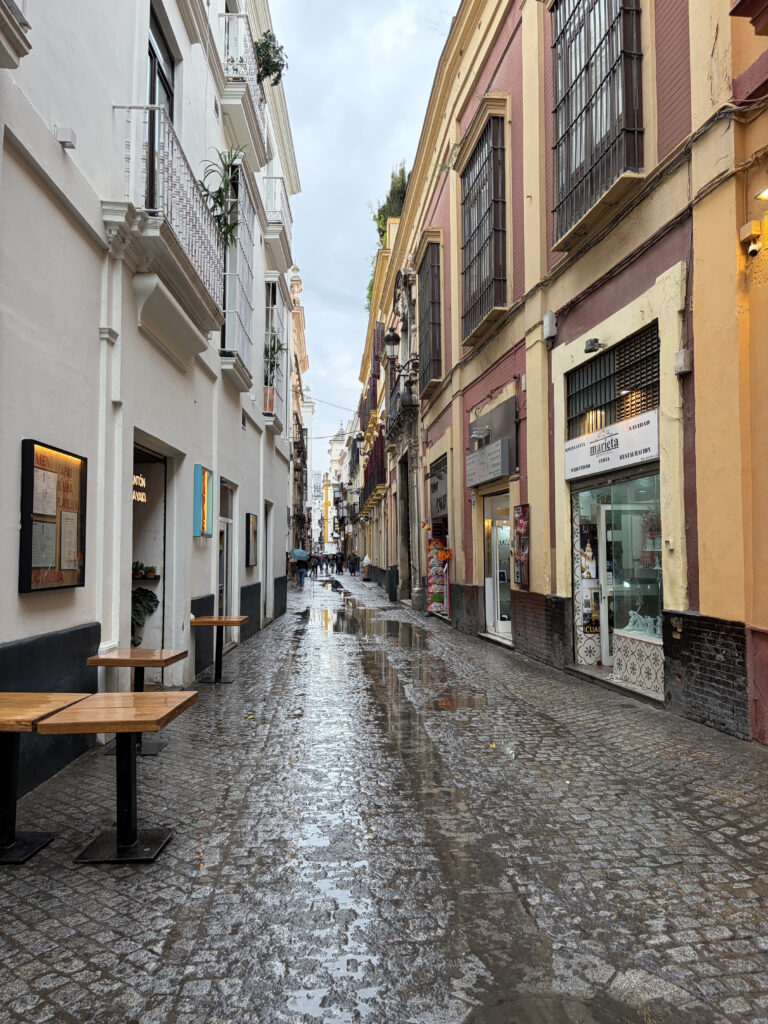
From there, everything softened as we wandered into the Barrio de Santa Cruz.
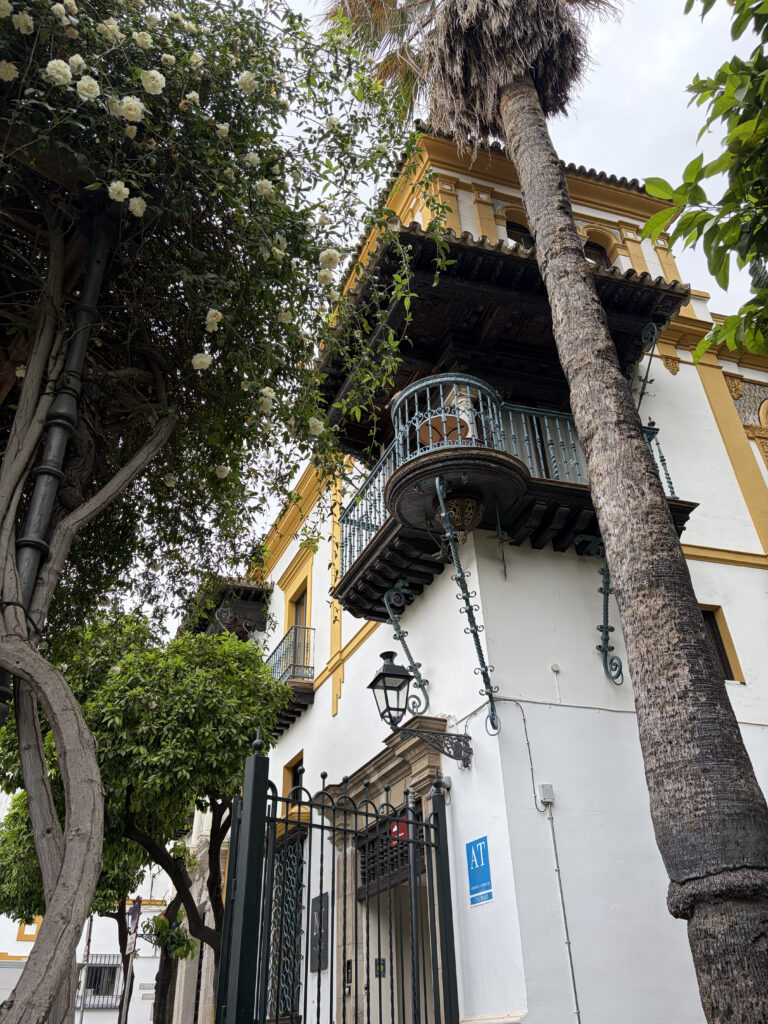
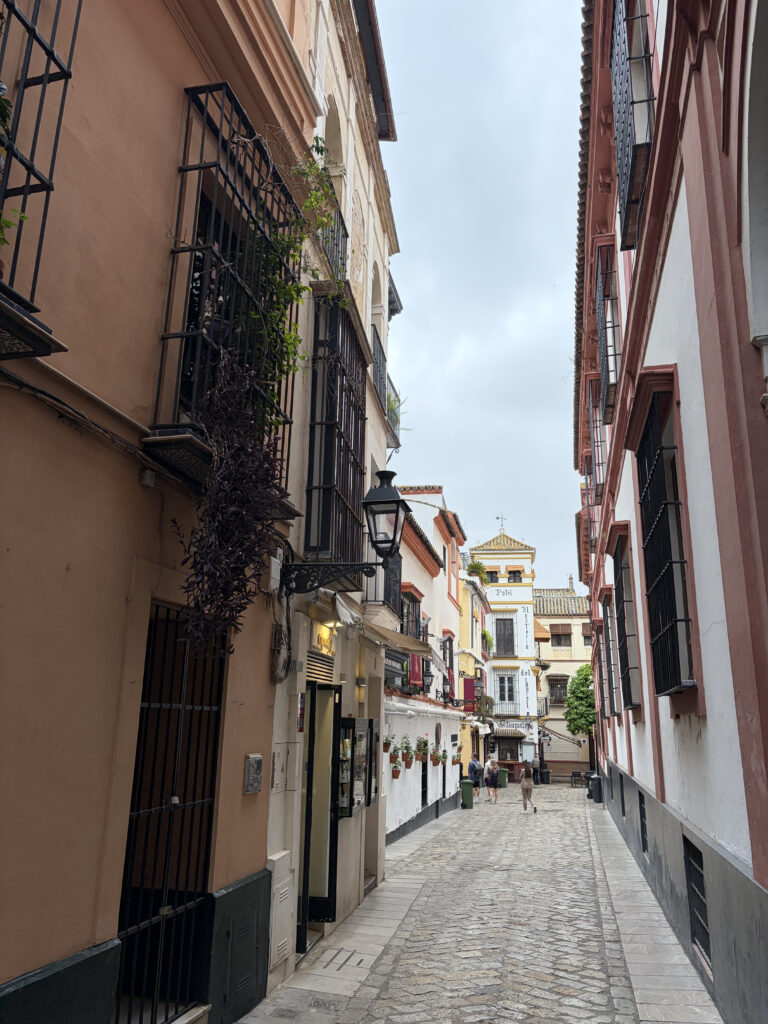
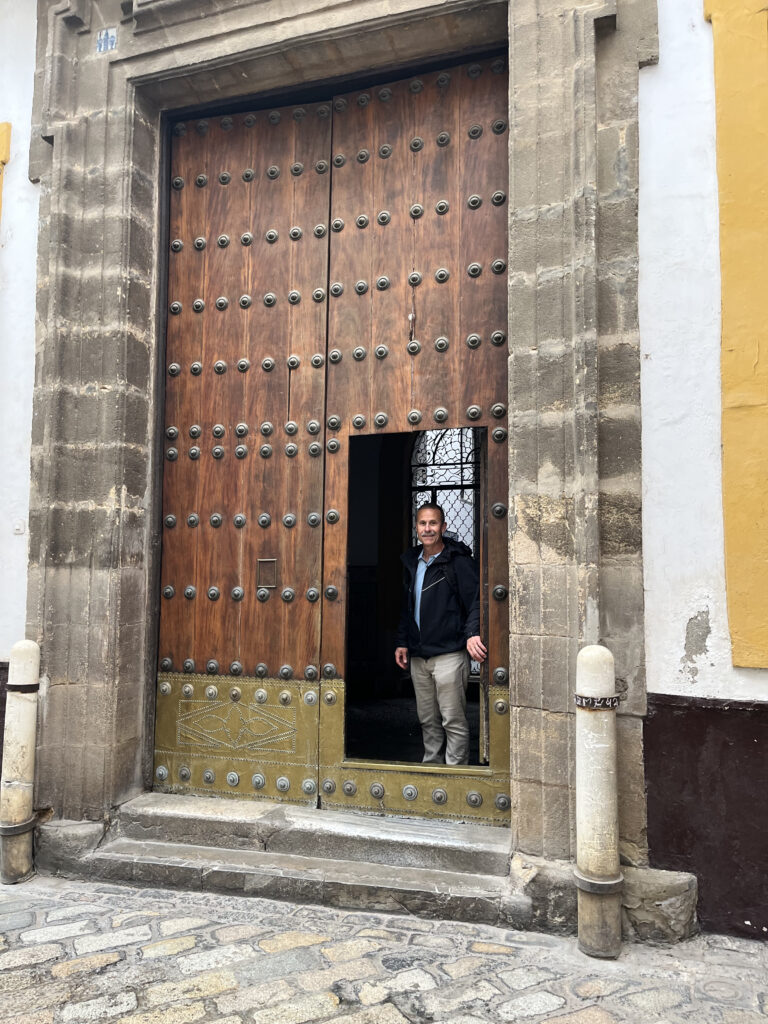
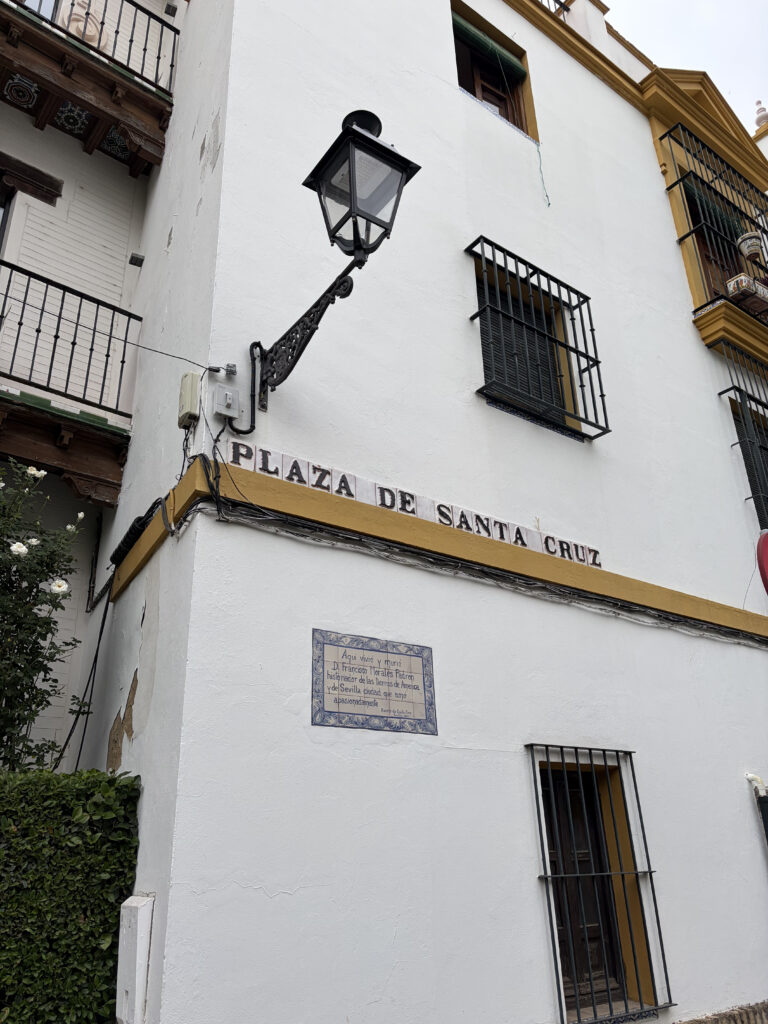
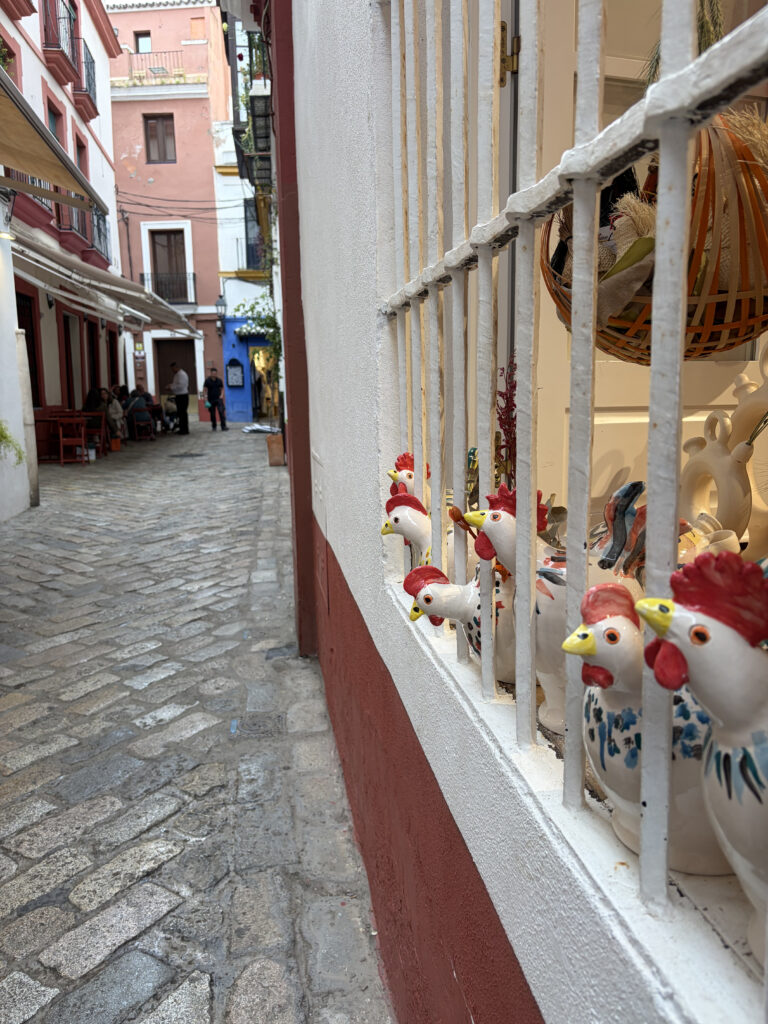
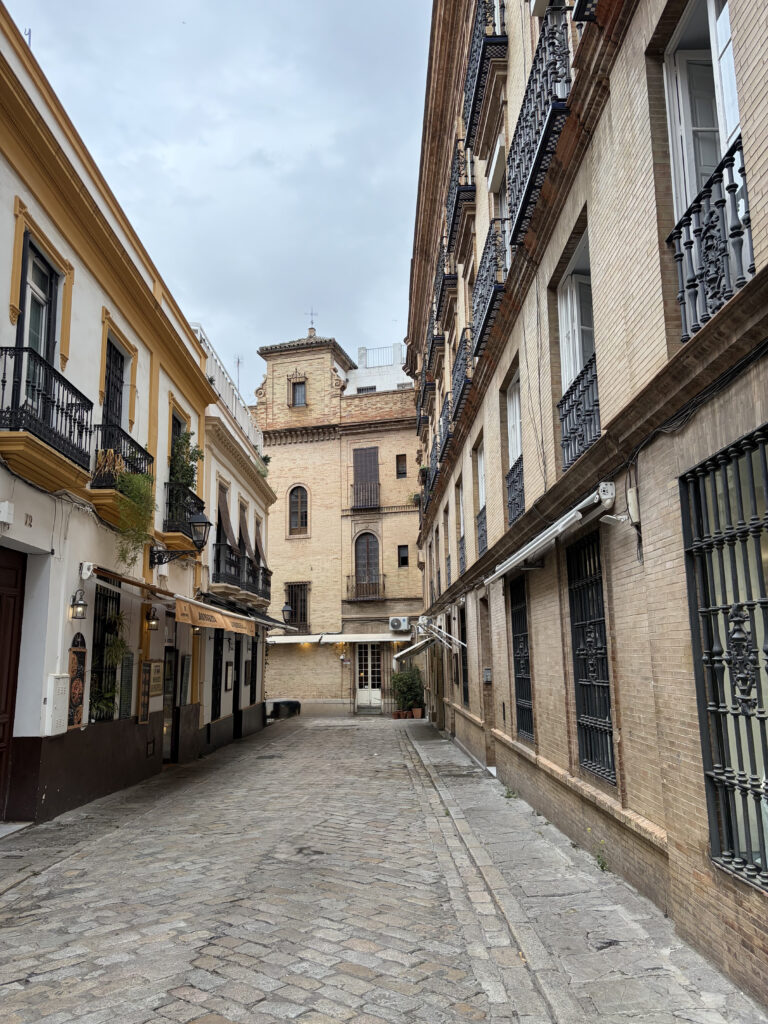
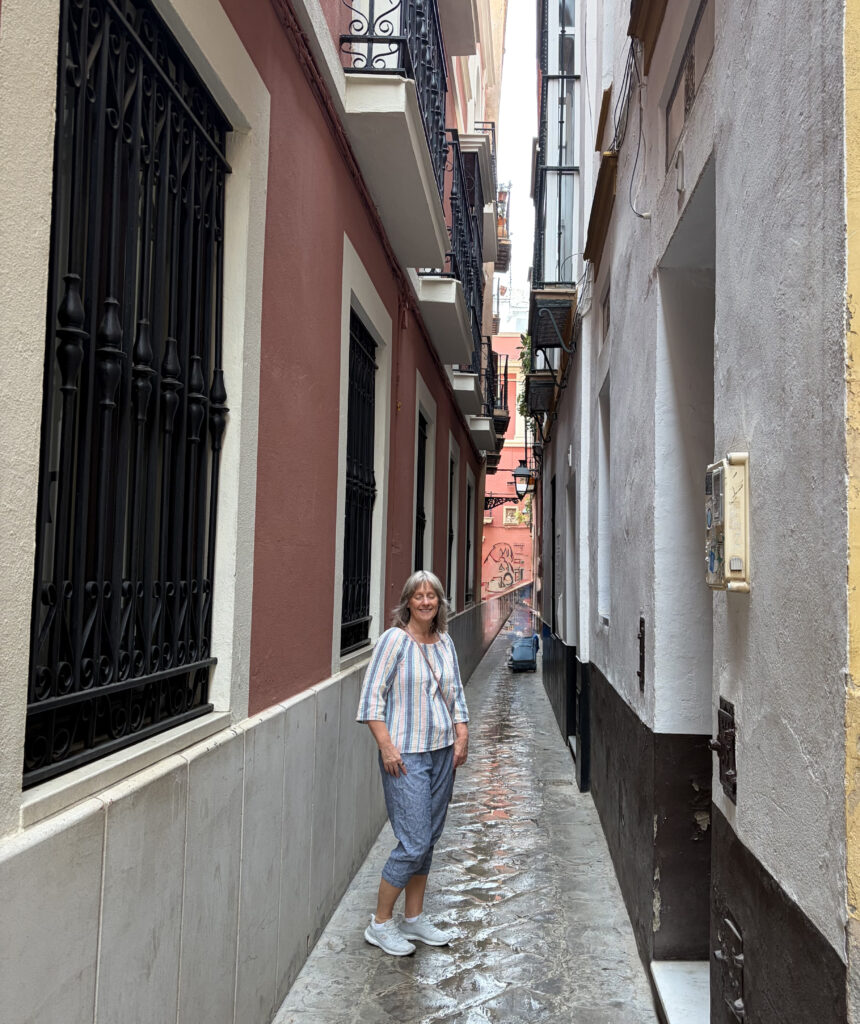
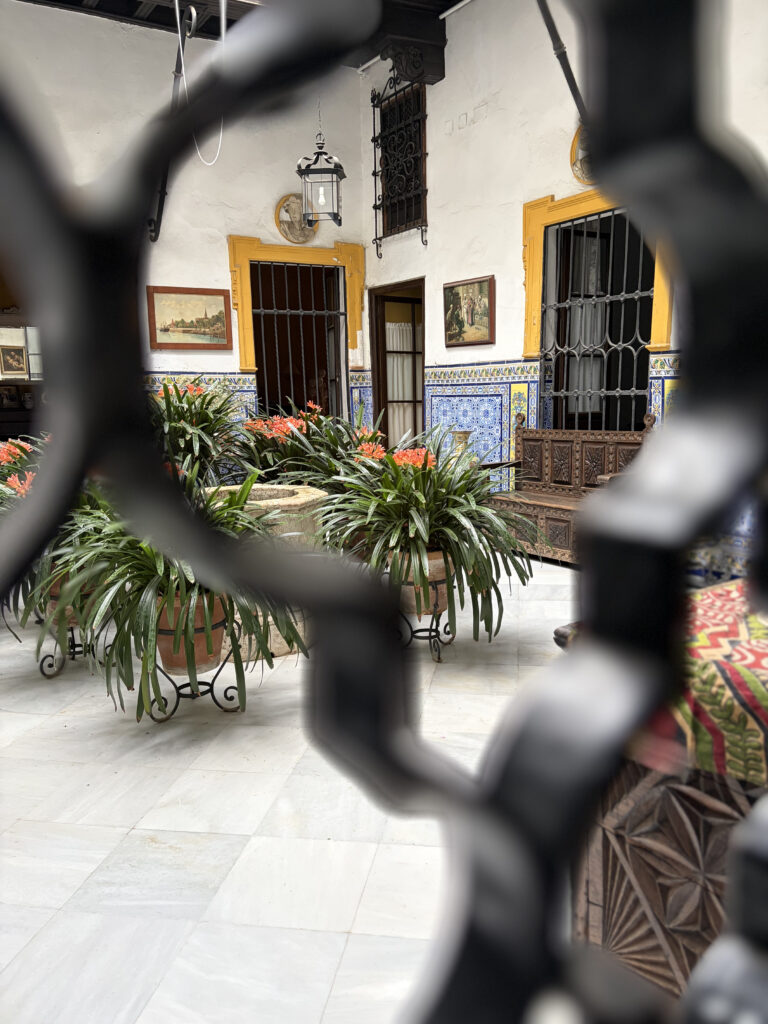
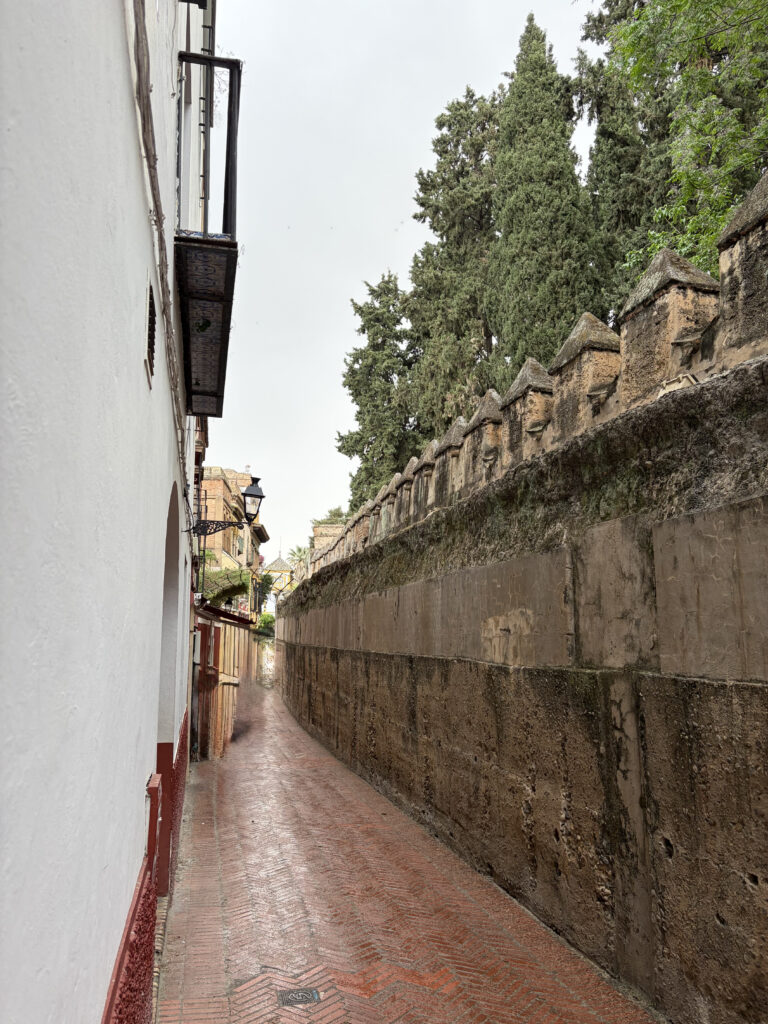
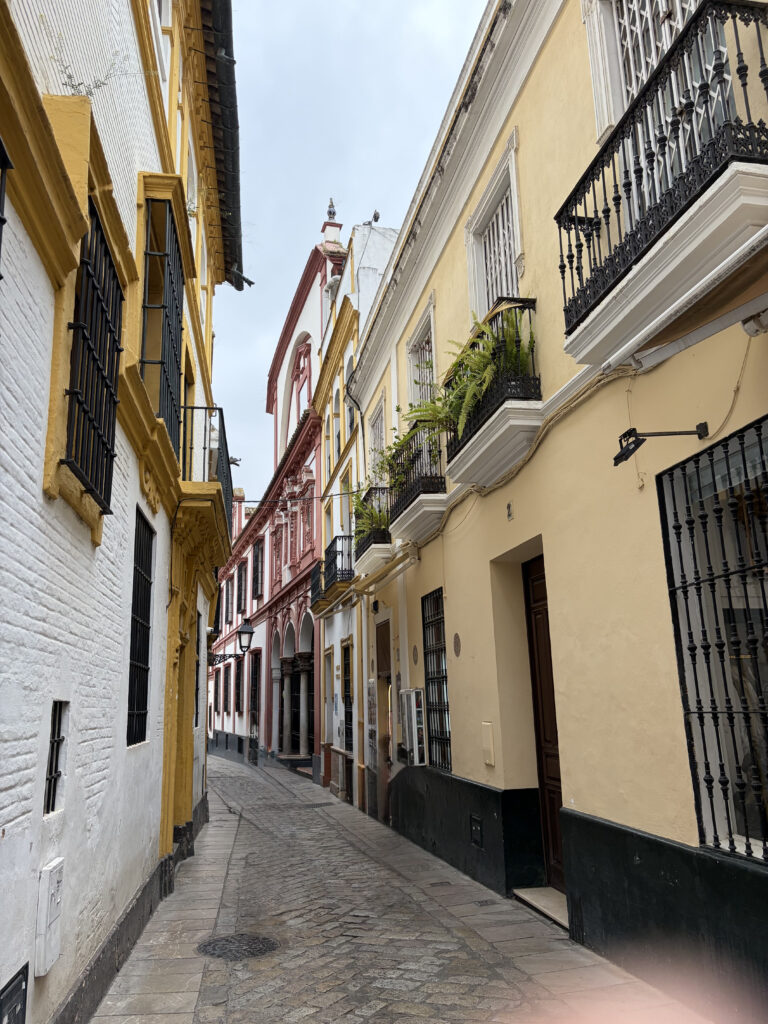
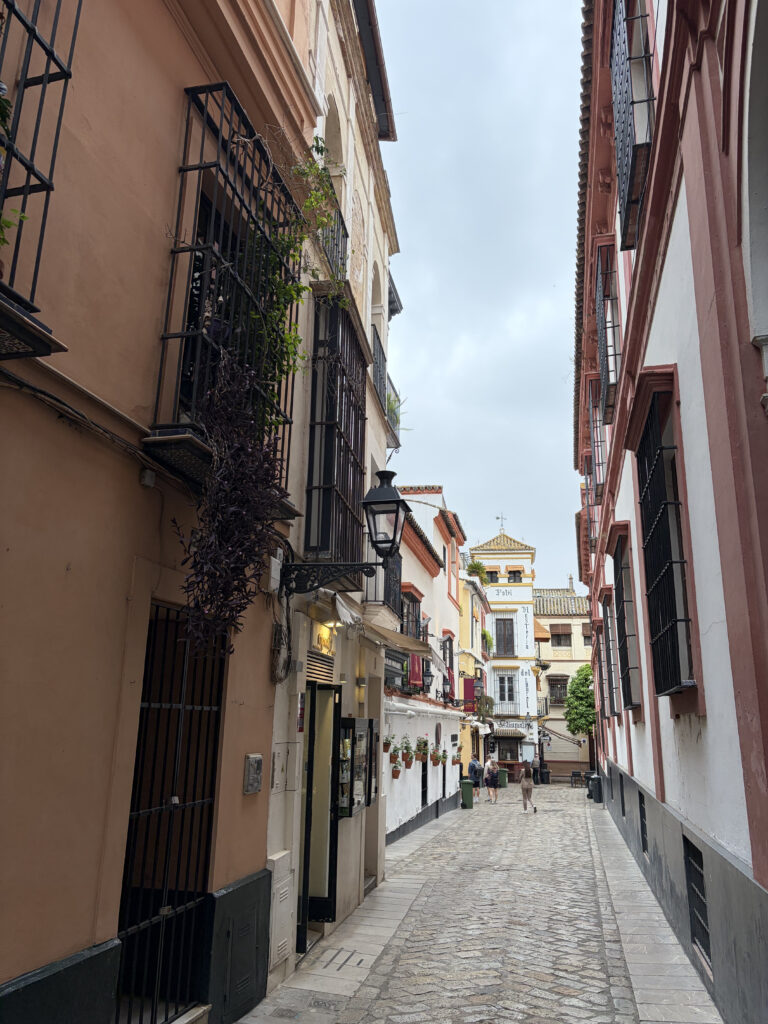
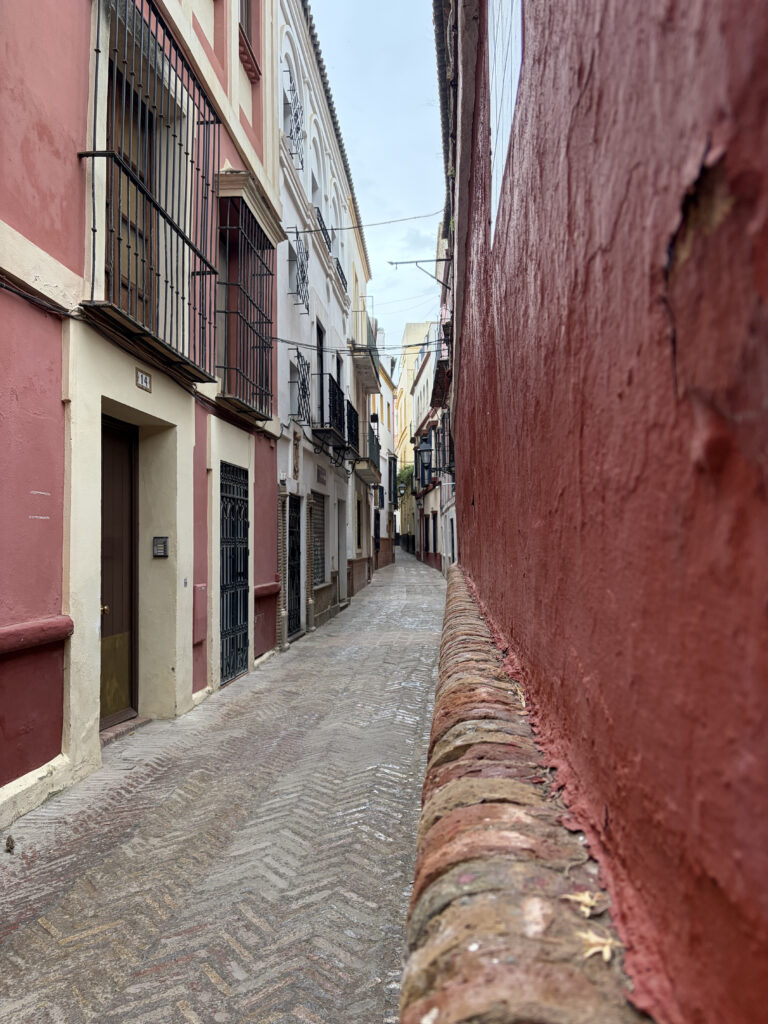
This part of the city used to be the Jewish quarter, before the expulsions in the late 1400s. Now it’s all narrow lanes, tiny squares, and walls that seem built to hold onto shade. You turn a corner and suddenly there’s a courtyard, orange trees overhead, the faint smell of something cooking nearby.
It’s easy to imagine how it once worked—tight streets for protection and cool air, a whole community folded into itself. Now it feels like a maze designed for wandering without a plan, which is exactly what we did.
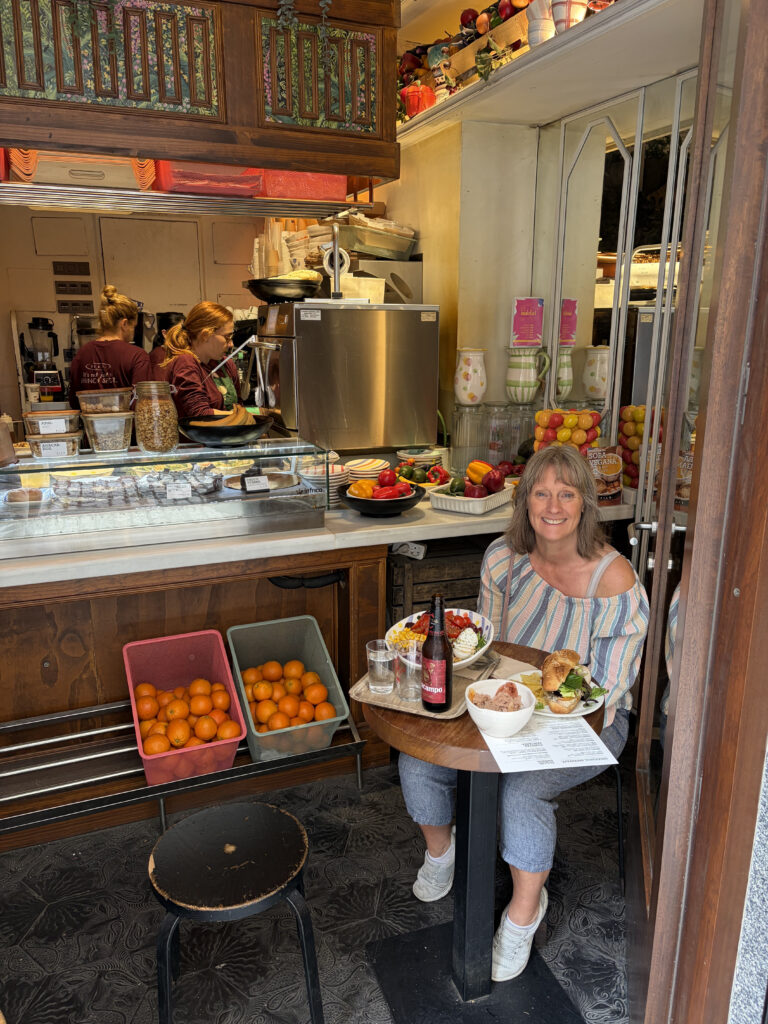
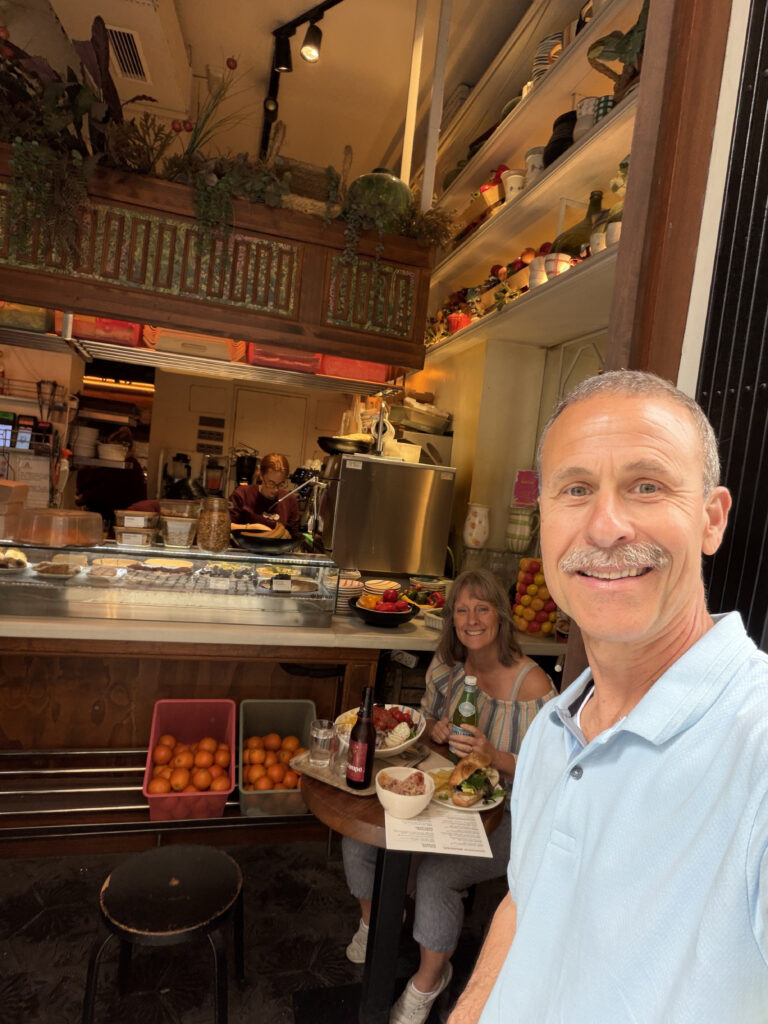
Lunch at Filo was simple in the best way—sandwich, salad, nothing trying too hard. One of those meals that just fits the middle of a day.
We meant to just stop for a bit at the Plaza de España—sit, rest, take it in—and somehow it turned into one of those pauses that stretches longer than expected.
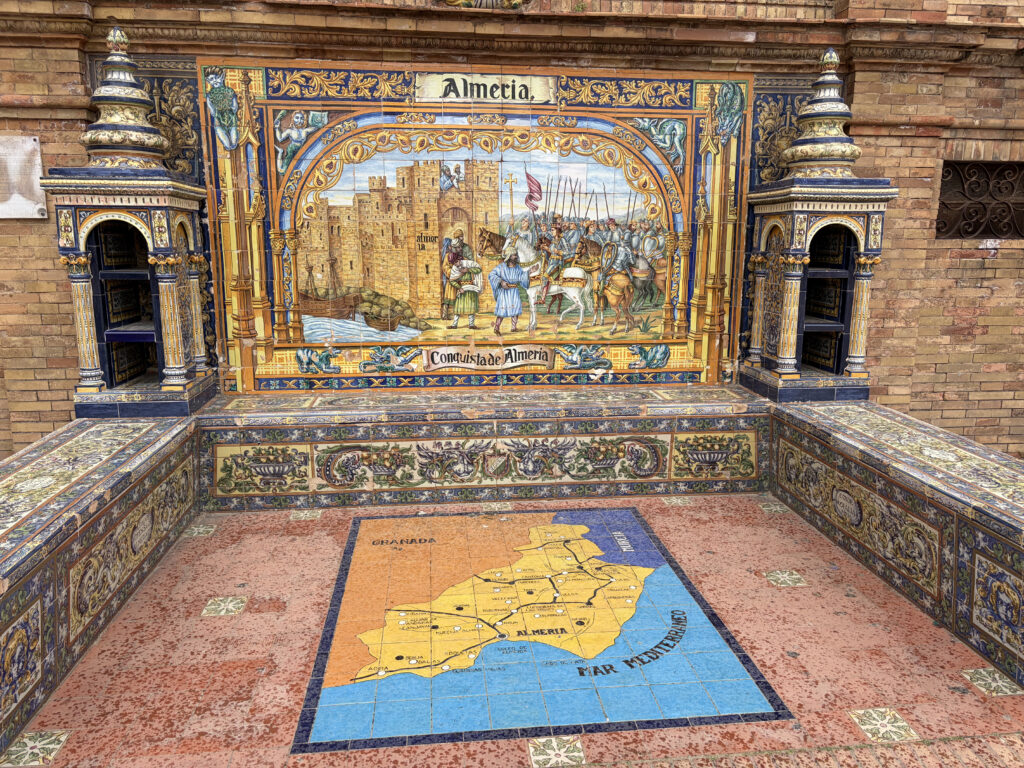
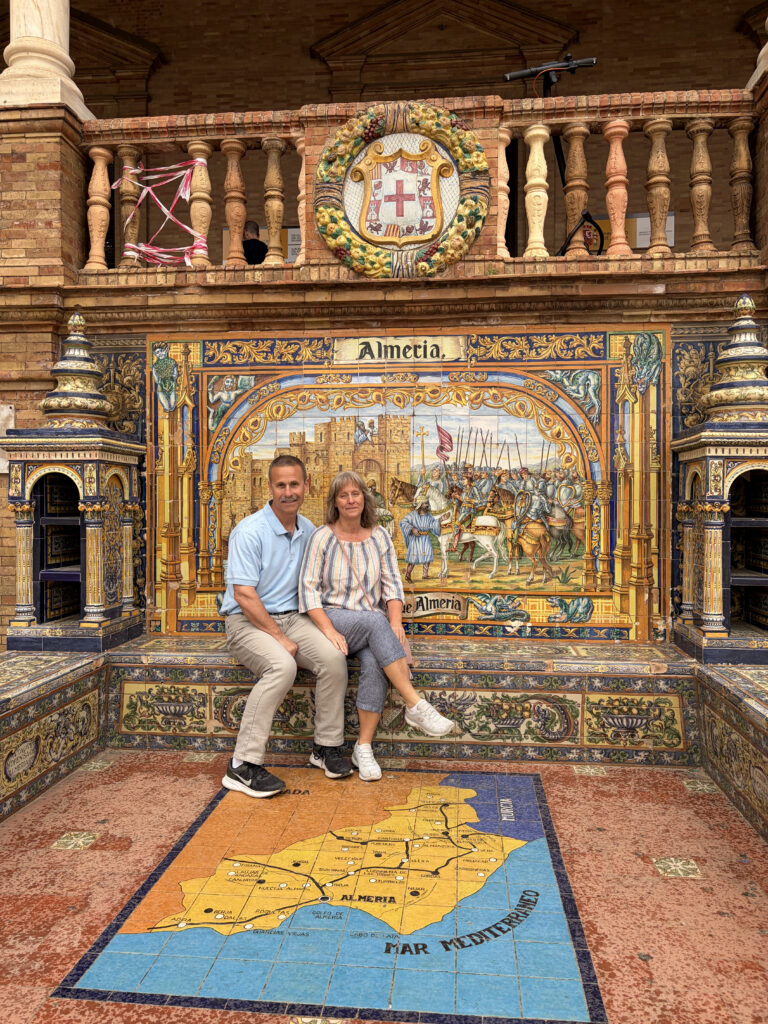
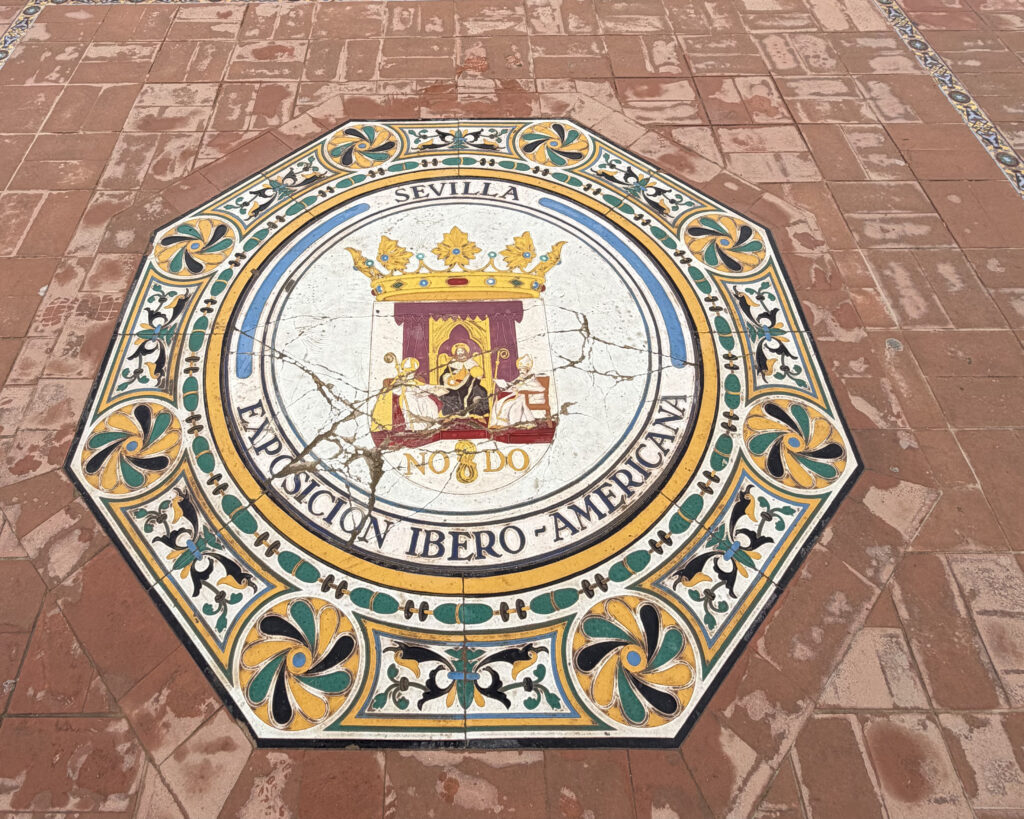
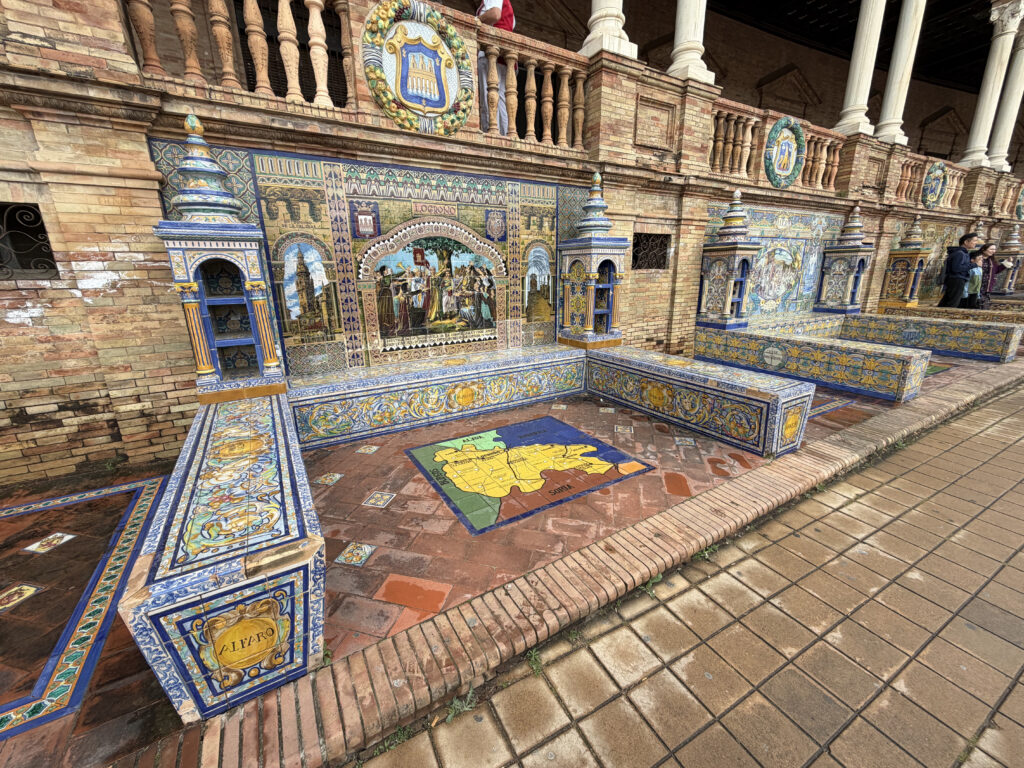
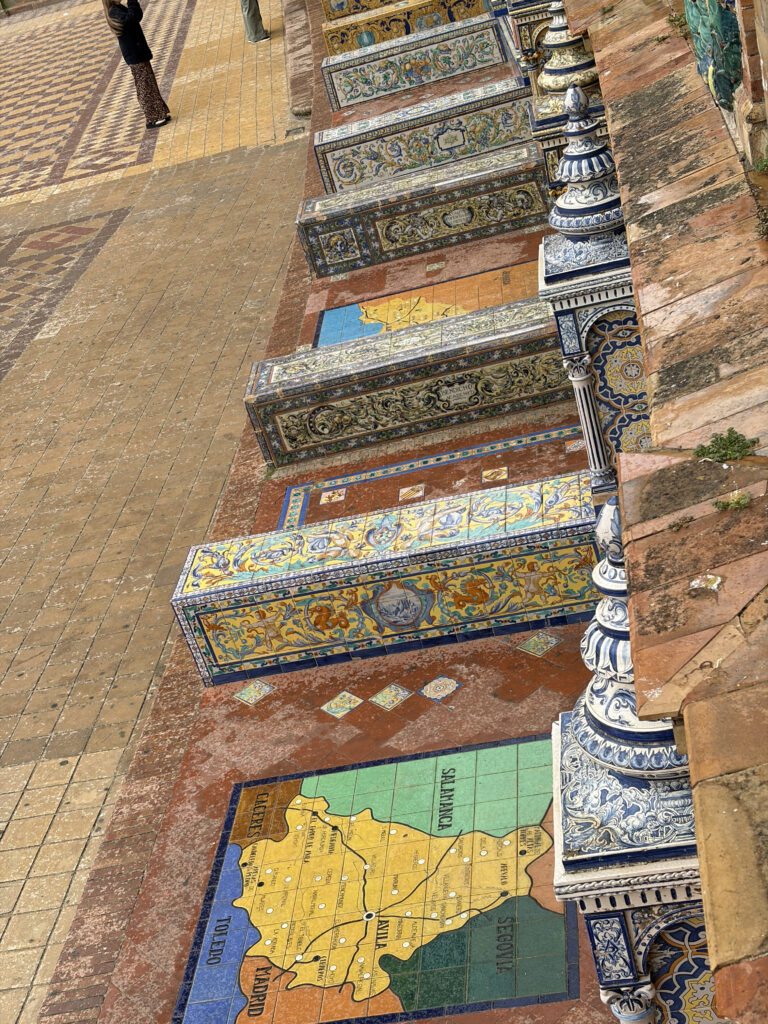
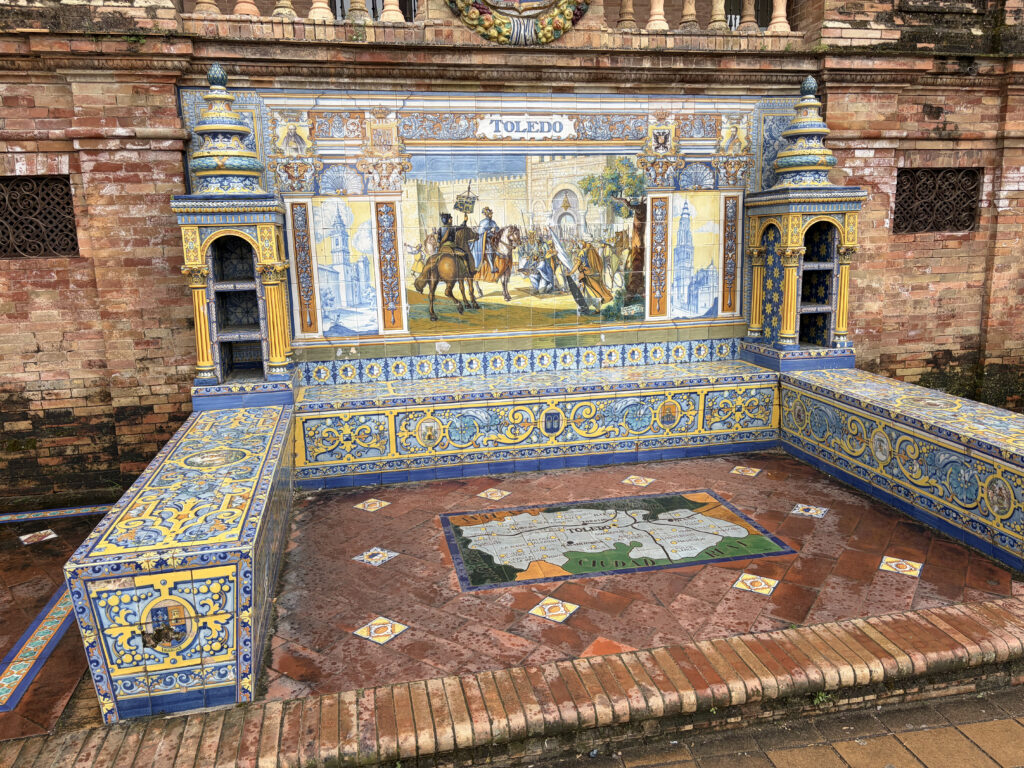
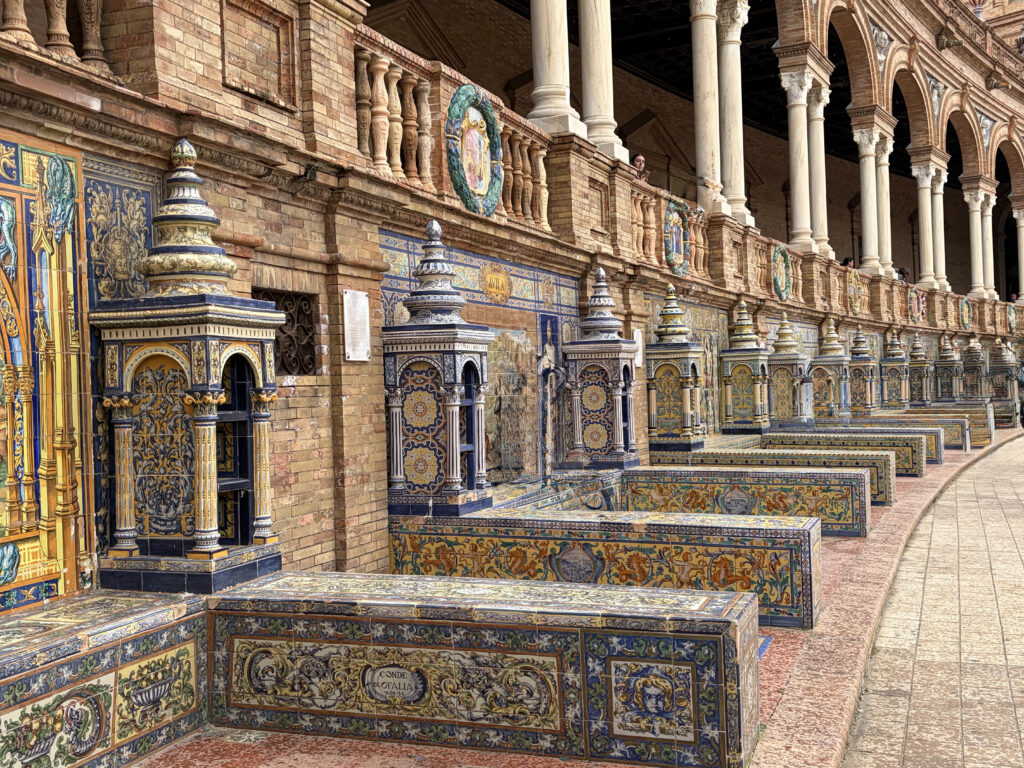
At first it felt almost too perfect. The kind of place that doesn’t really look real—the sweeping half-circle, the tiled alcoves, the water running quietly through the canal. It was built for the 1929 Ibero-American Exposition, meant to show off Spain’s reach and identity at the time, and you can feel that intention in everything. Each little tiled bench represents a different province, like the whole country gathered into one place, frozen in ceramic.
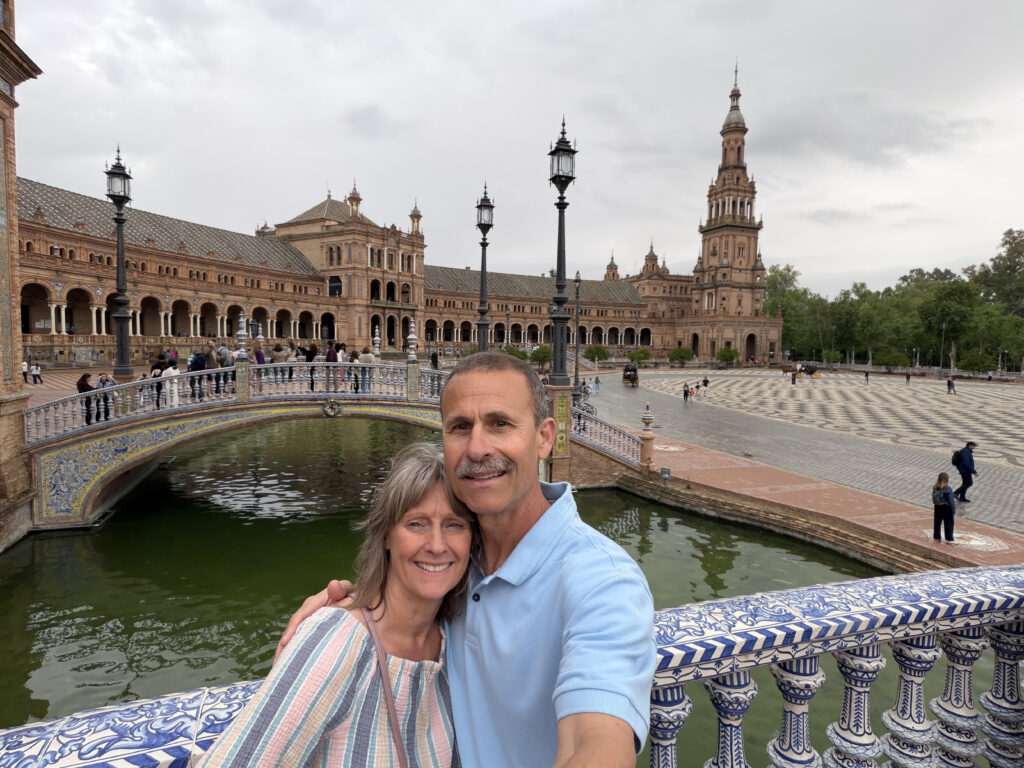
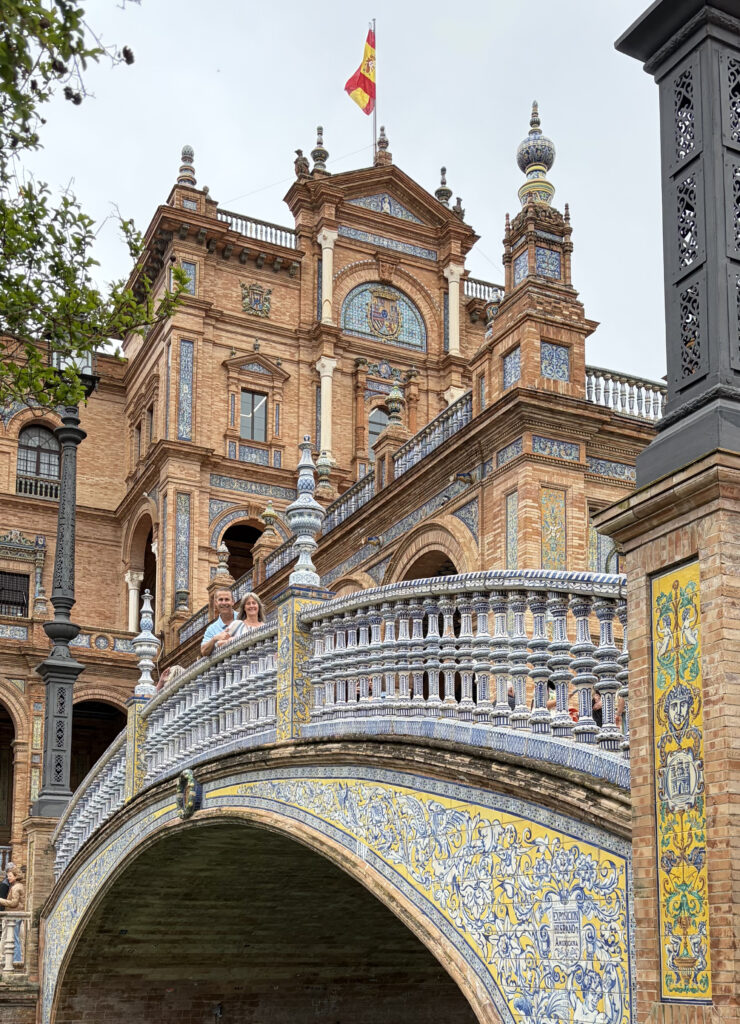
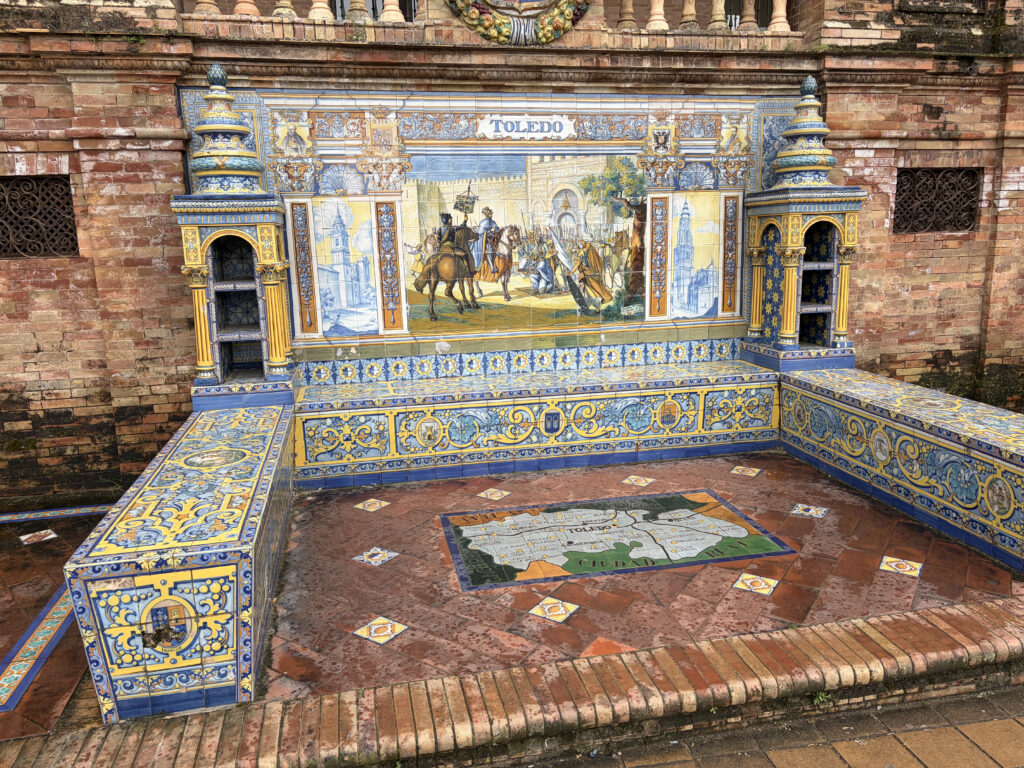
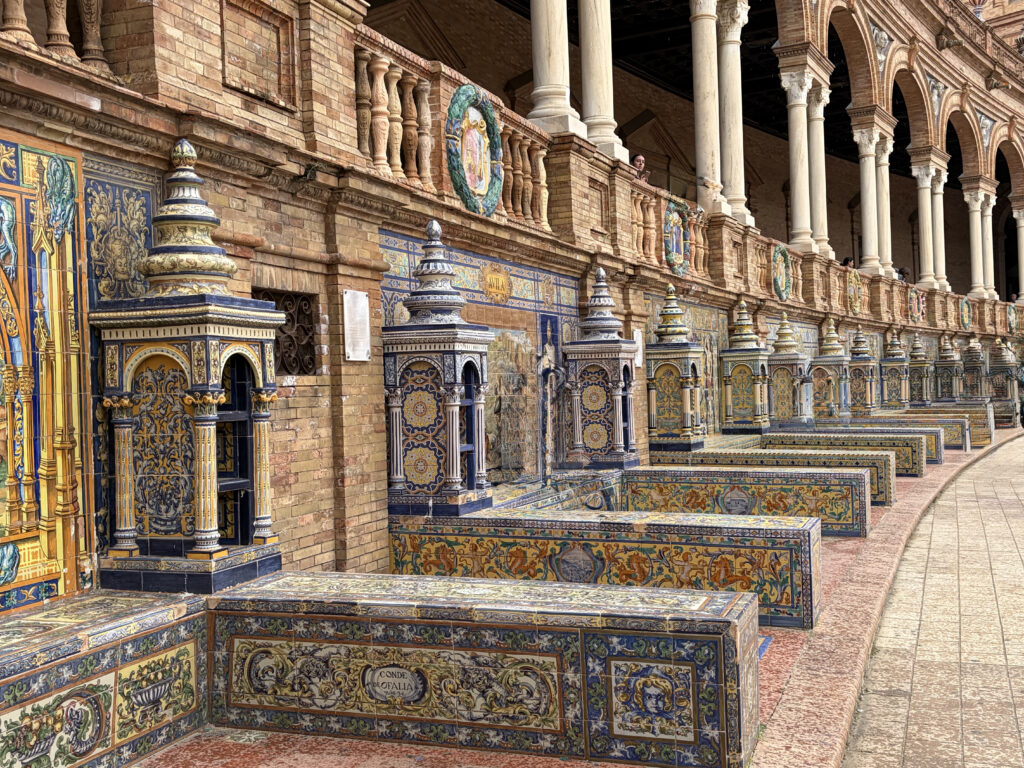
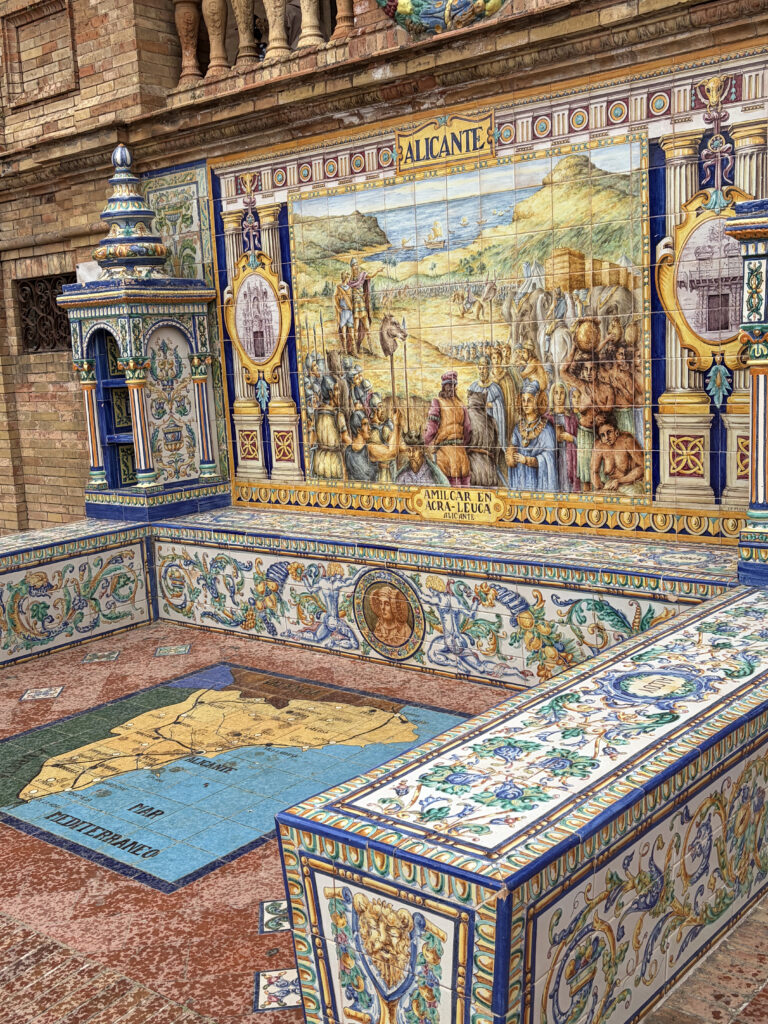
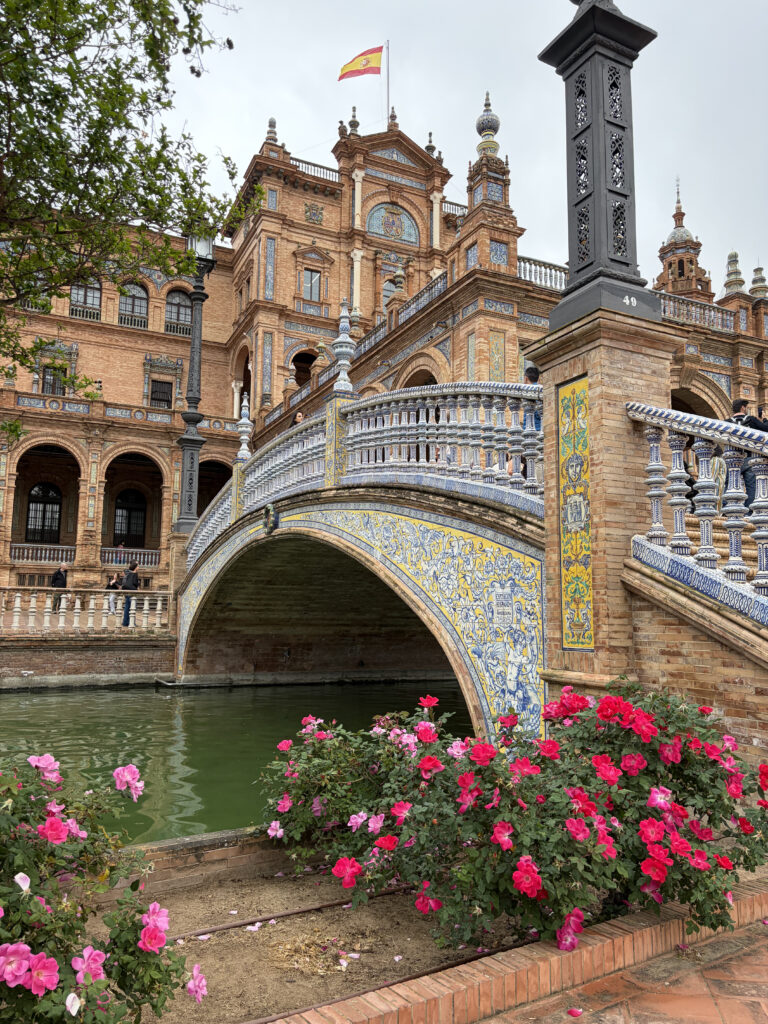
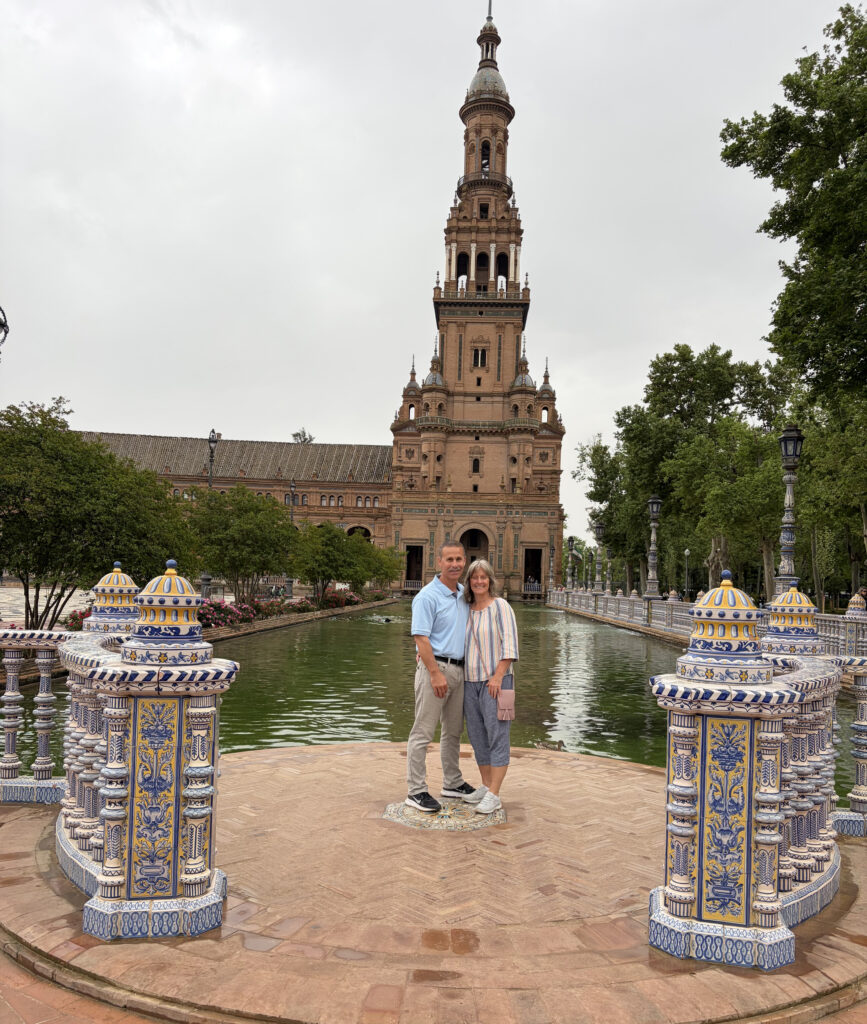
We wandered slowly along those alcoves, stopping here and there, noticing how detailed they are—tiny painted scenes of history, maps, bursts of color that feel almost too intricate for something meant to sit outdoors. It’s grand, but also oddly intimate when you get close to it.
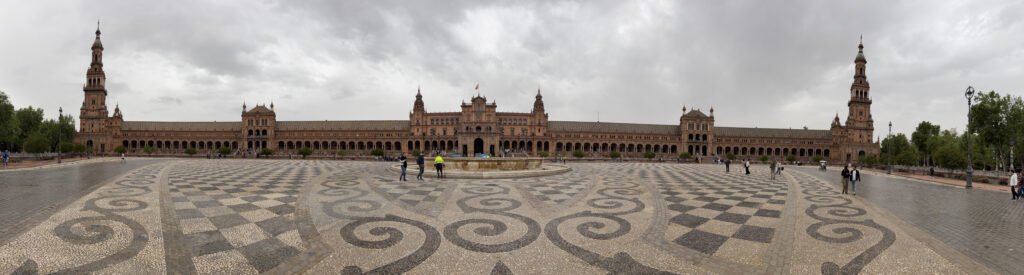
And then the sky shifted.
It wasn’t dramatic at first—just a slight dimming, like someone turned the brightness down. A few drops, then more, and suddenly we were ducking under one of the arches with everyone else who had the same idea. The whole plaza changed in a matter of minutes.
The tiles got darker, richer. The ground turned reflective, doubling everything—the bridges, the towers, the curved façade—so it felt like we were standing inside two plazas at once. Even the sound changed. The usual chatter softened, replaced by rain hitting stone and water.
It made the place feel less like a stage and more like something lived in.
There’s something fitting about that, too. A place built to present a polished version of Spain, suddenly interrupted by something unplanned and real. We just stood there for a while, watching it pass, not really in a hurry to leave.
Honestly, it might’ve been the best version of the plaza we could’ve seen.
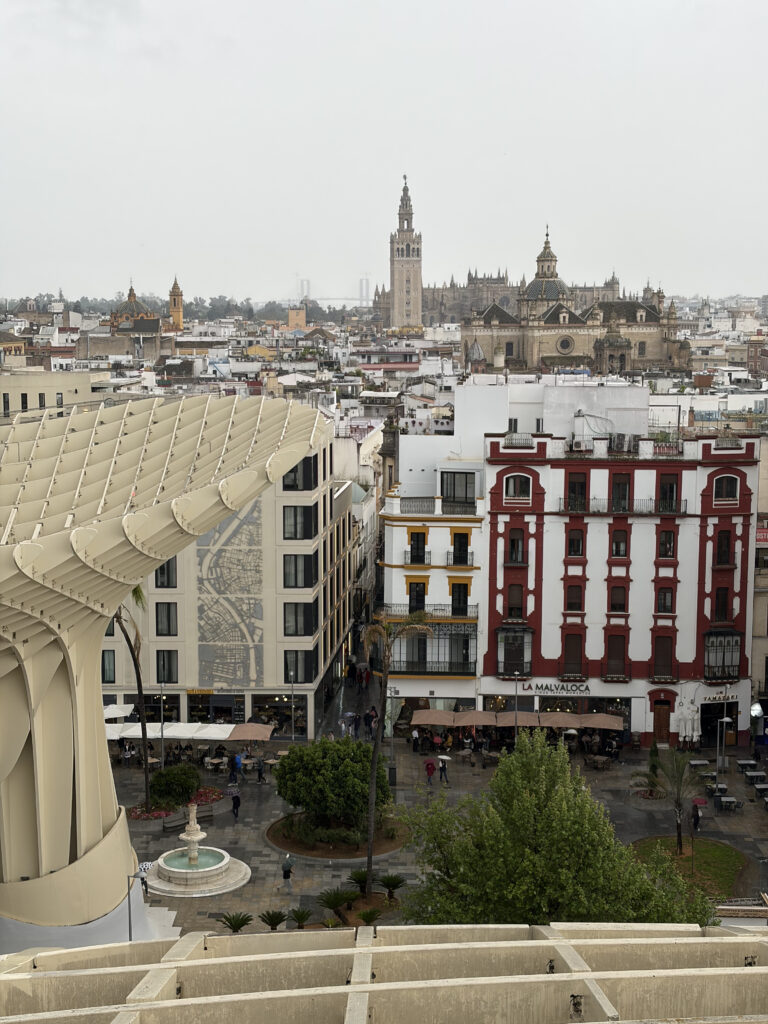
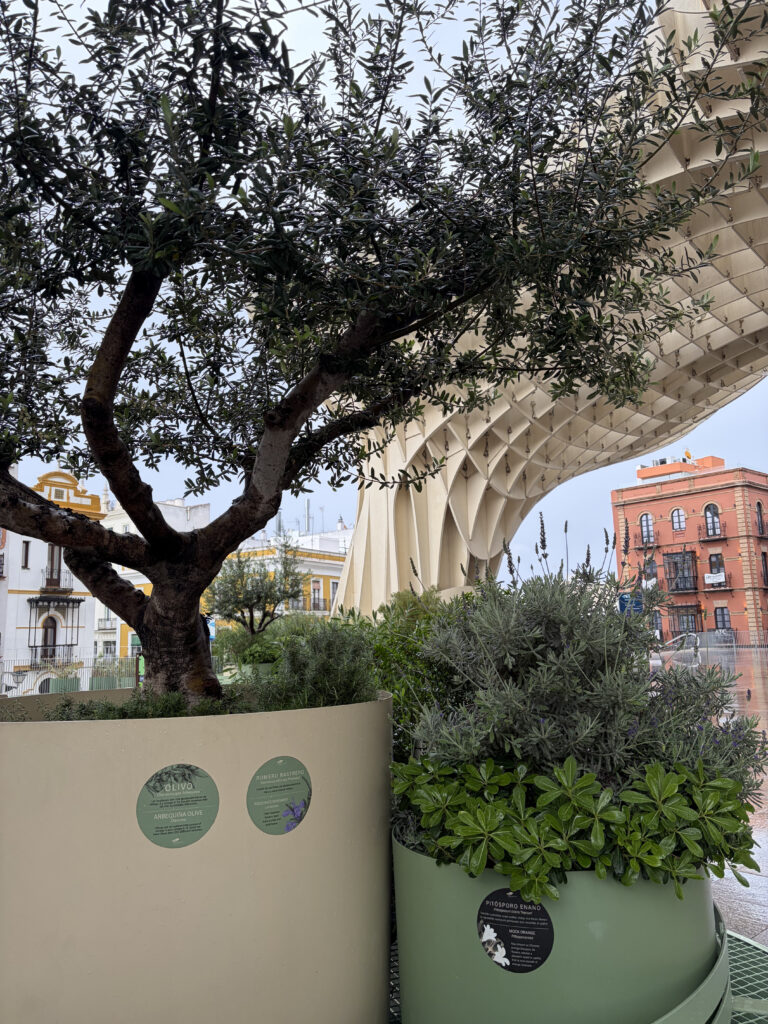
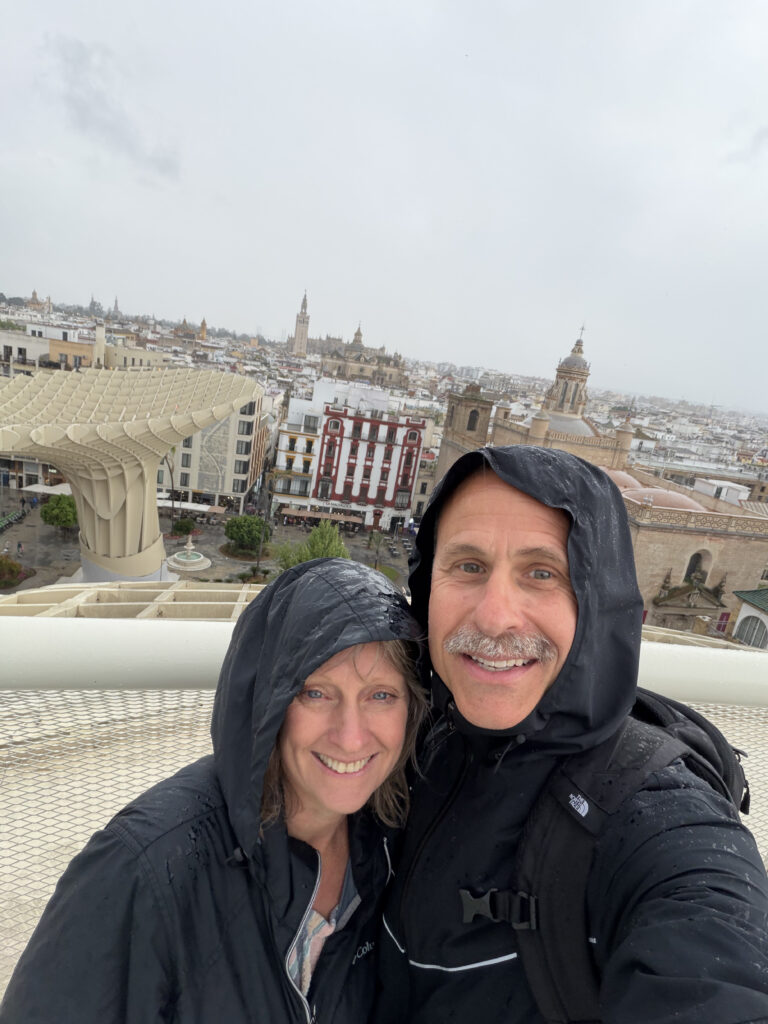
By sunset, we were up at Metropol Parasol—the “mushrooms,” which still feel slightly unreal even when you’re standing on them.
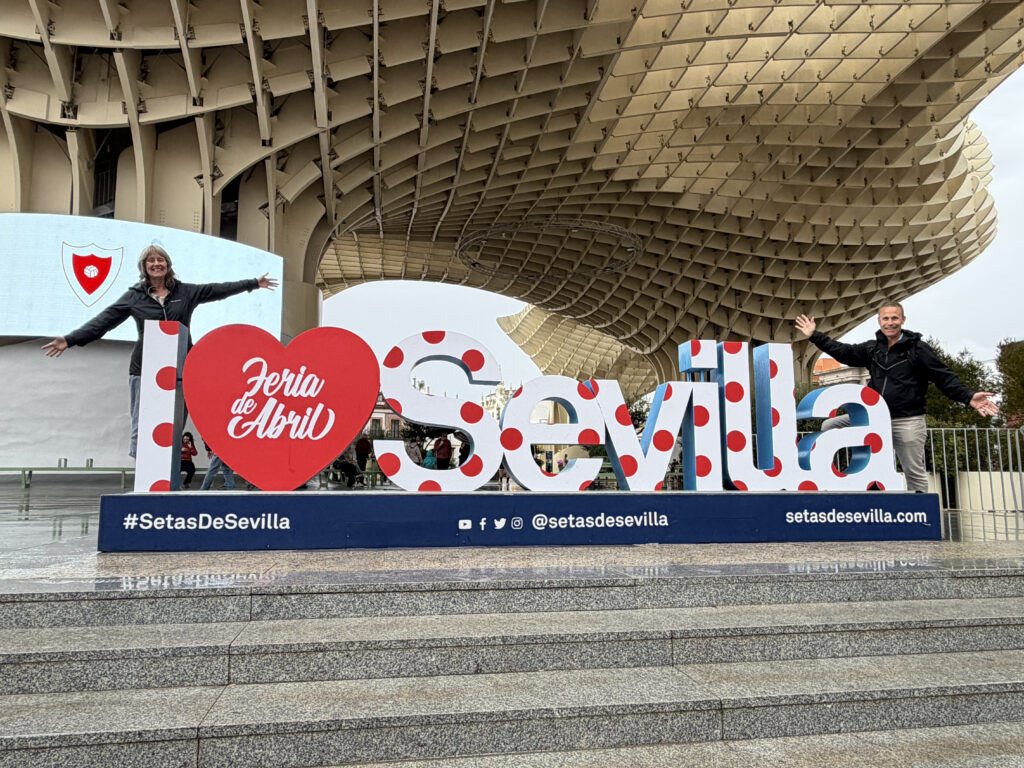
It’s one of the newest landmarks in the city, built in the 2010s, but underneath are Roman ruins—because of course there are. That’s Seville: nothing is ever just one thing.
From the top, the whole city flattens into warm tones and soft edges. Church towers, rooftops, the fading light catching everything at once. It felt like the kind of ending you don’t plan, but somehow land on anyway.
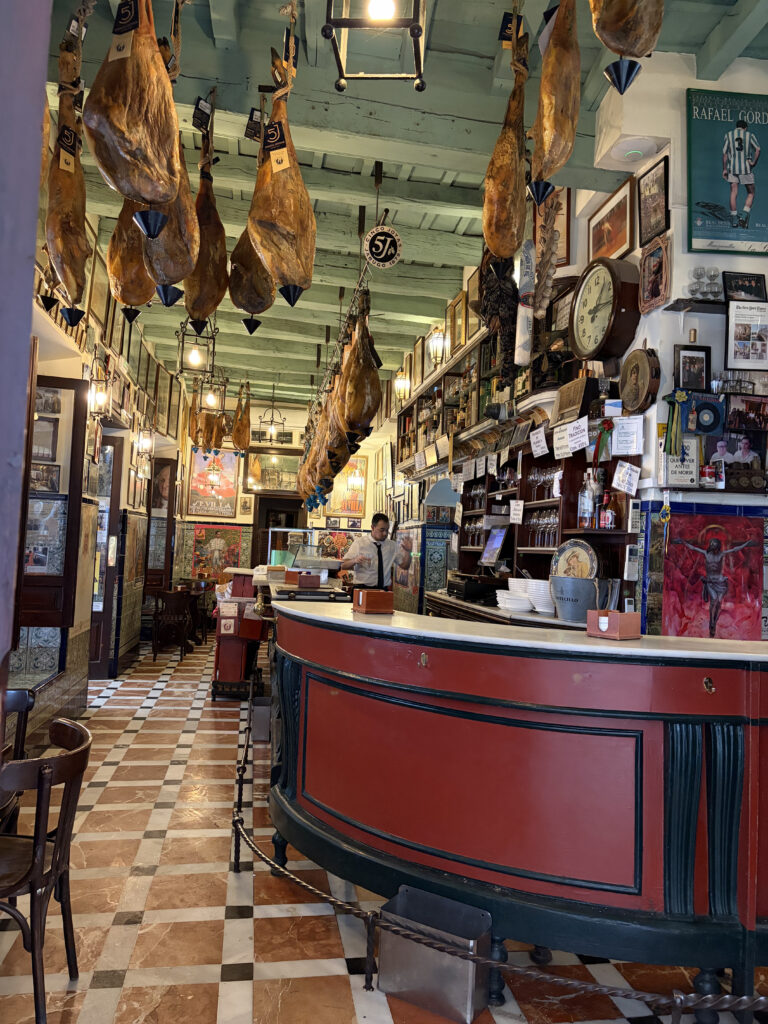
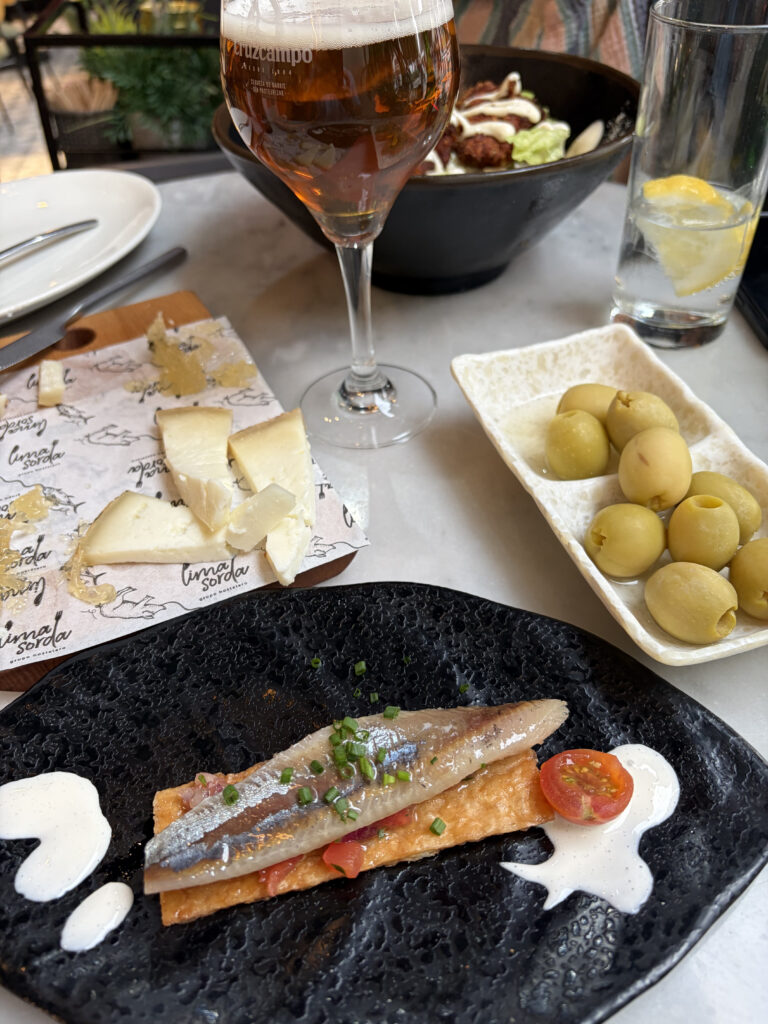
Tapas after that—no rush, just letting the day stretch a little longer.