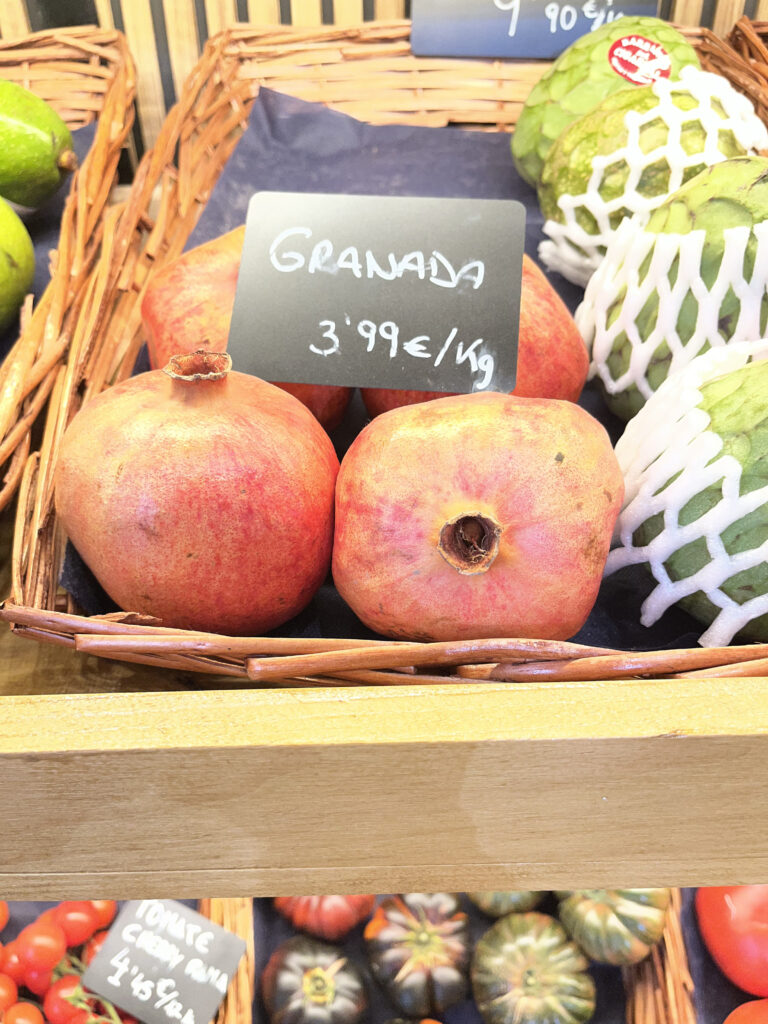
We were already a little behind when we rolled out of Granada—8:45, coffee barely settled, the morning still cool in that way that doesn’t last long in southern Spain. The road started to curl almost immediately, olive groves giving way to something rougher, rockier, like the land was slowly pulling itself upward toward Ronda.
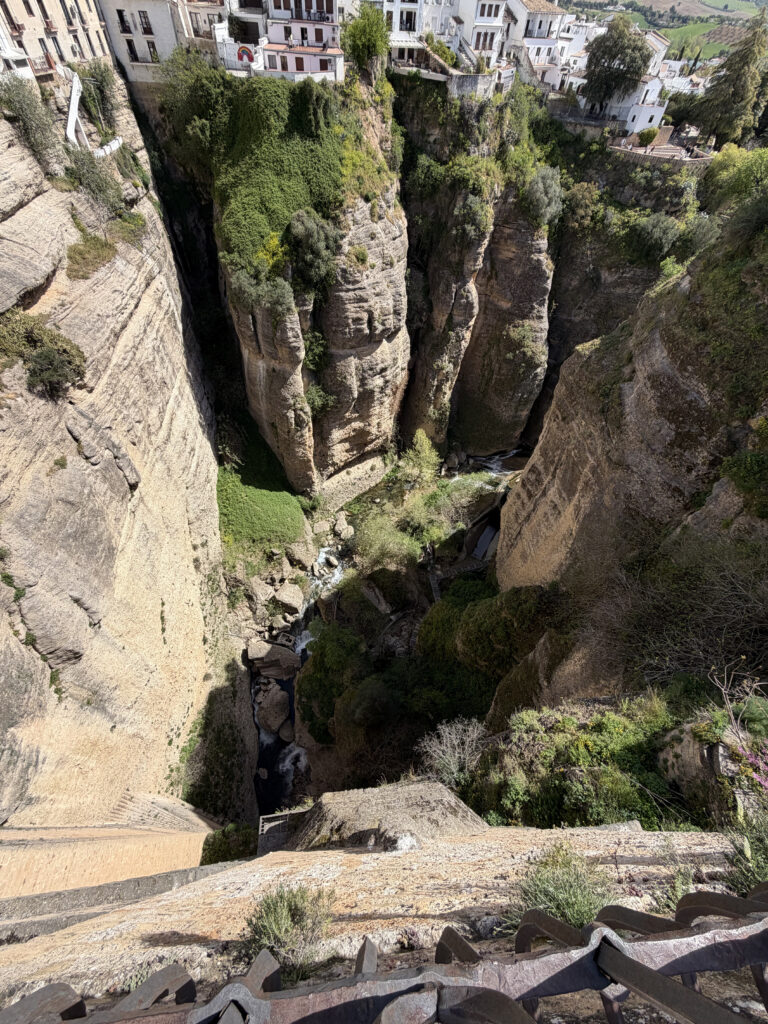
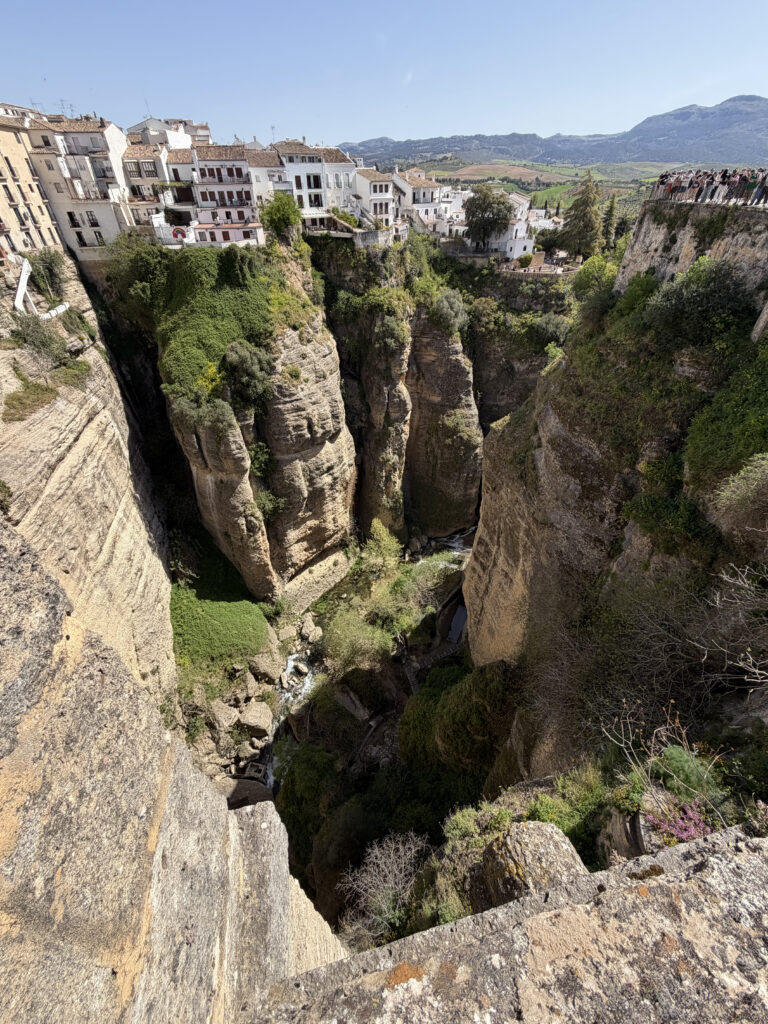
By the time we arrived, it didn’t feel like a town you ease into—it just sort of appears, split dramatically by that impossible gorge. You turn a corner and suddenly there it is: the Puente Nuevo, stretching across the void like it has no business being that calm about it.
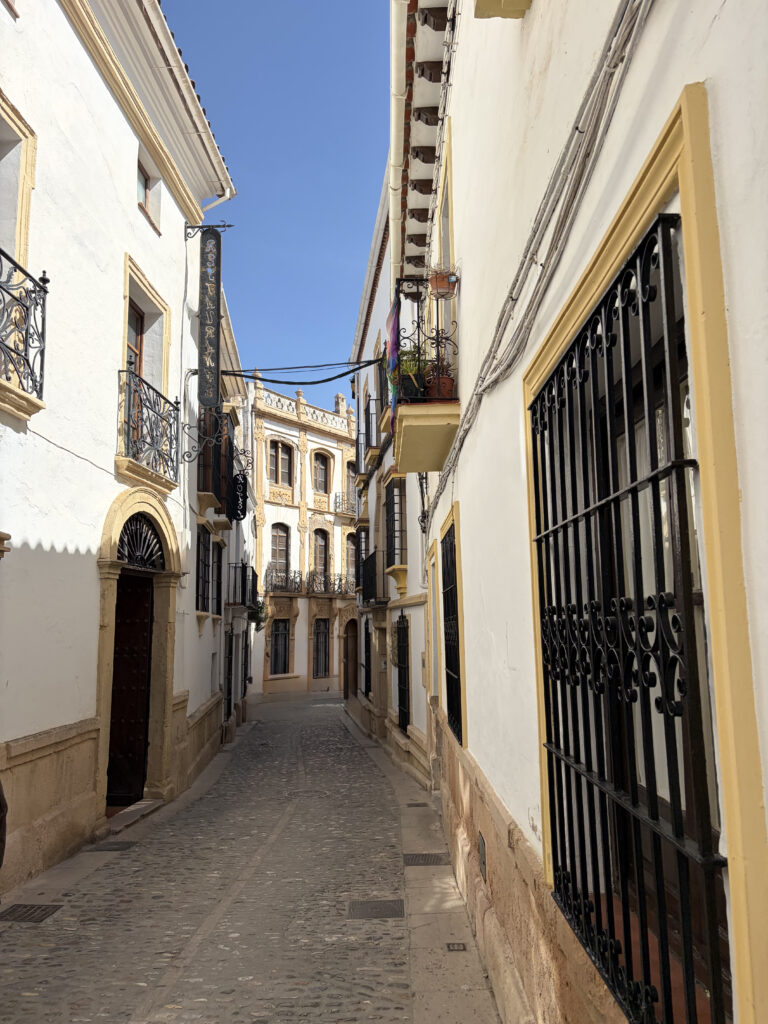
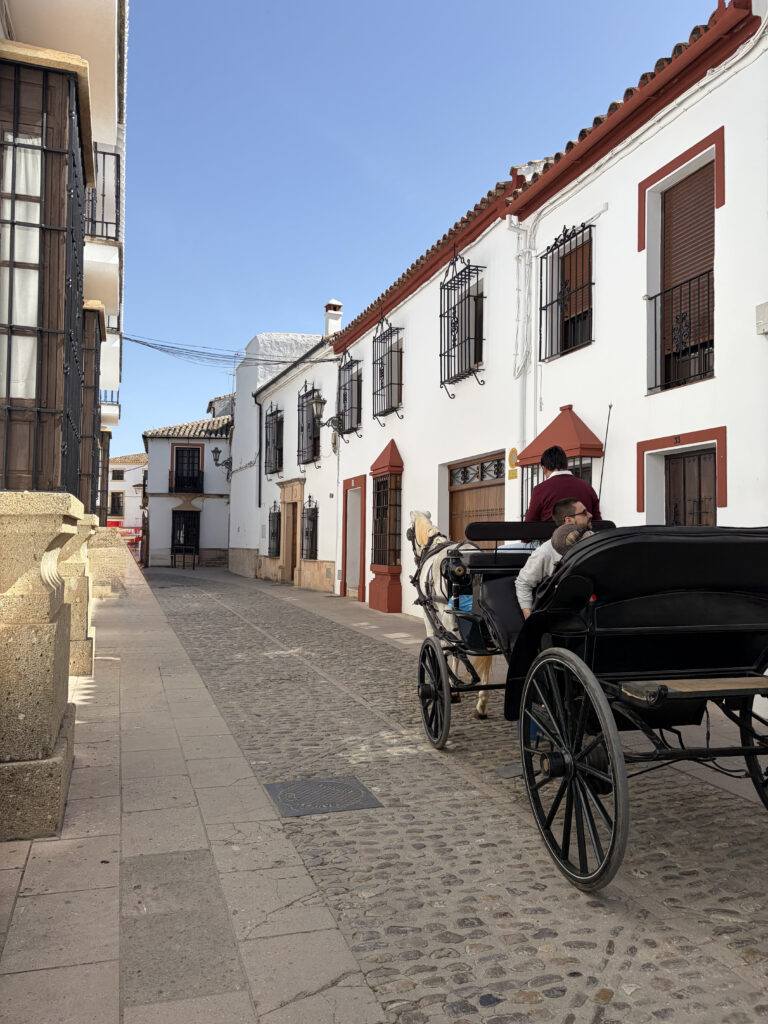
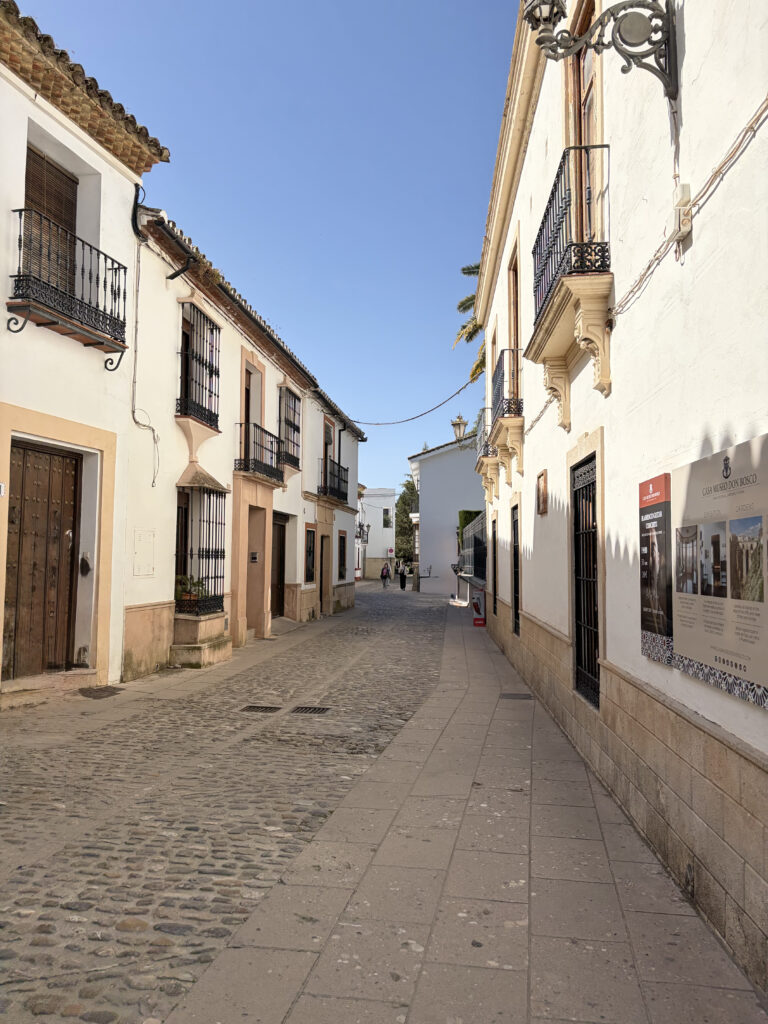
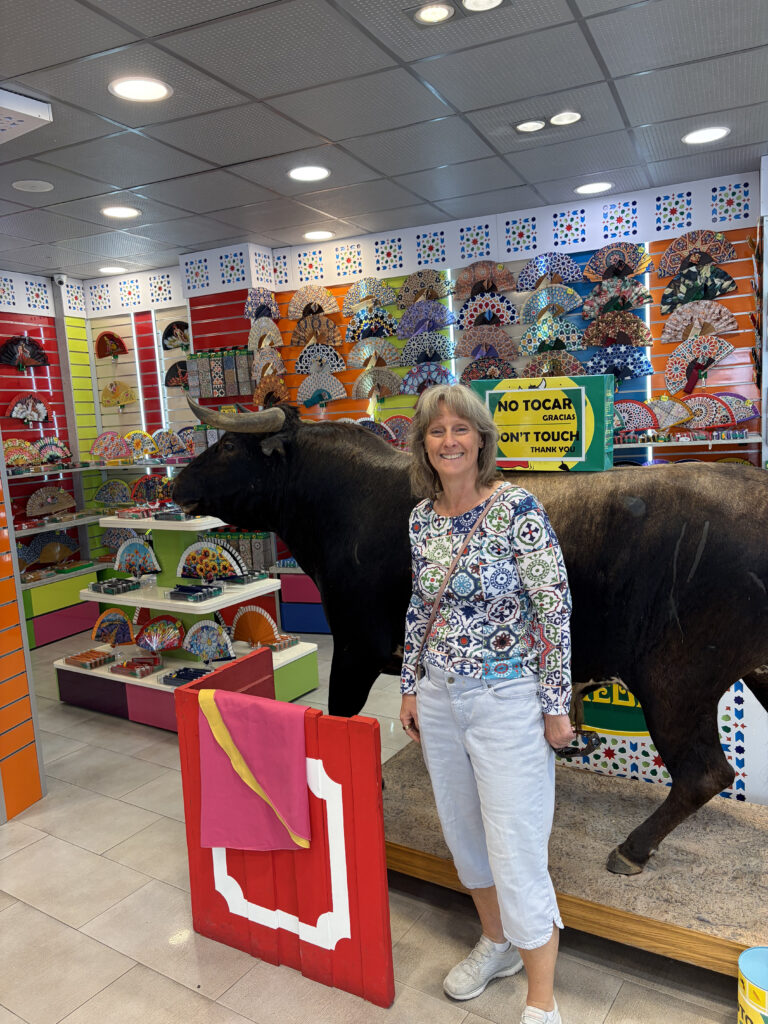
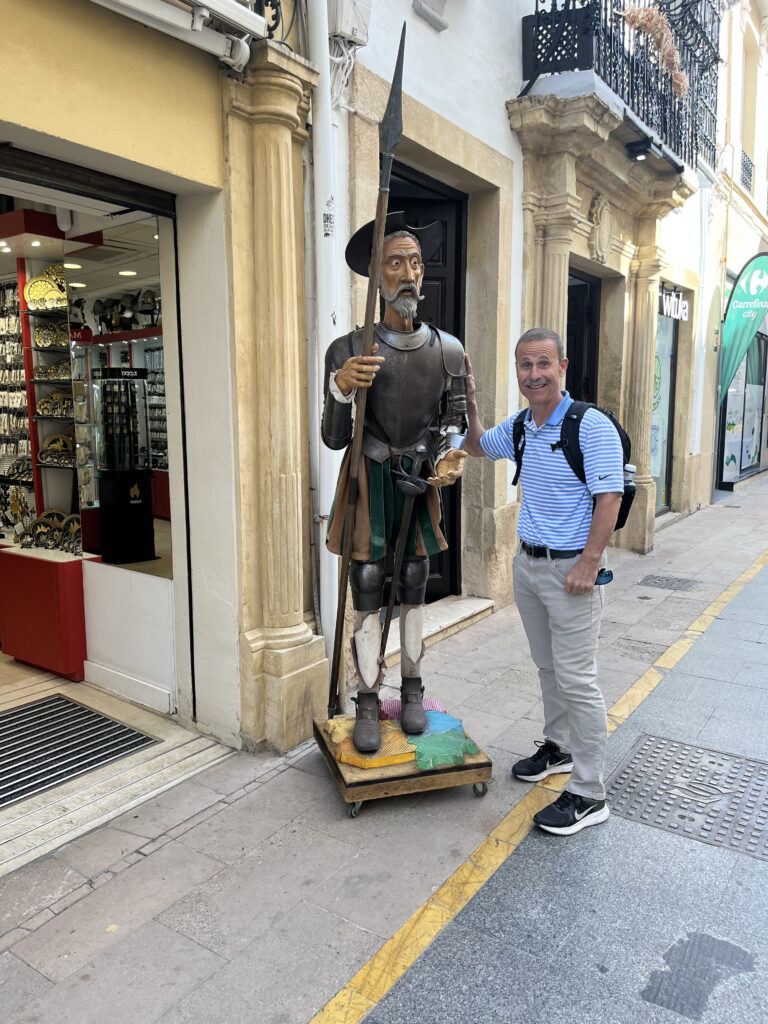
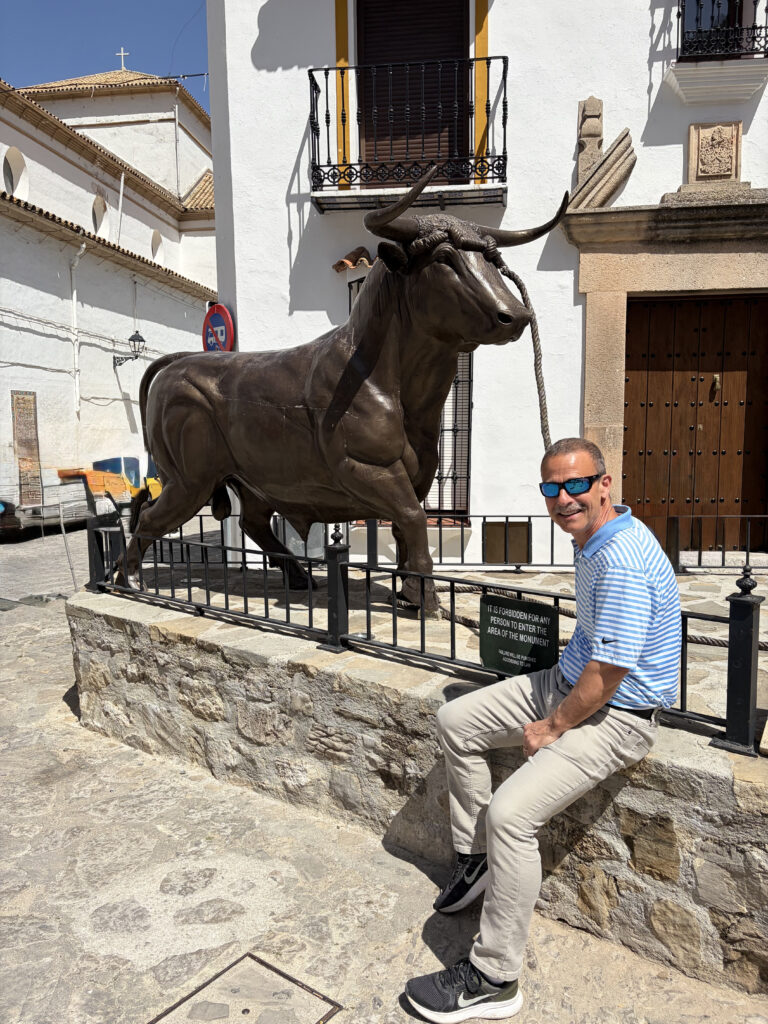
We wandered without much of a plan, just following narrow stone streets that felt worn in the best way—centuries of footsteps, heat, trade, stories. Ronda has this layered feeling to it, like it remembers everything: Roman roots, Moorish rule, then the Christian reconquest that reshaped it again. Even the bullring—one of the oldest in Spain—sits there like a quiet reminder of how traditions here run deep, whether you agree with them or not.
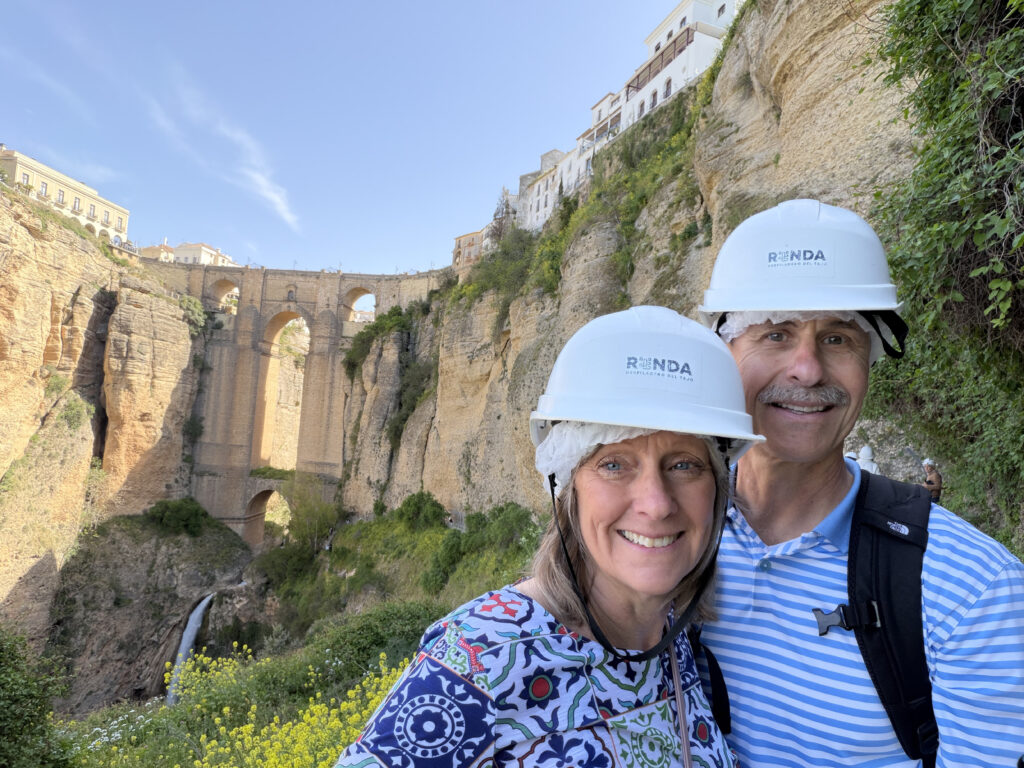
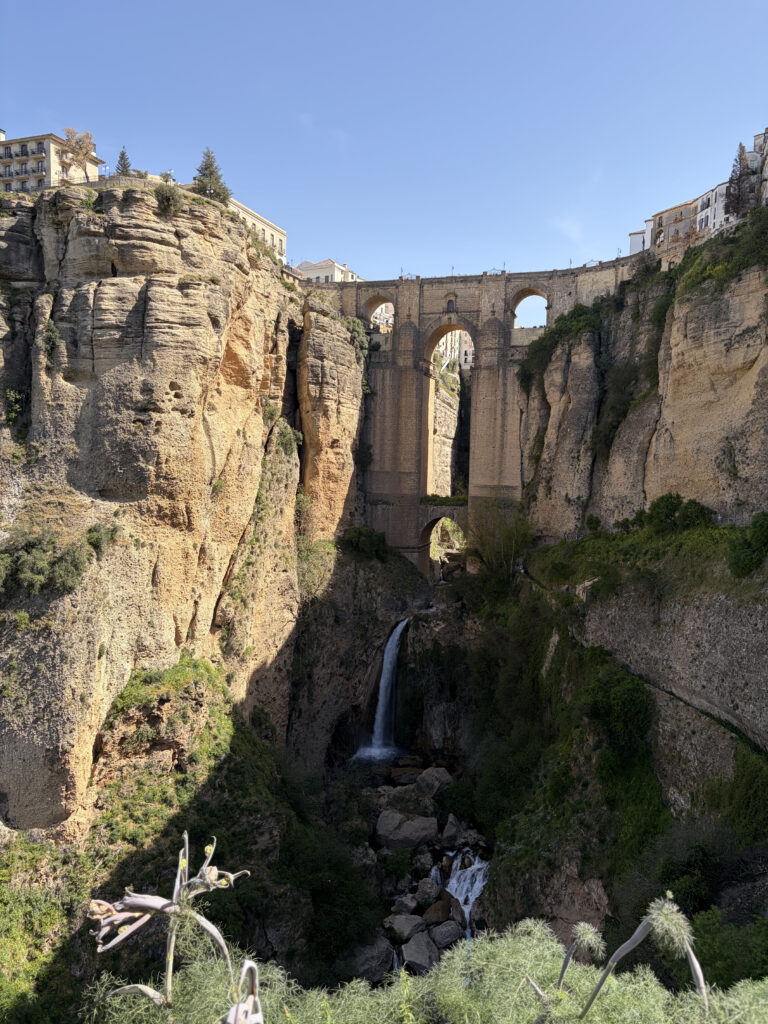
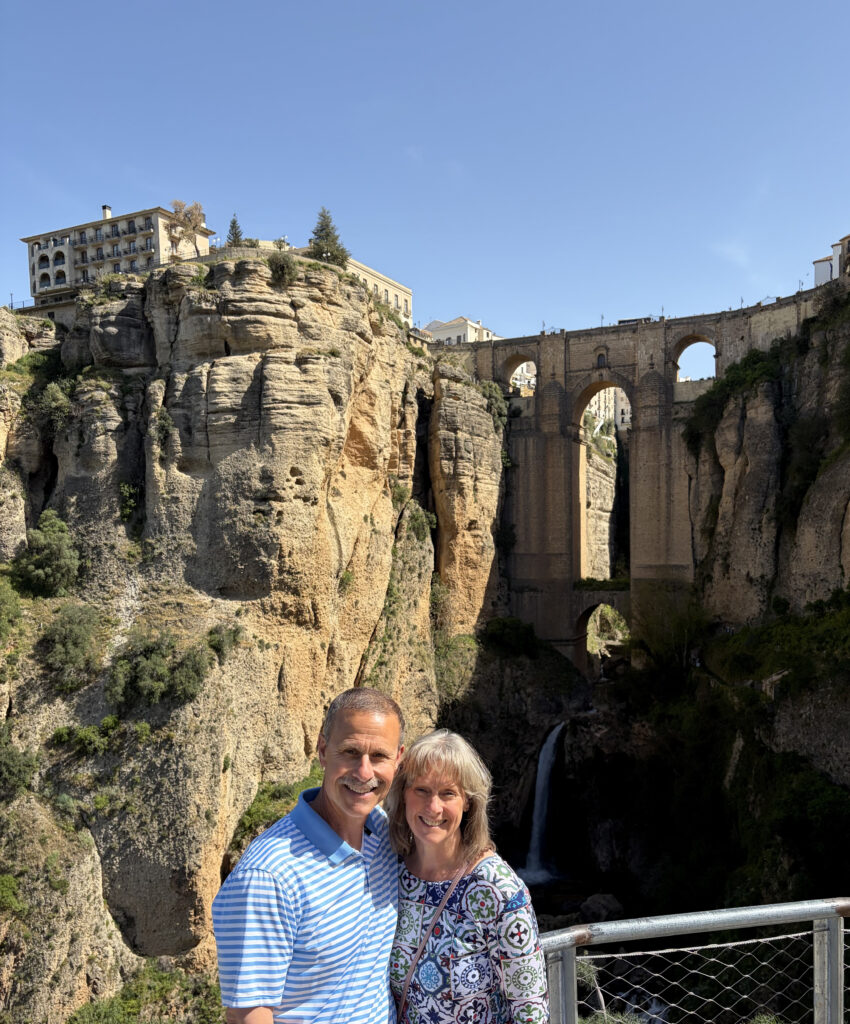
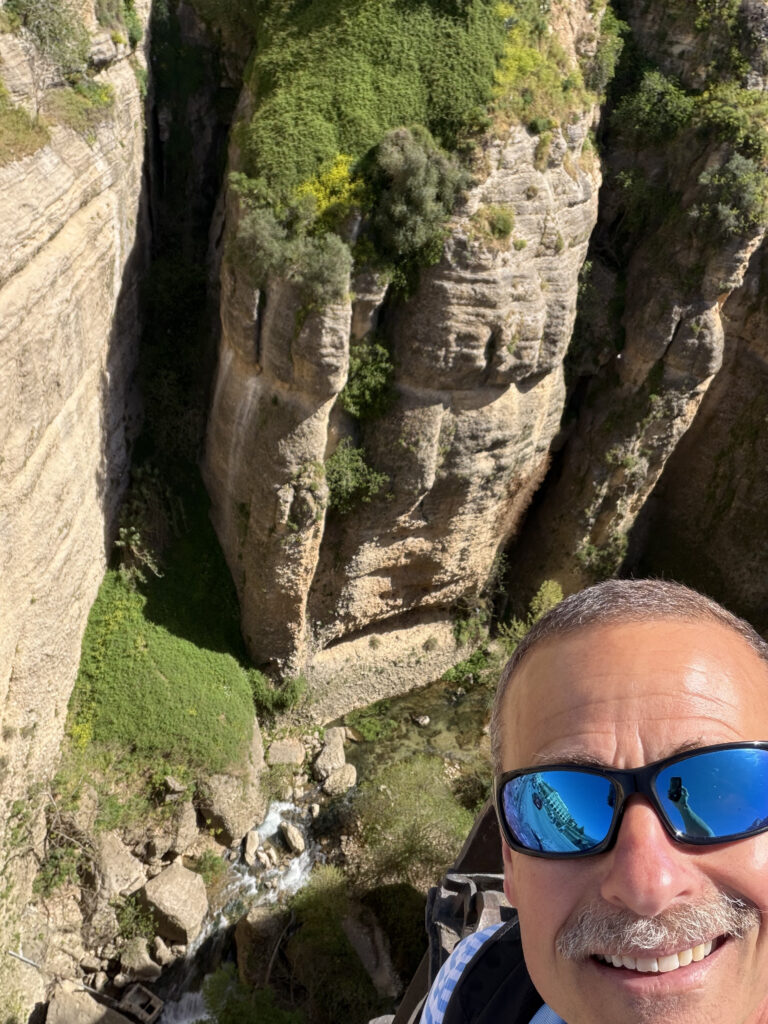
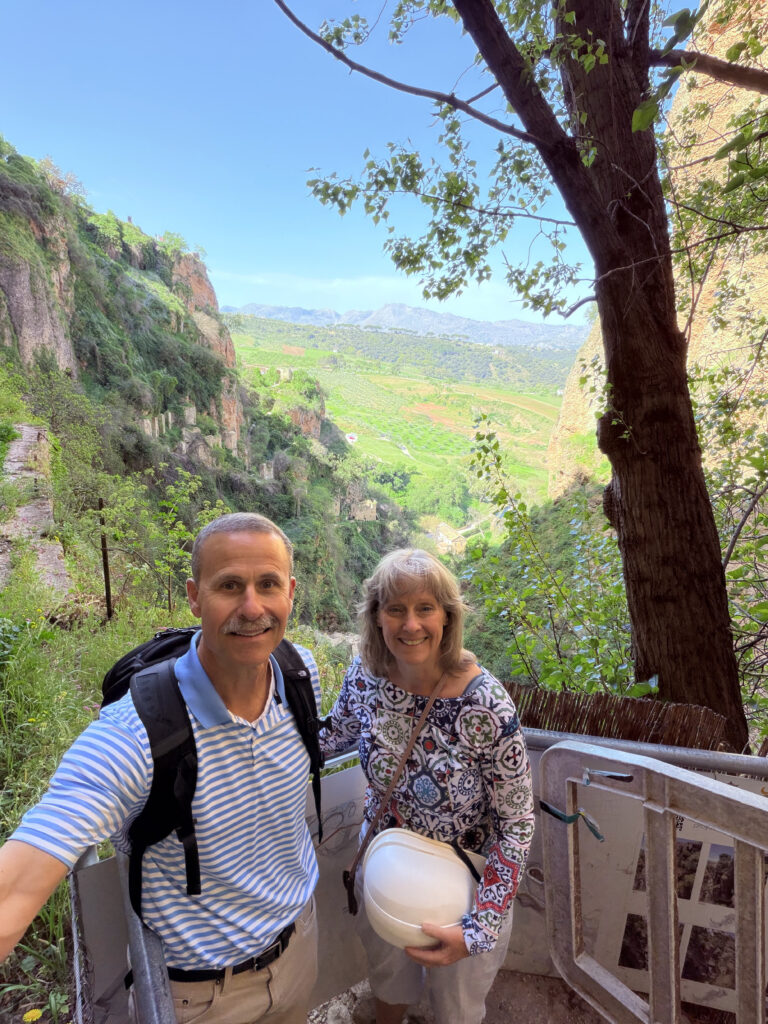
Eventually we made our way down, legs working a bit harder now, toward the miradors below. From underneath, the bridge is even more absurd—massive, almost fortress-like, built in the 18th century after an earlier version collapsed and took dozens of people with it. You can still feel that weight when you stand there, looking up at it from the base of the gorge, the stone glowing warm against the sky.
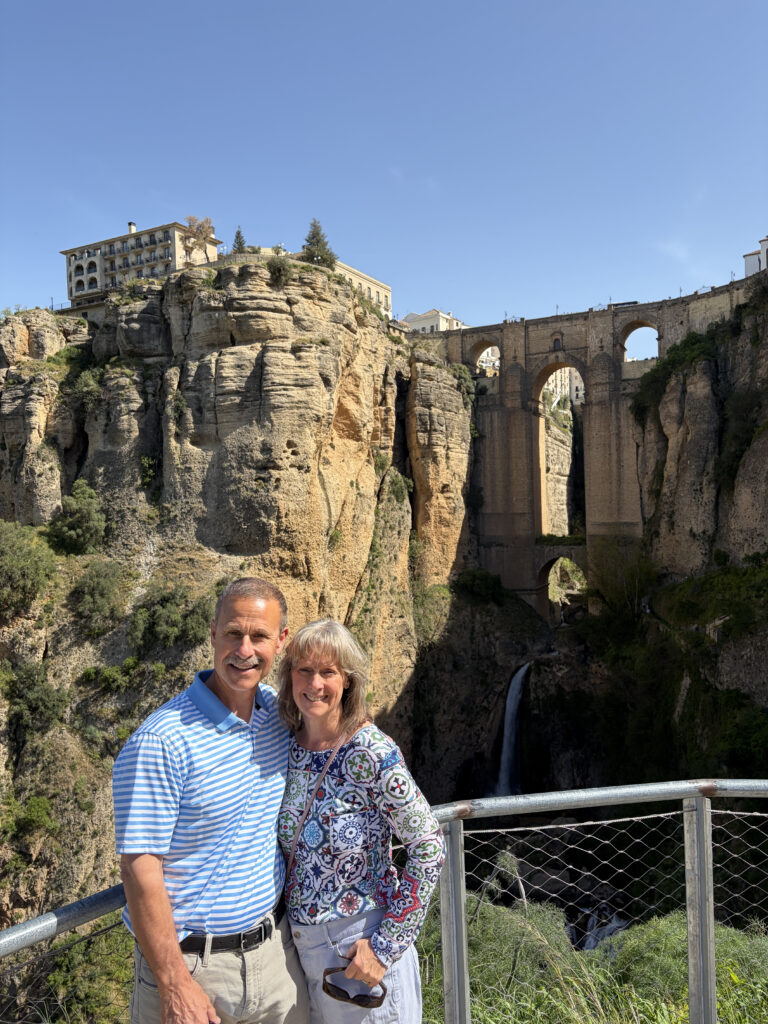
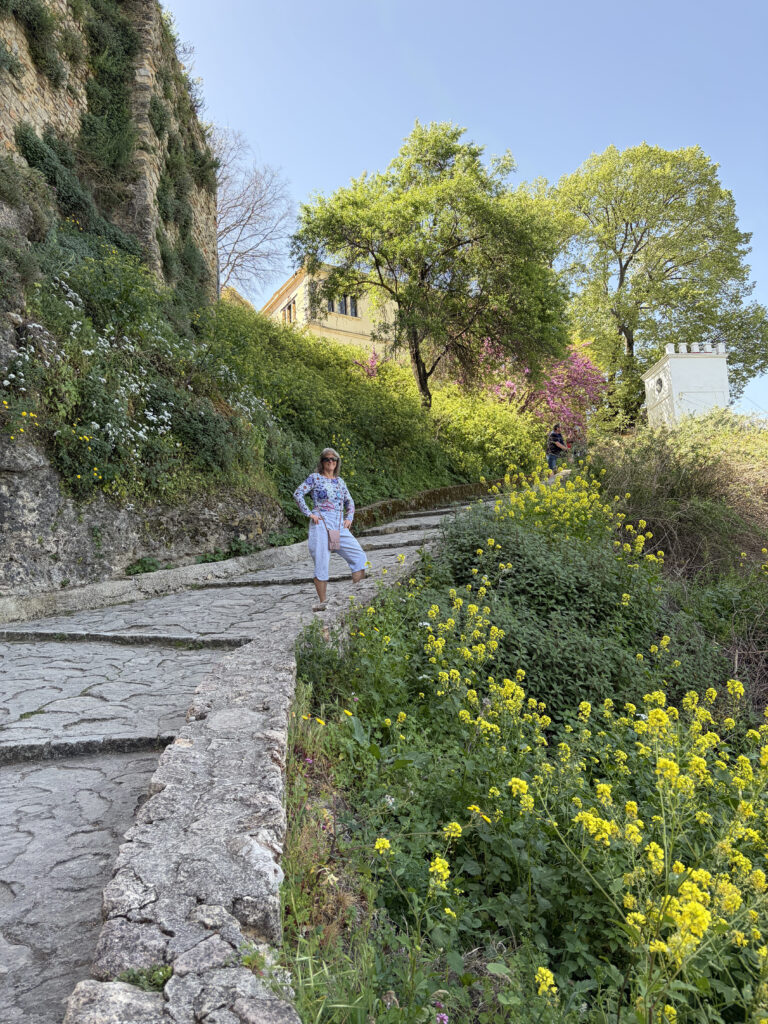
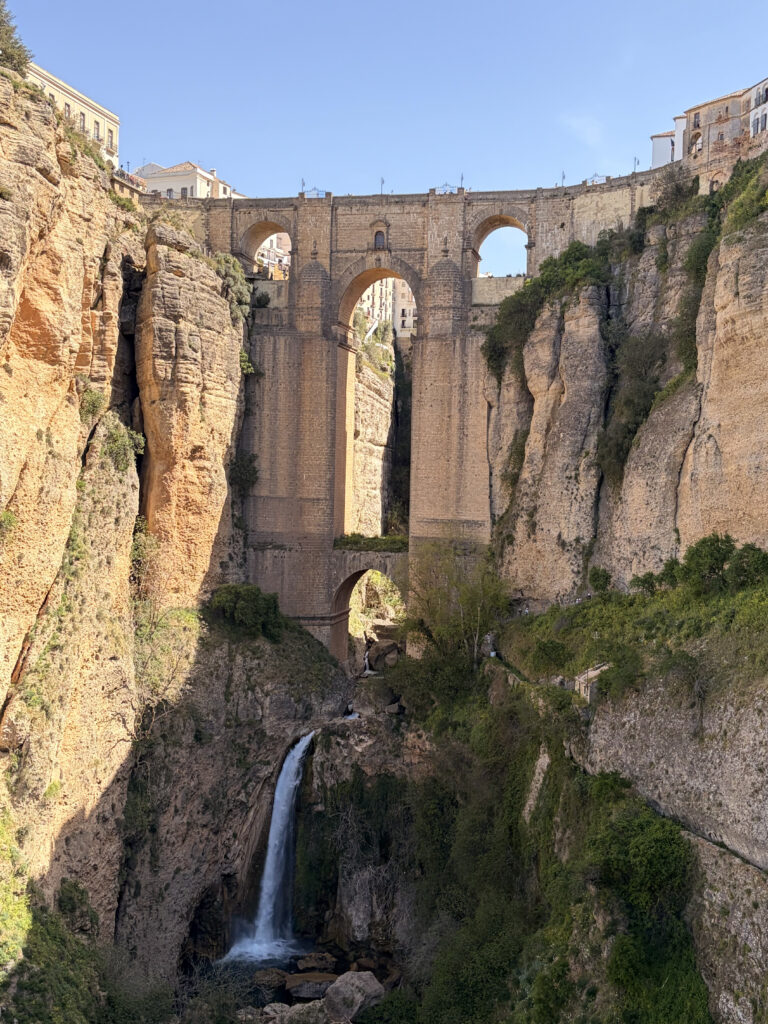
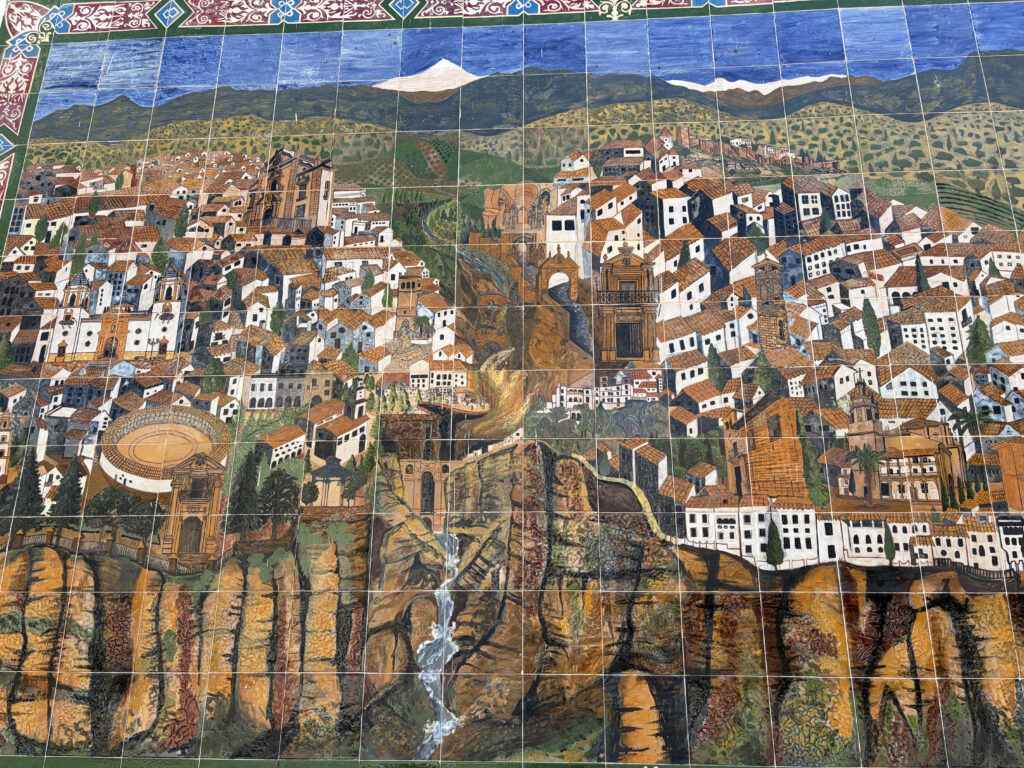
Later, back up in town, things shifted back into that easy rhythm—narrow streets, balconies, a mix of locals and travelers moving without much urgency. Ronda has been passed between so many hands—Romans, then Moorish rulers for centuries before it was taken during the Reconquista—and you can feel that layering without needing to know the details. Even the bridge itself was rebuilt in the 1700s after the first version collapsed, which feels… on brand for a place that keeps remaking itself.
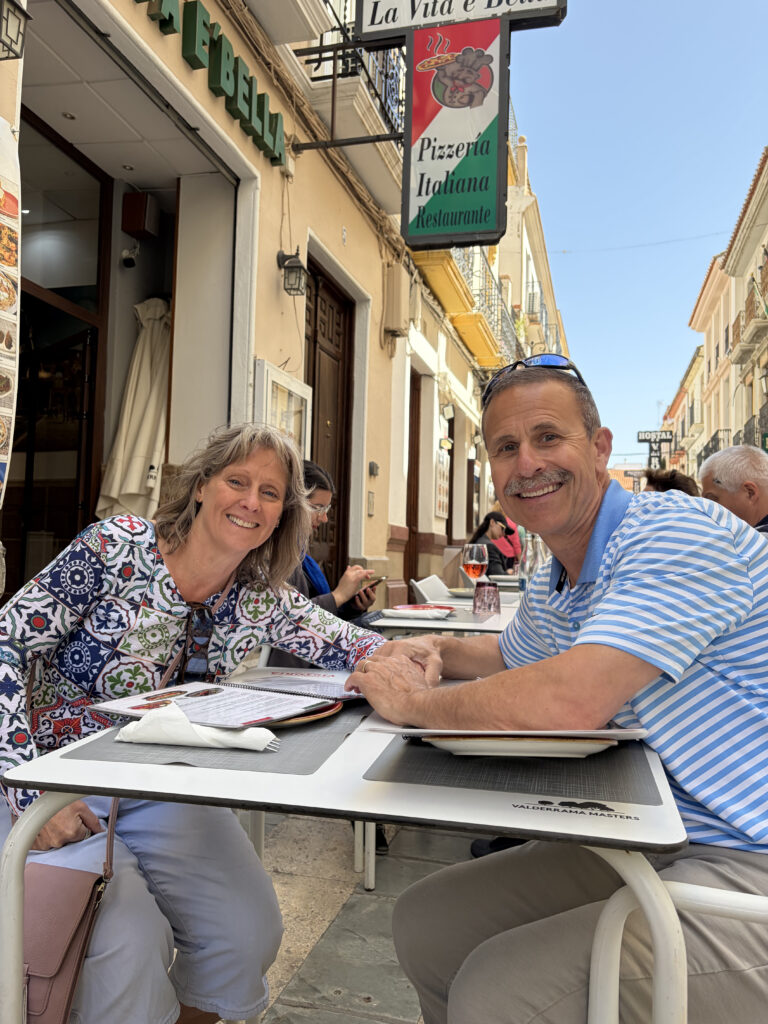
Lunch ended up being one of those accidental wins. A small table tucked along a street not far from the bridge, menus half in Spanish, half in guesswork. You can see it in the photo—the kind of place where you sit a little longer than planned because it just feels right. A drink catching the light, people passing by, no rush to be anywhere else.
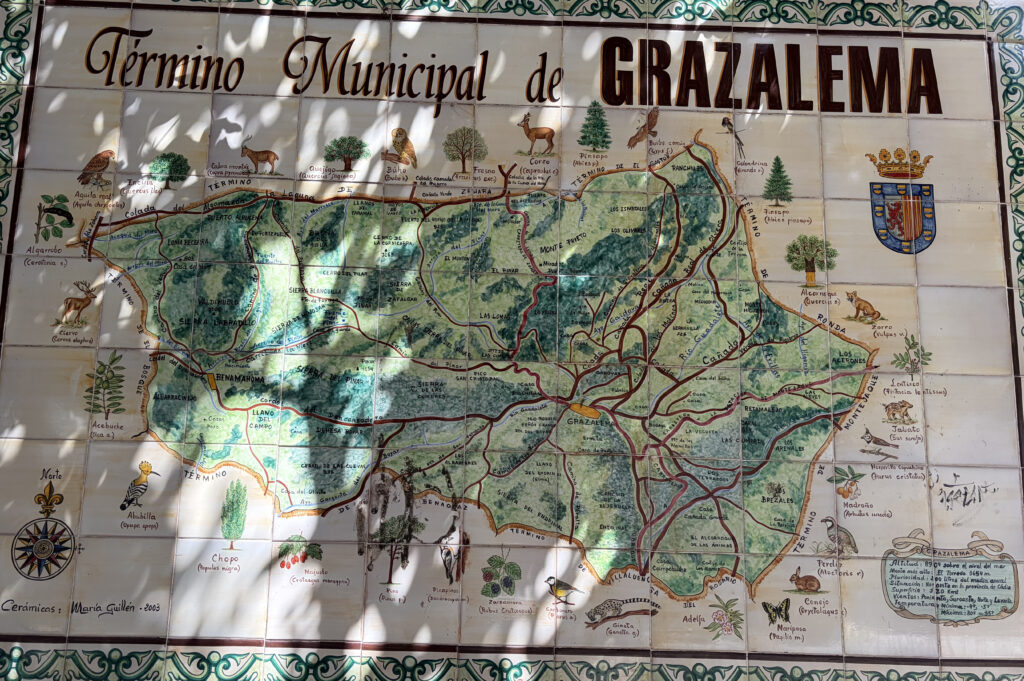
The drive to Grazalema felt like slipping into a different version of Spain. The roads narrowed, the air shifted, and everything turned just a bit greener. It’s strange to think this region actually gets some of the highest rainfall in the country, especially after the dry, golden tones around Ronda.
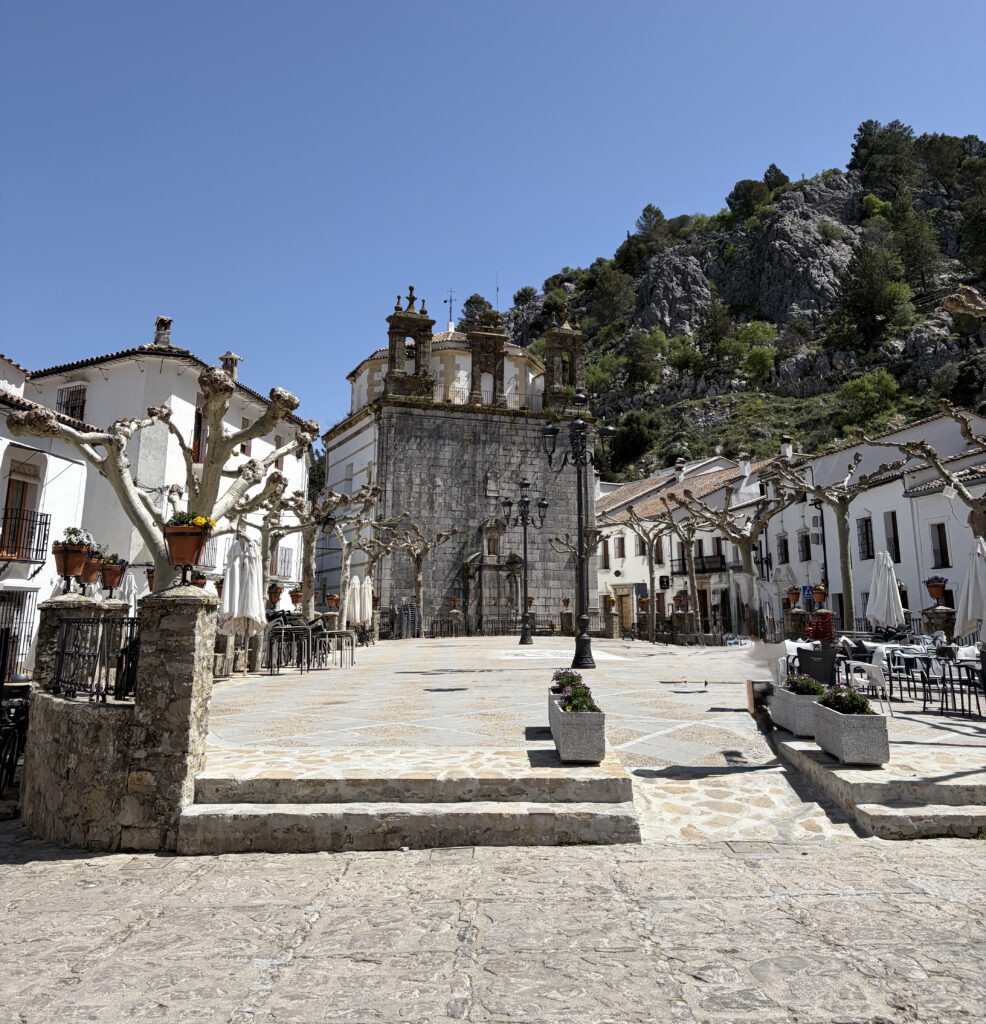
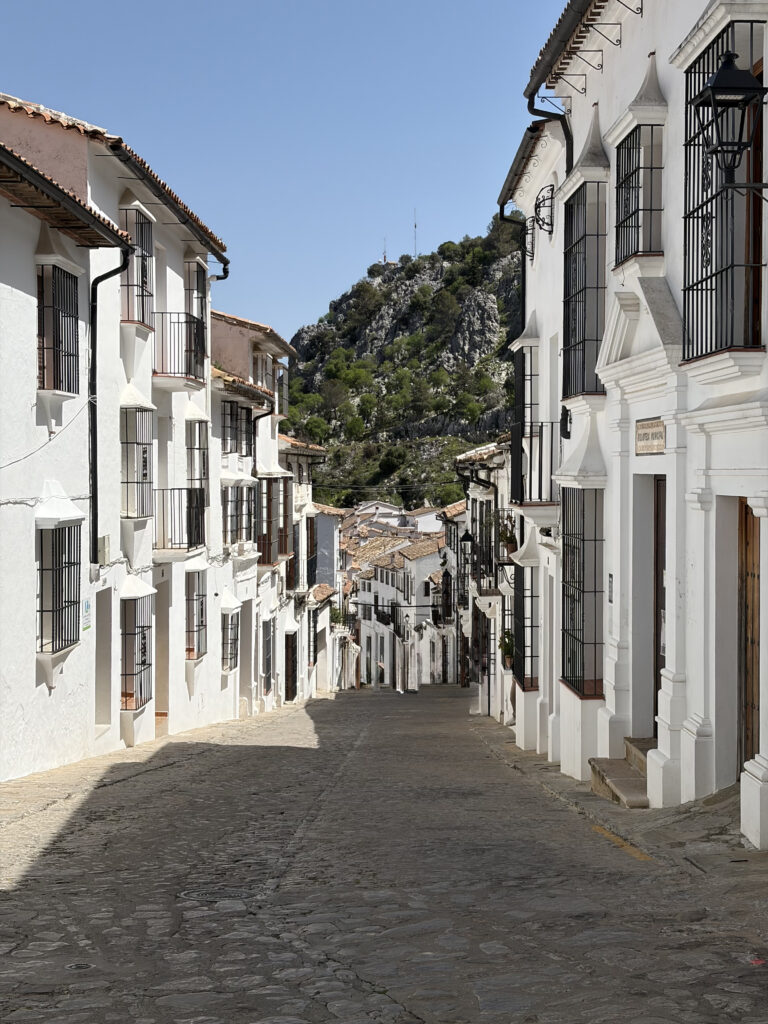
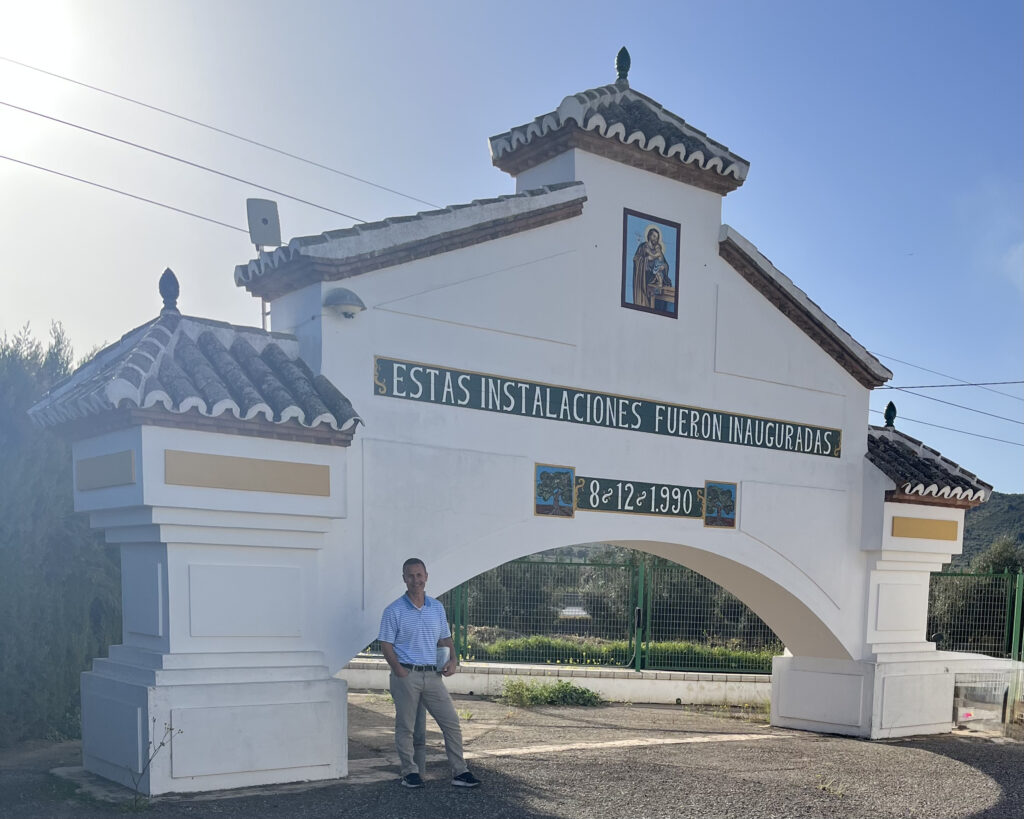
You passed under that small white arch at the edge of town—the one marking its inauguration in 1990—and it felt like entering somewhere that didn’t need to prove anything. Just quiet streets, whitewashed walls, and the occasional sound of someone moving behind a half-open window.
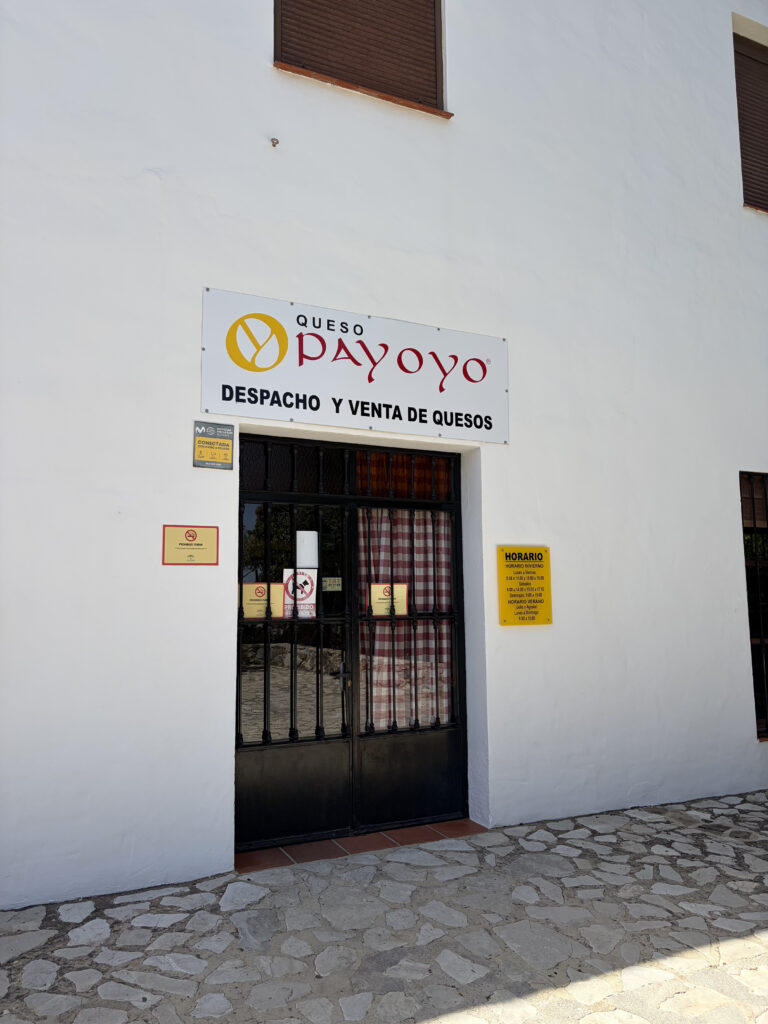
The cheese shop was exactly what you hope for but don’t expect to find. No big signs, just the smell pulling you in. Inside, it felt part shop, part working space—because it was. Queso payoyo being made right there, using milk from local Payoya goats and sheep that are native to these mountains. For a while, those goats almost disappeared, but the region brought them back, and now the cheese carries that story with it. You could taste it—something richer, a little more grounded.
Of course we bought some. More than we needed.
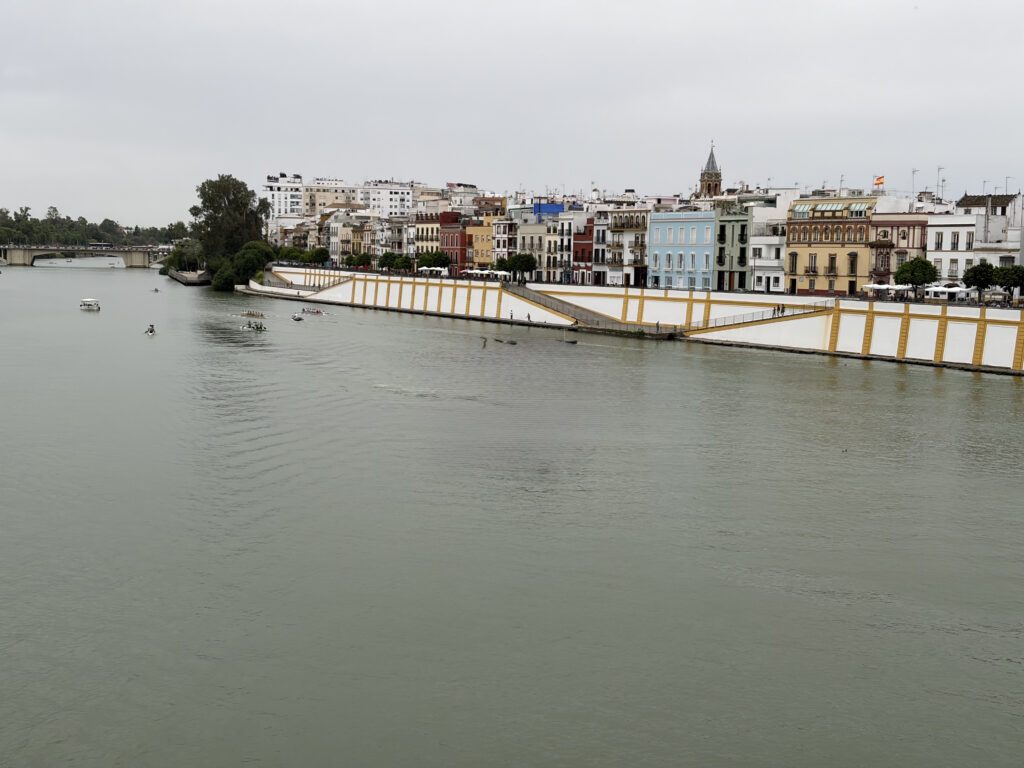
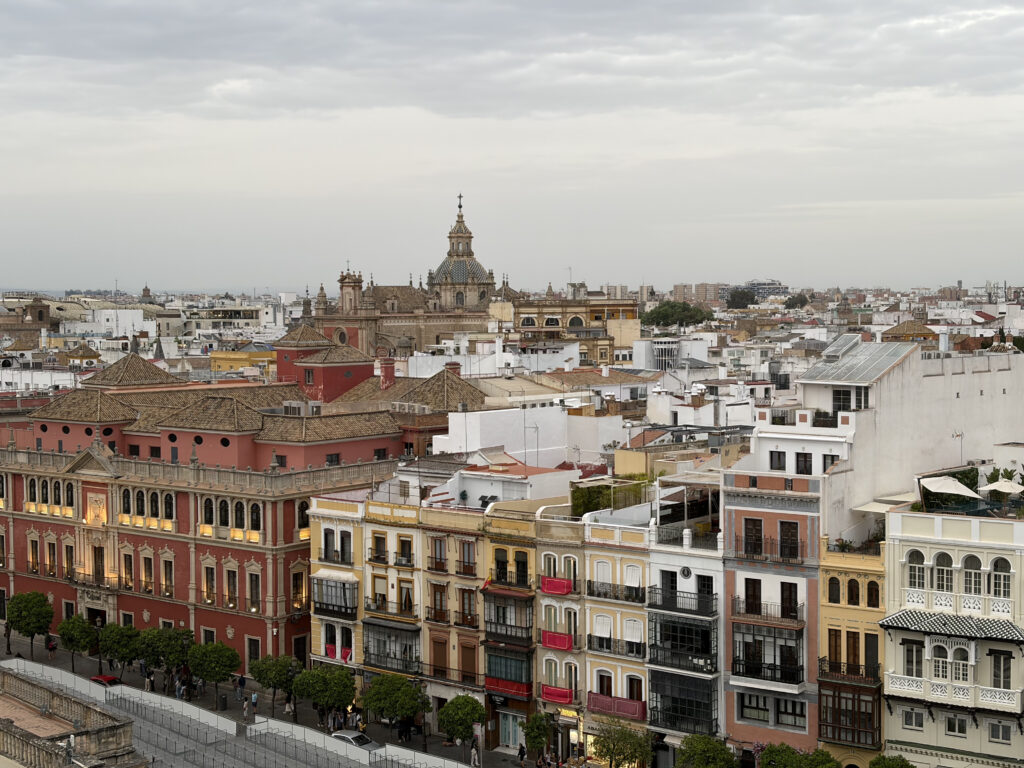
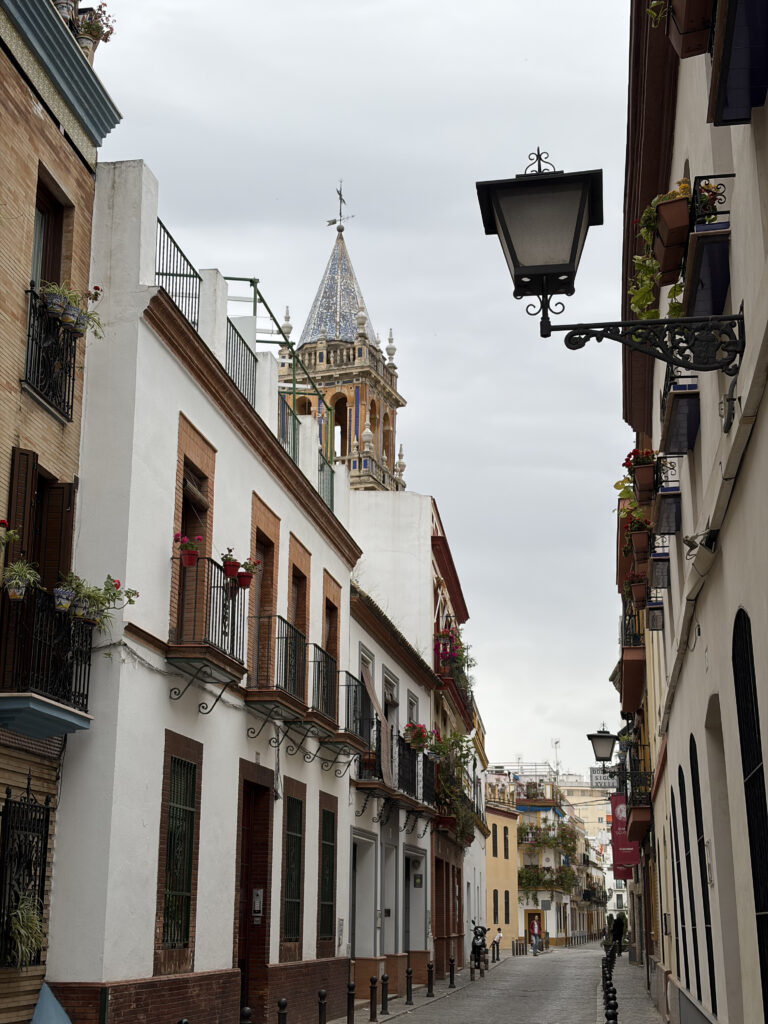
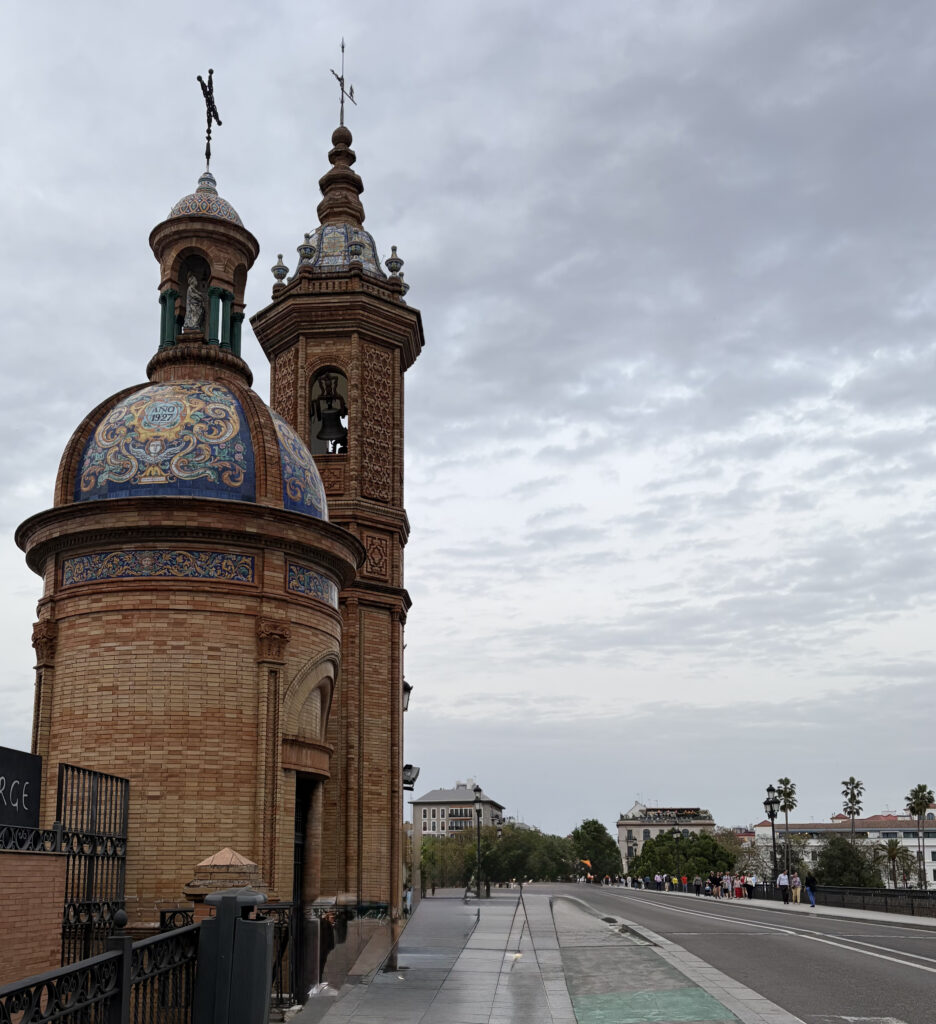
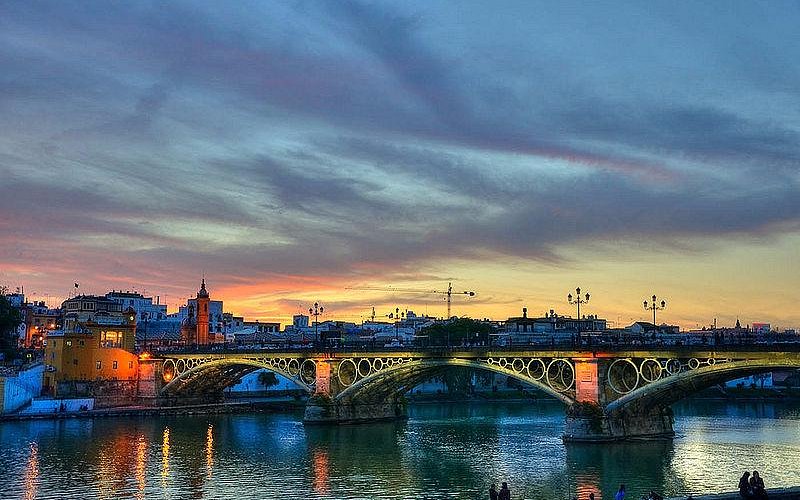
By the time we reached Seville, the day had softened. That golden hour where everything feels earned. We crossed the Triana Bridge into Triana, and it immediately felt different—less polished, more real. This was the neighborhood where sailors once lived, where ceramics were made along the river, where flamenco wasn’t a performance but just… part of life.
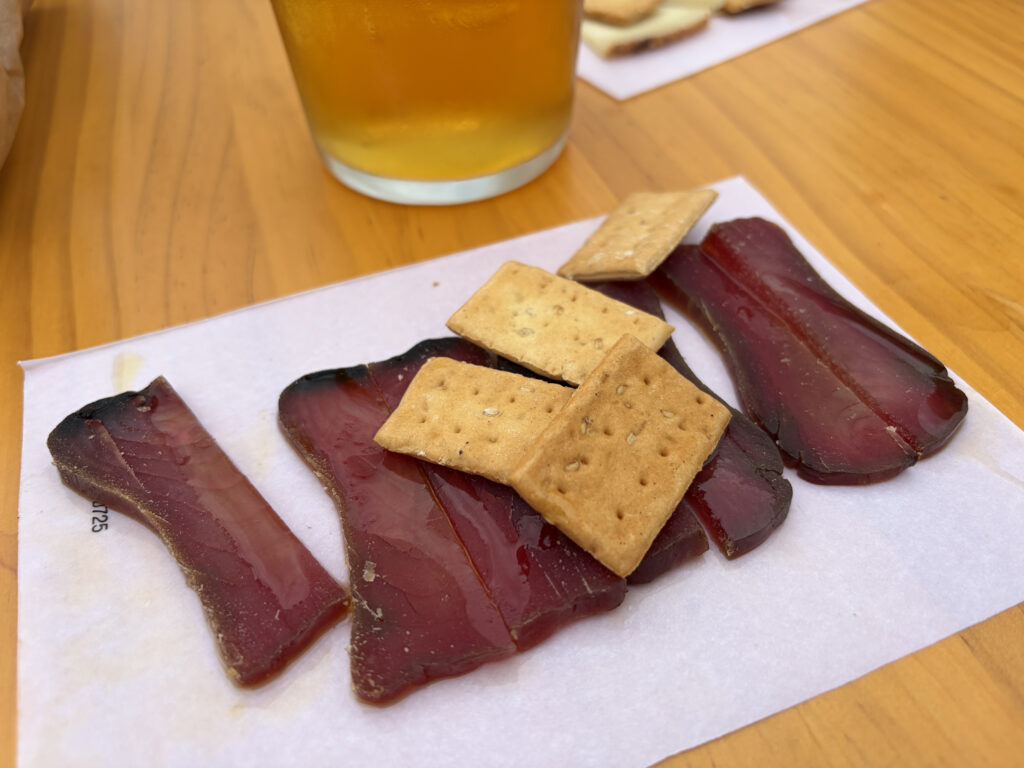
We found a table, used our translator to decipher the menu, ordered a beer, then tapas. The kind of ending that doesn’t feel like an ending—just a pause before whatever comes next. It didn’t feel like a checklist kind of day. More like we just kept following whatever felt interesting—and somehow it all connected.