
We didn’t really start the day so much as ease into it—somewhere between foggy jet lag and that quiet excitement of being somewhere new. Madrid felt soft around the edges at first, like it was waiting for us to catch up. Kellie and I found our footing the way we usually do: a London Fog and coffee first. A familiar stop at Starbucks, just to reset the clock a little, then out into streets that were already humming.
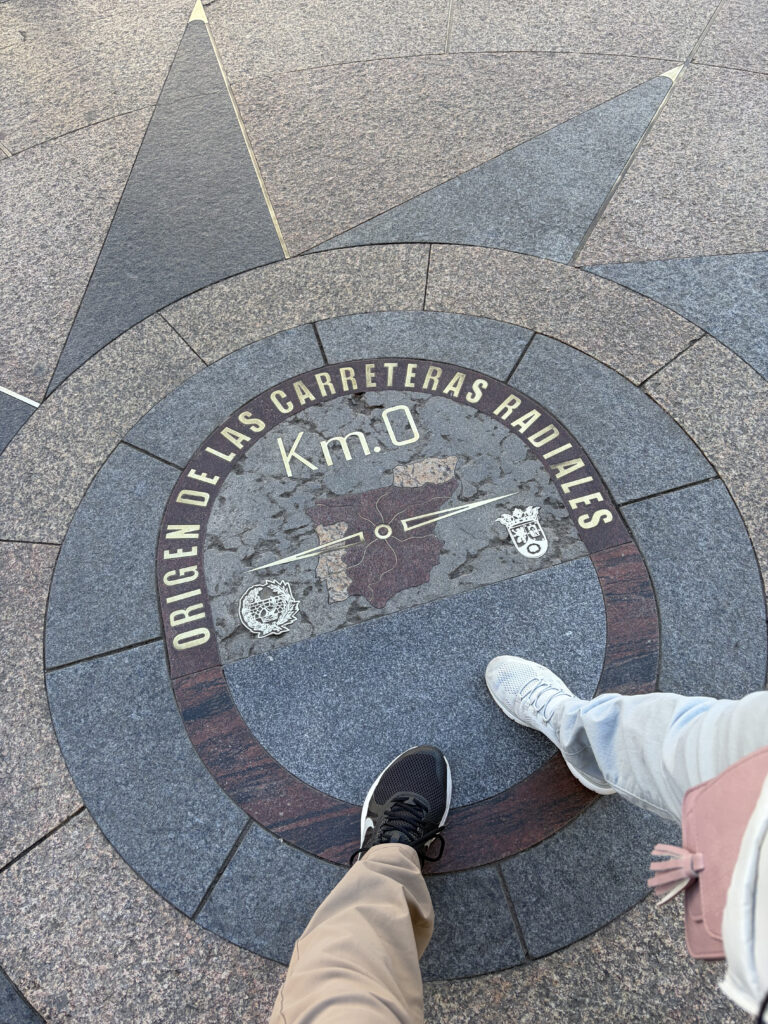
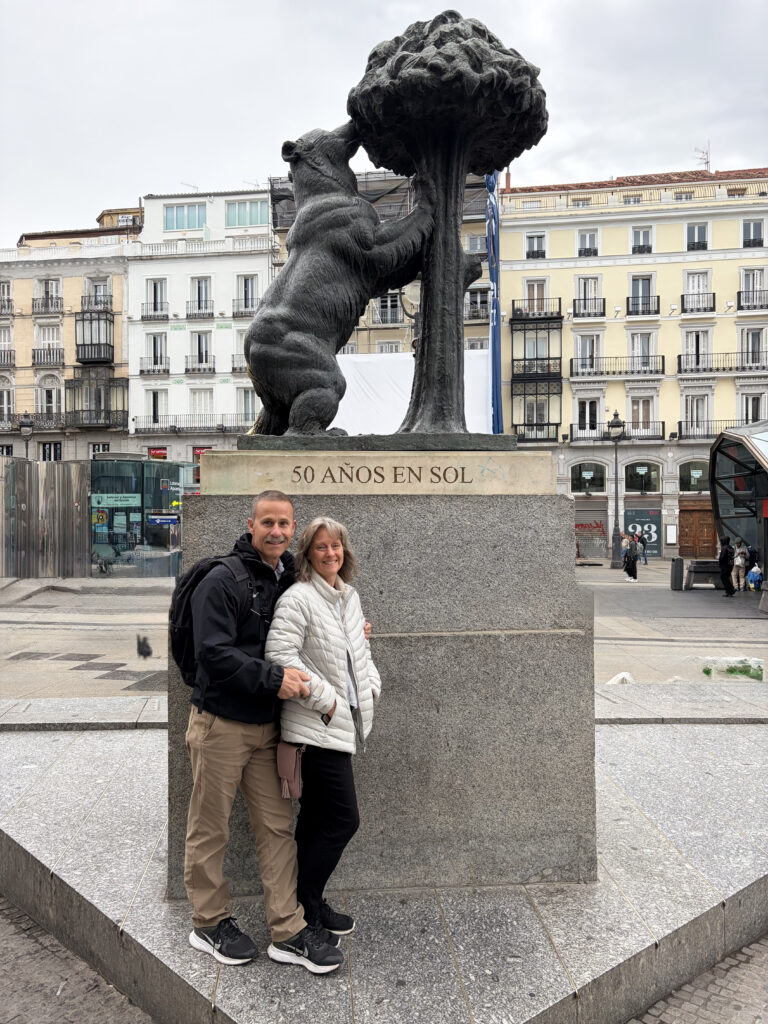
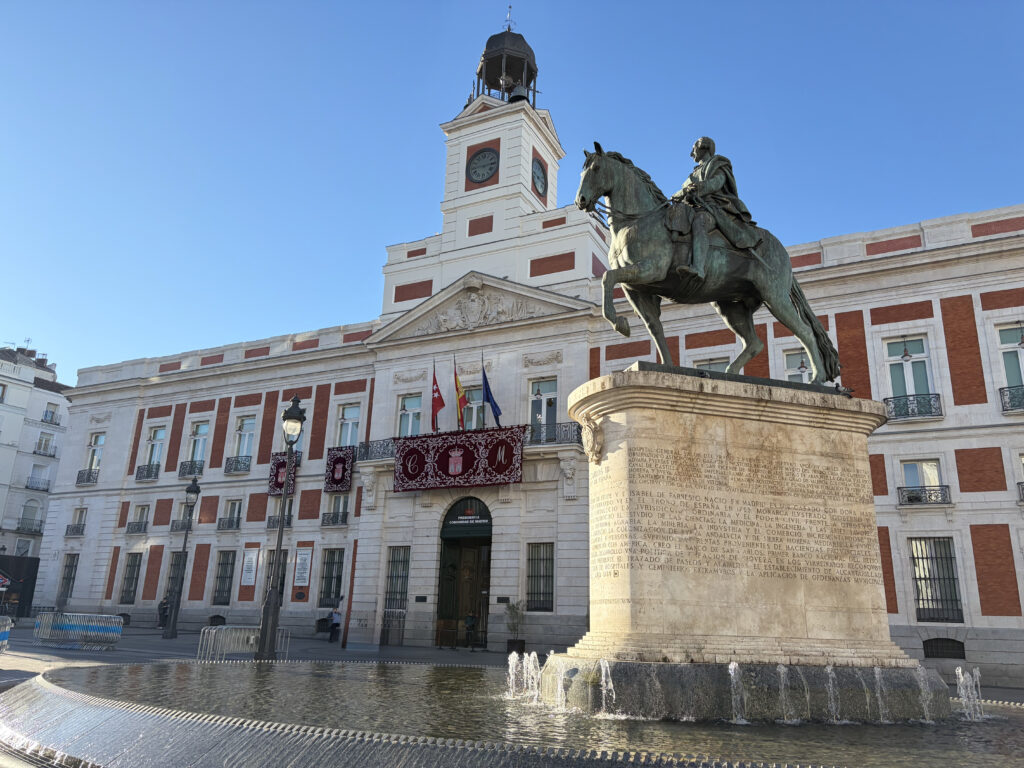
By the time we reached Puerta del Sol, the city had fully woken up. It’s one of those places that feels like everything radiates outward from it—which is actually true. Spain’s “Kilometer Zero” marker sits here, quietly marking the center of the country’s road network. Street performers, tourists, locals cutting across the square—it all blends into this constant motion. There’s also the famous bear and strawberry tree statue, symbol of Madrid, which felt oddly grounding in the middle of all that energy.
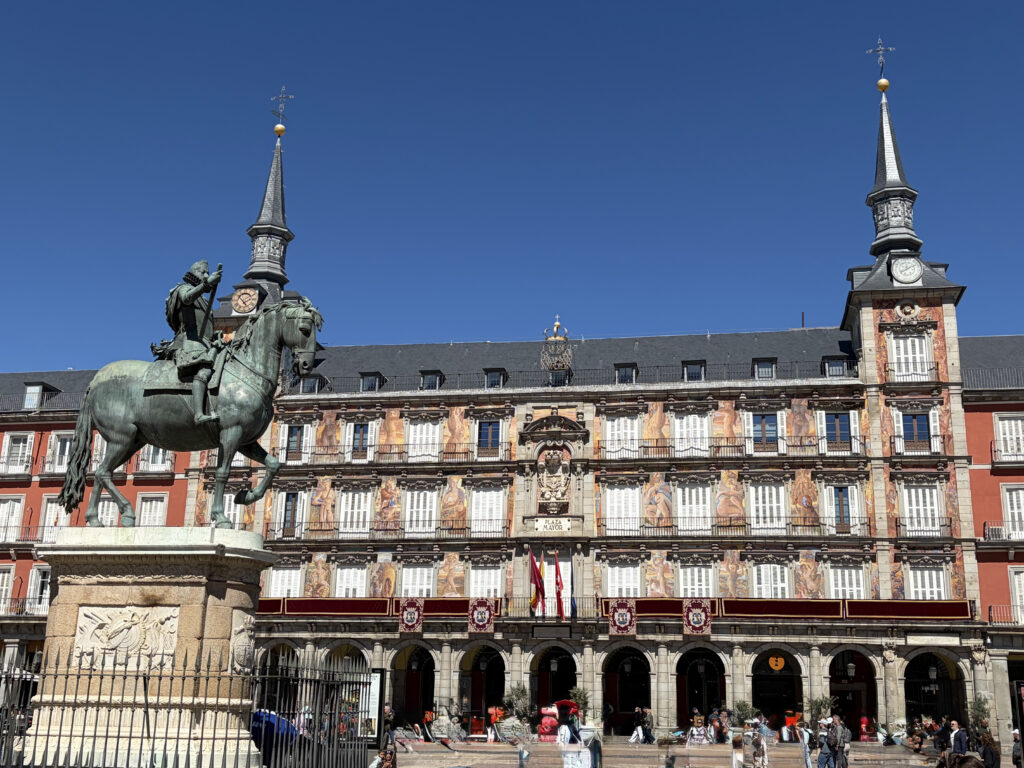
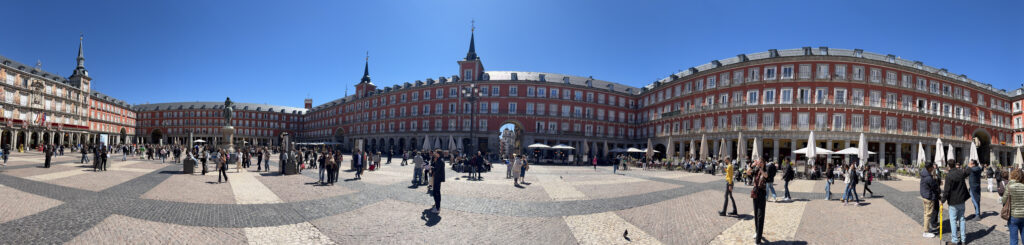
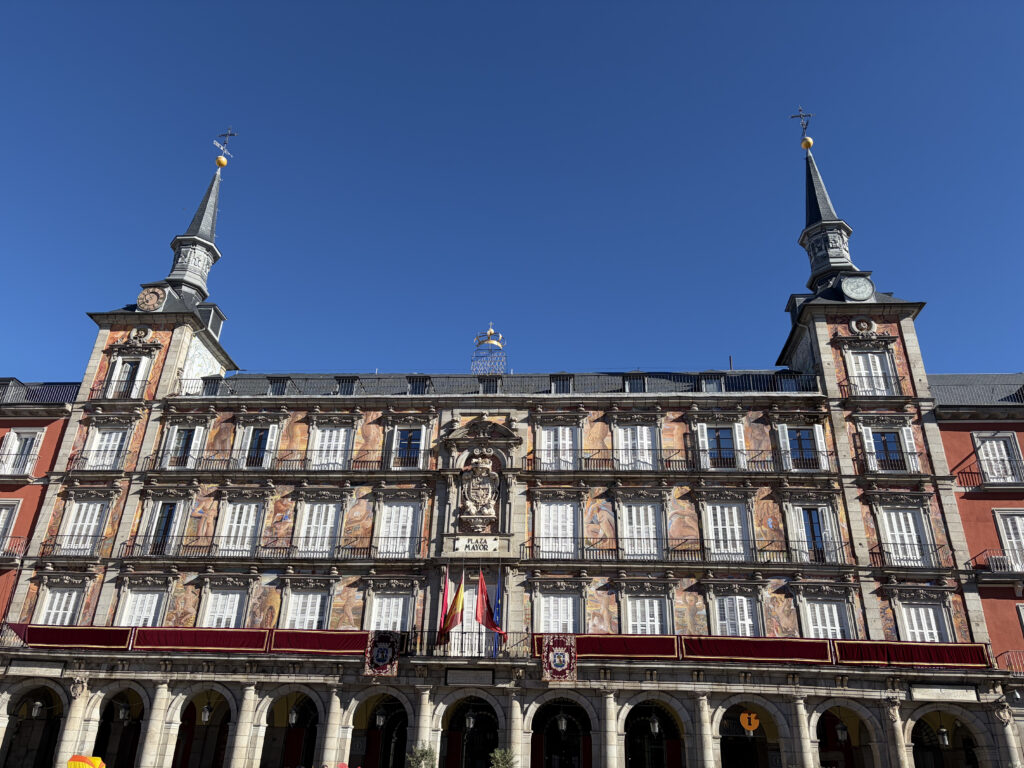
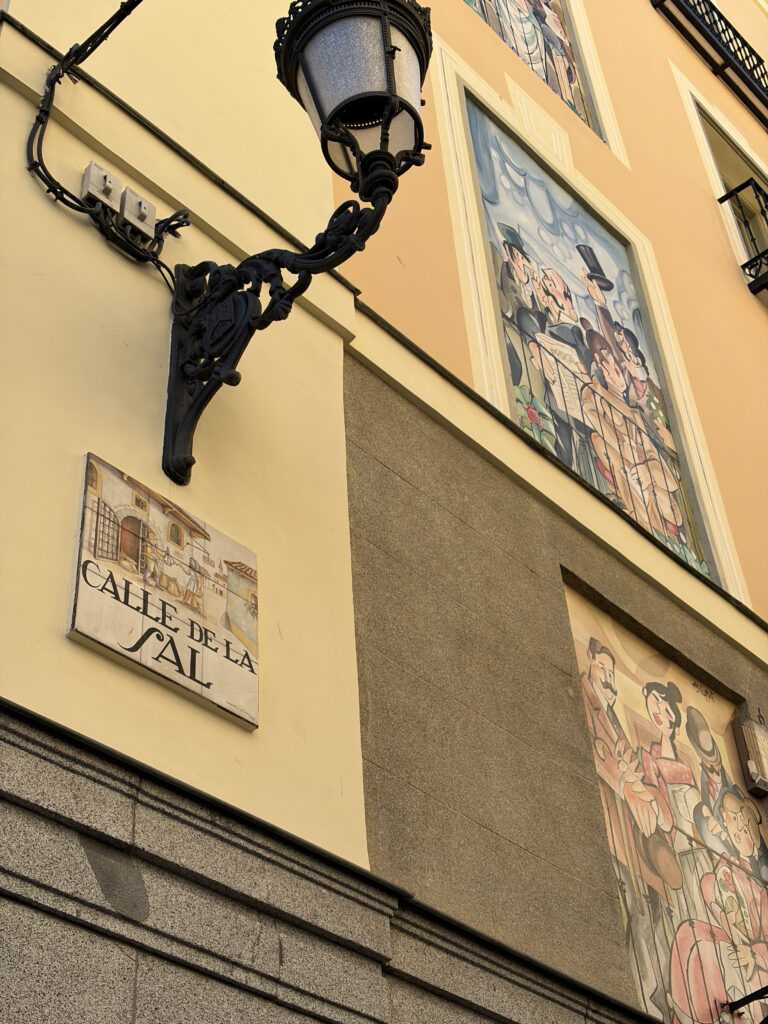
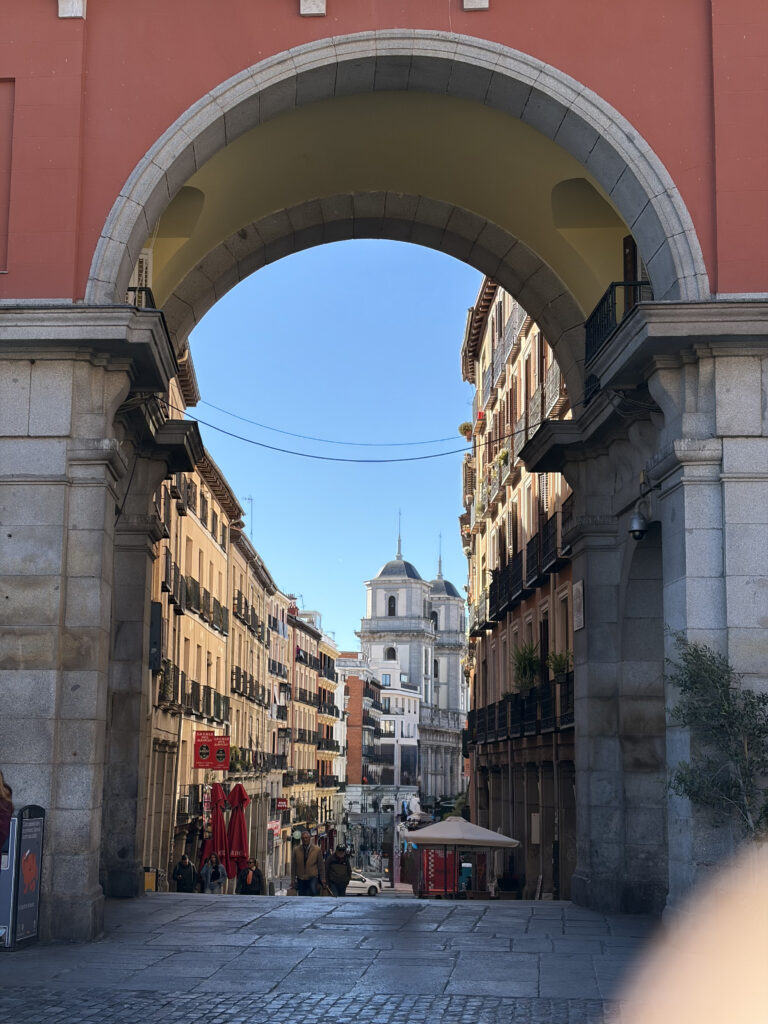
A short walk brought us to Plaza Mayor, and suddenly everything shifted. The noise softened, the space opened up, and those uniform red buildings wrapped around us like a stage set. It’s hard not to imagine the history here—public markets, royal ceremonies, bull fights, even executions during the Spanish Inquisition. Today it’s calmer, lined with cafés and artists, but you can still feel that layered past if you slow down long enough. No church here to collect taxes so that is why it was moved from Toledo.
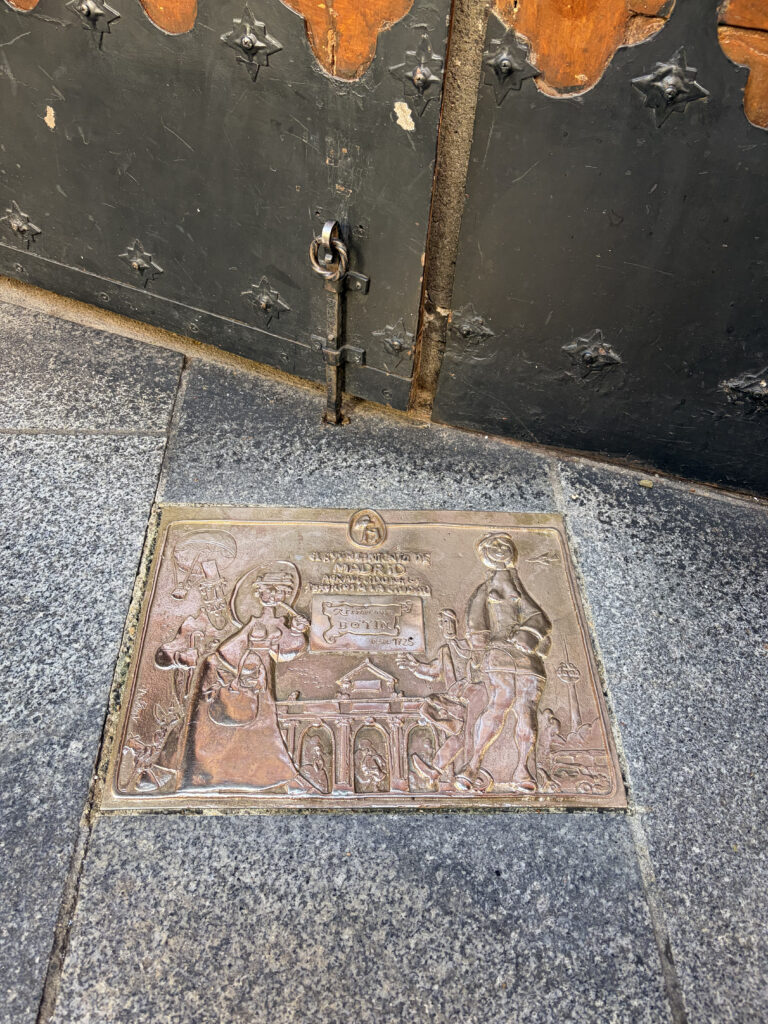
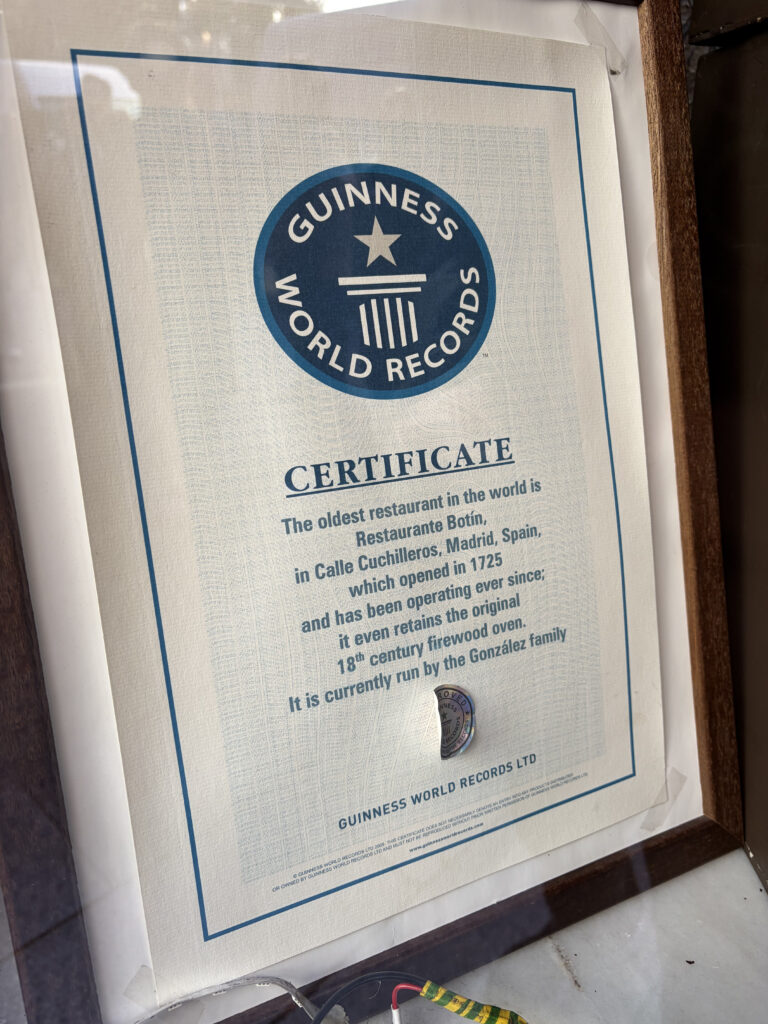
We paused outside Sobrino de Botín—not just any restaurant, but the oldest continuously operating one in the world. Since 1725. Goya supposedly worked there before he became Goya, which is wild to think about. We didn’t eat there this time, but just standing near it felt like brushing up against a very long timeline that included the famed writer Hemingway.
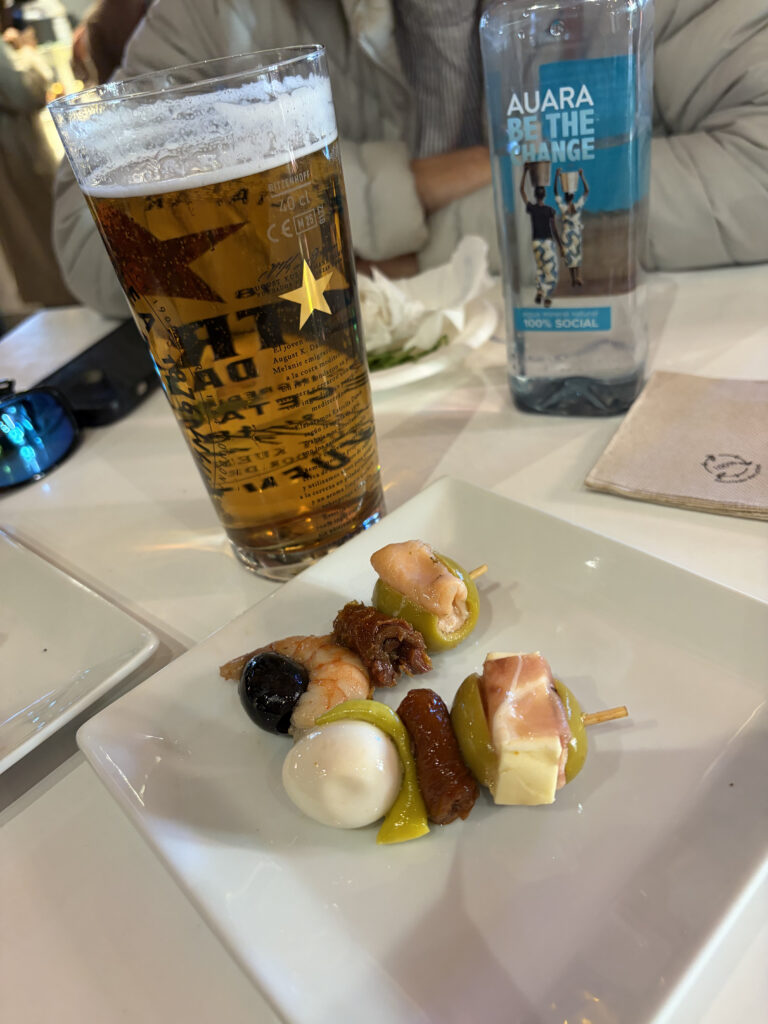
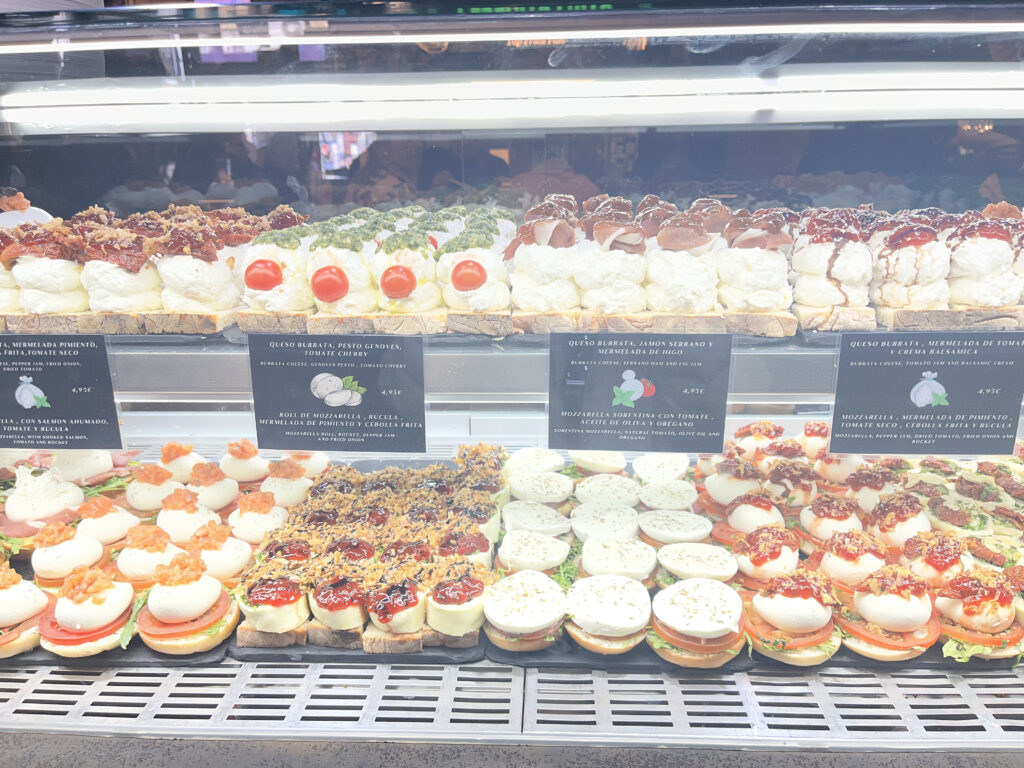
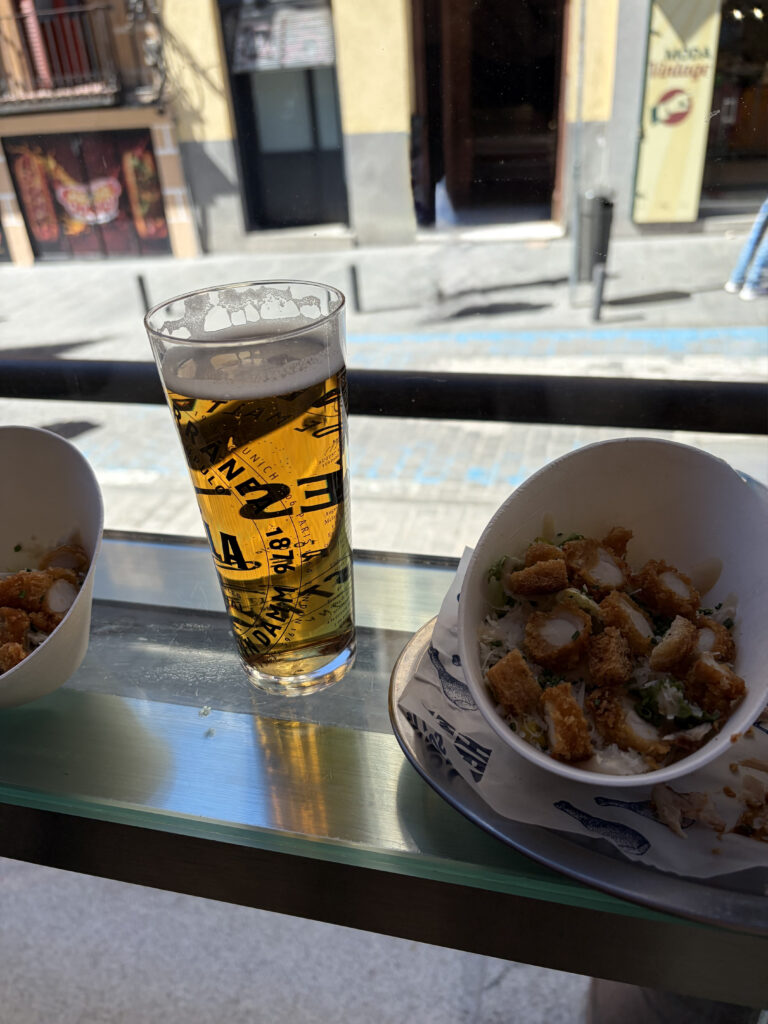
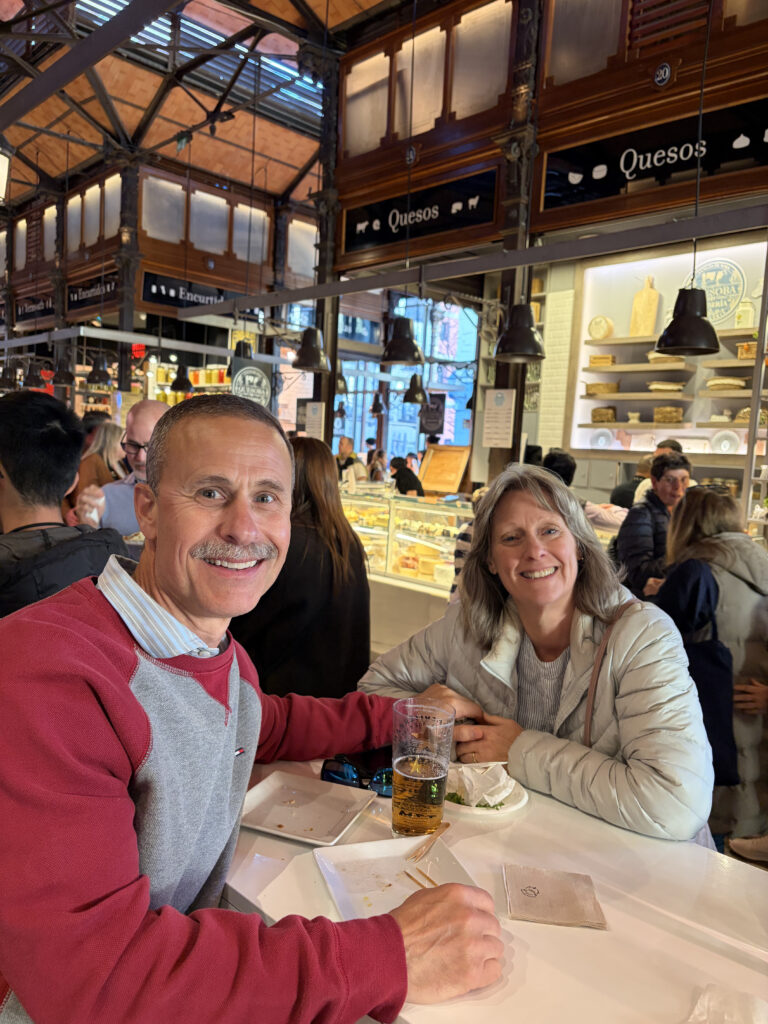
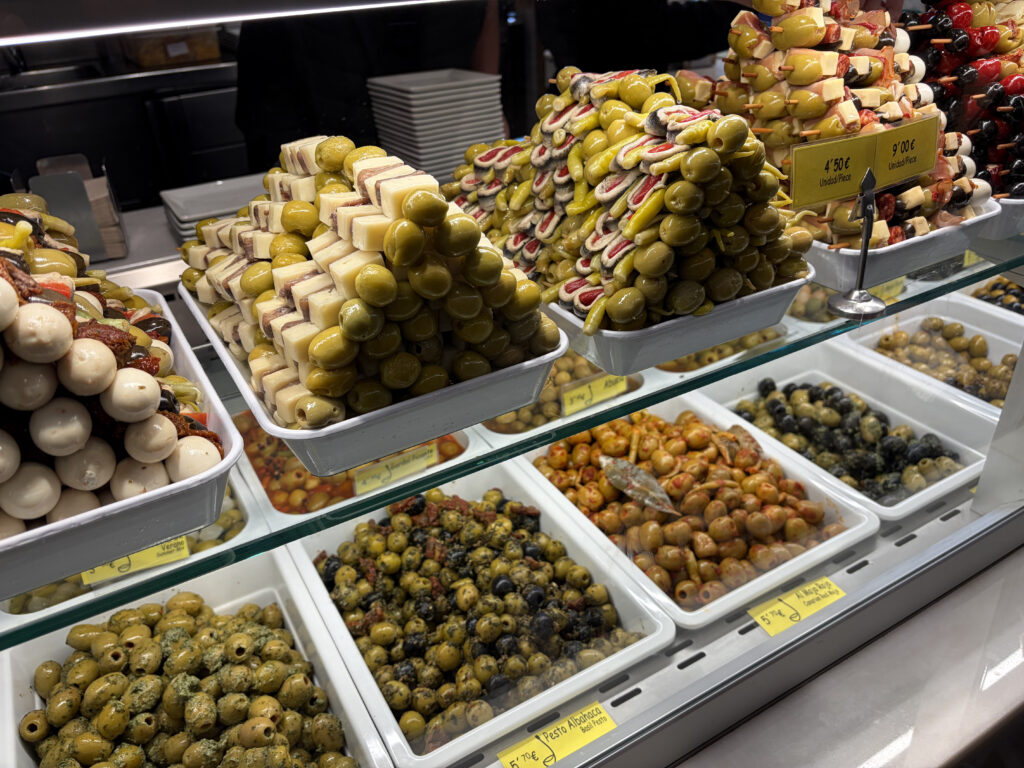
From there, it was on to Plaza de San Miguel, which kind of acts like a gateway to one of the best stops of the day. Right next door is Mercado de San Miguel, where we ended up circling more than once before committing to lunch. It’s all glass and iron—originally built in 1916—and inside it’s just… everything. Jamón, olives, seafood, little glasses of wine. We picked our way through different stalls, sharing bites, standing at counters, pointing at things we didn’t fully understand but absolutely wanted to try. Easily one of those meals you remember more for how it felt than what you ordered.
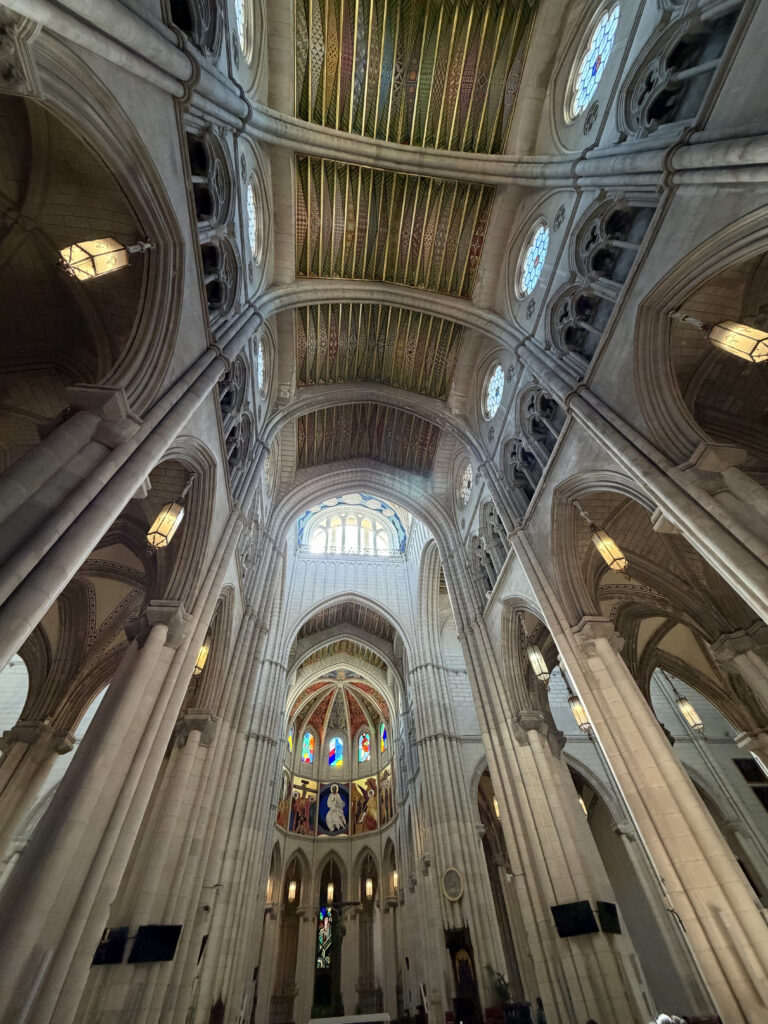
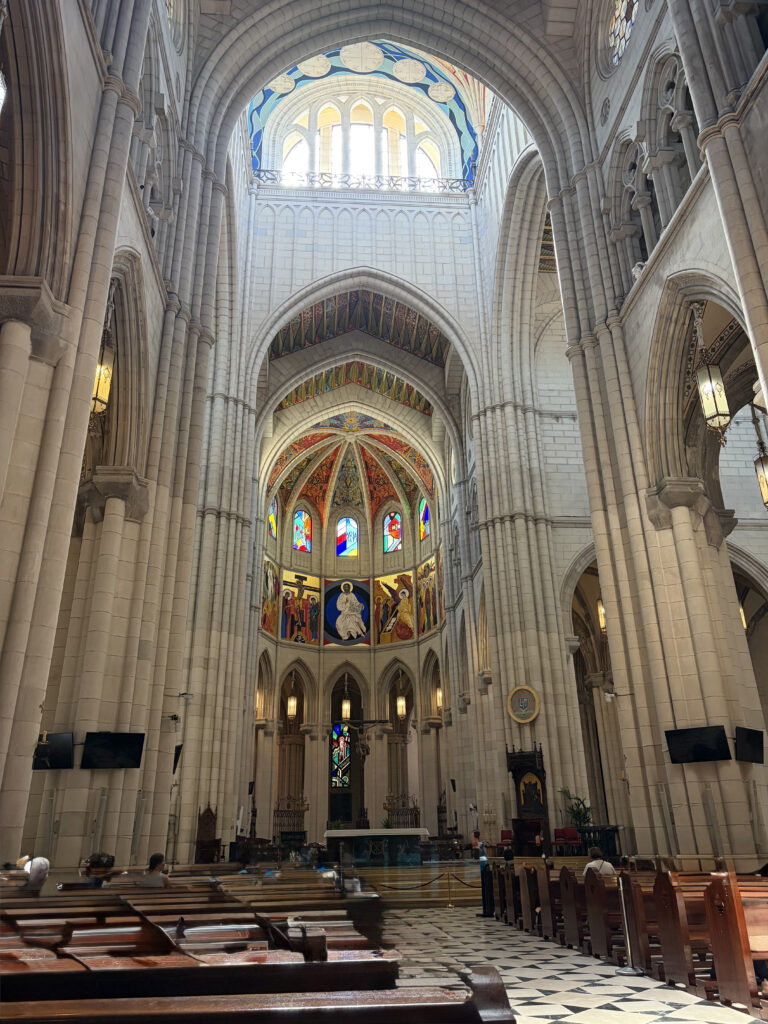
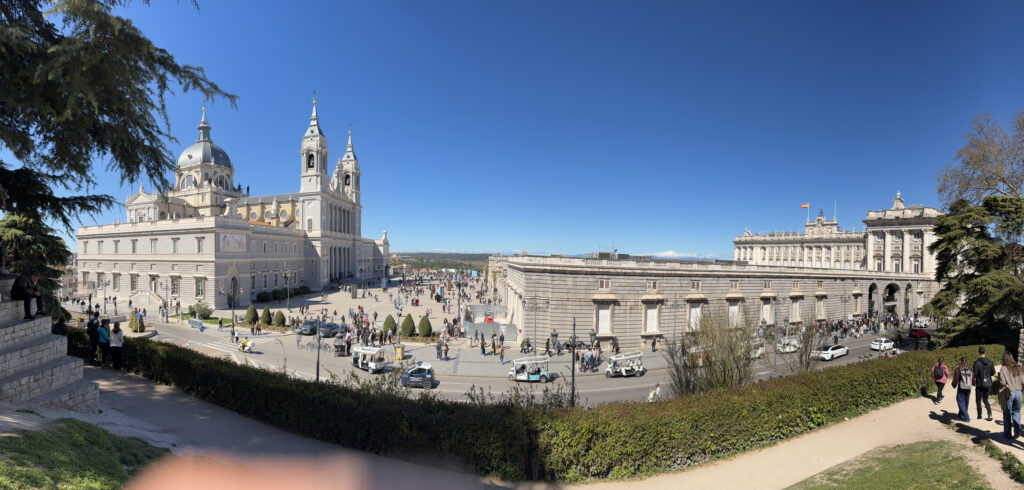
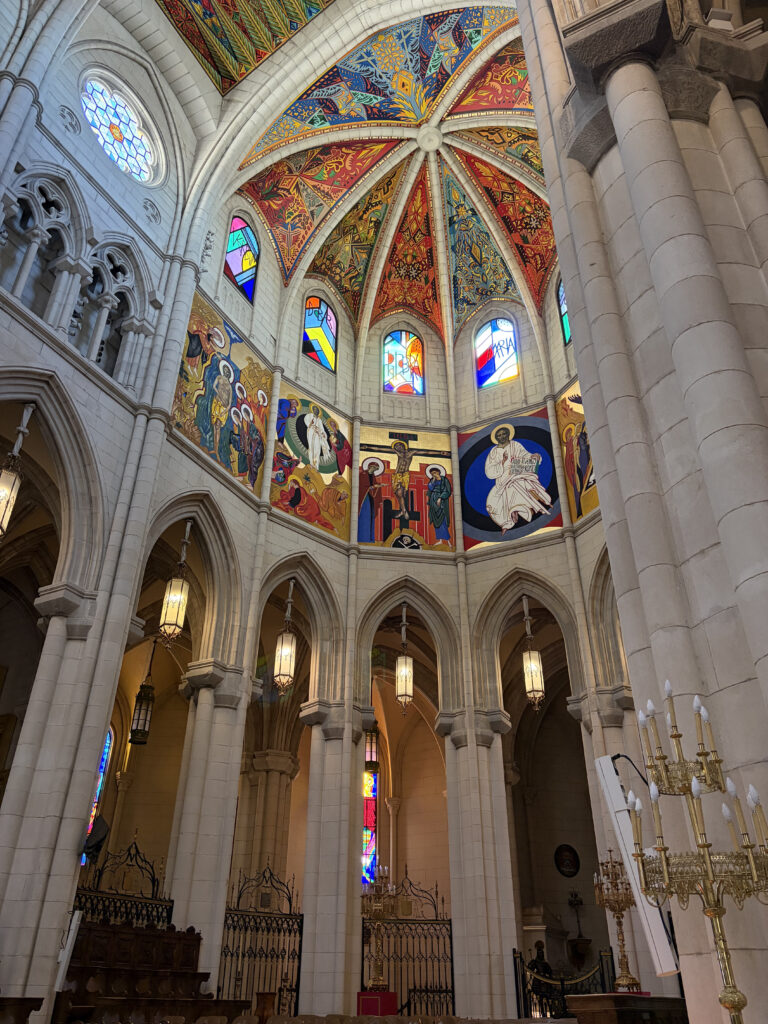
Somewhere in between all that eating and wandering, we made our way up toward Almudena Cathedral. It’s surprisingly modern compared to most European cathedrals—finished in 1993—but it still carries this quiet weight. Oddly enough it is the only cathedral outside of Rome that has been blessed by a Pope. Right across from it, the scale shifts again with the Royal Palace of Madrid. Massive, ornate, almost overwhelming. It’s the largest royal palace in Western Europe, though the Spanish royal family doesn’t actually live there anymore. Walking through the grounds, it’s hard not to picture the centuries of monarchy, ceremonies, and power that passed through those halls.
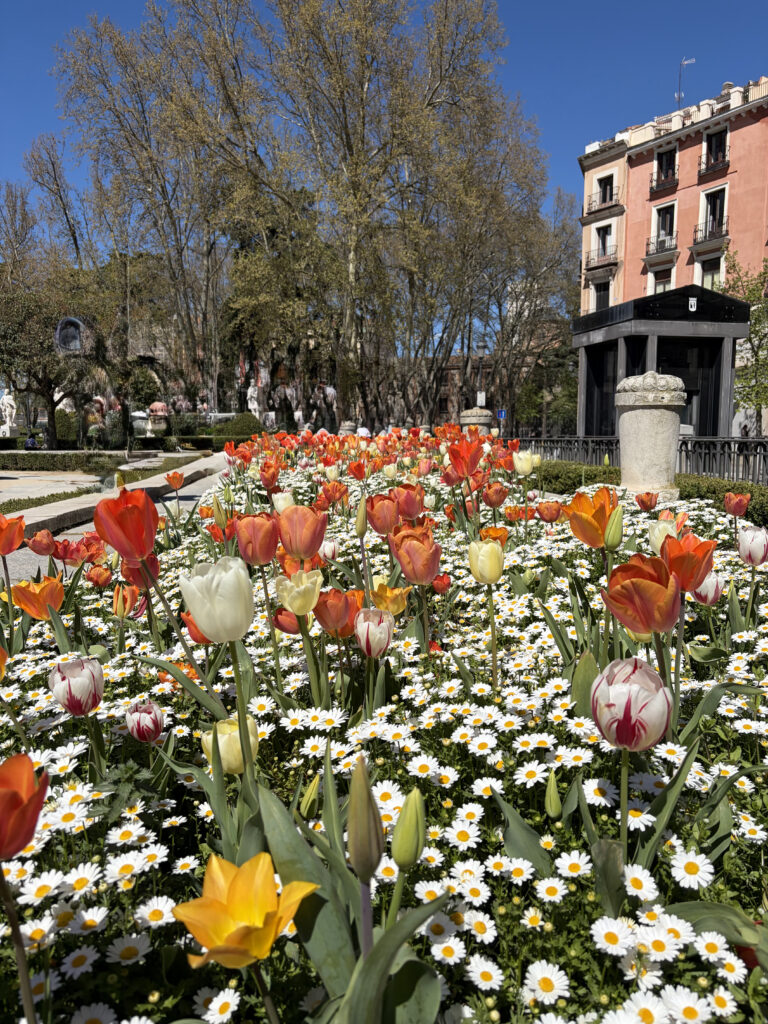
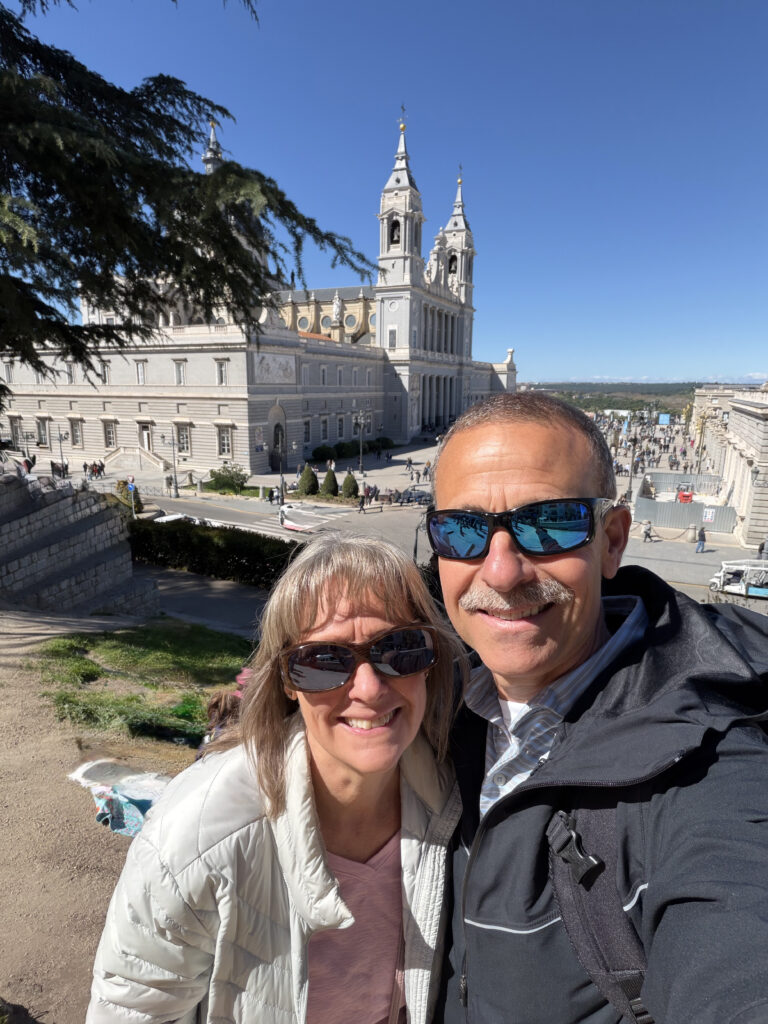
We kept moving—shops, side streets, little detours that added up without us noticing. By the time we checked our steps, we were already pushing 18,000. Not bad for a “slow” first day.
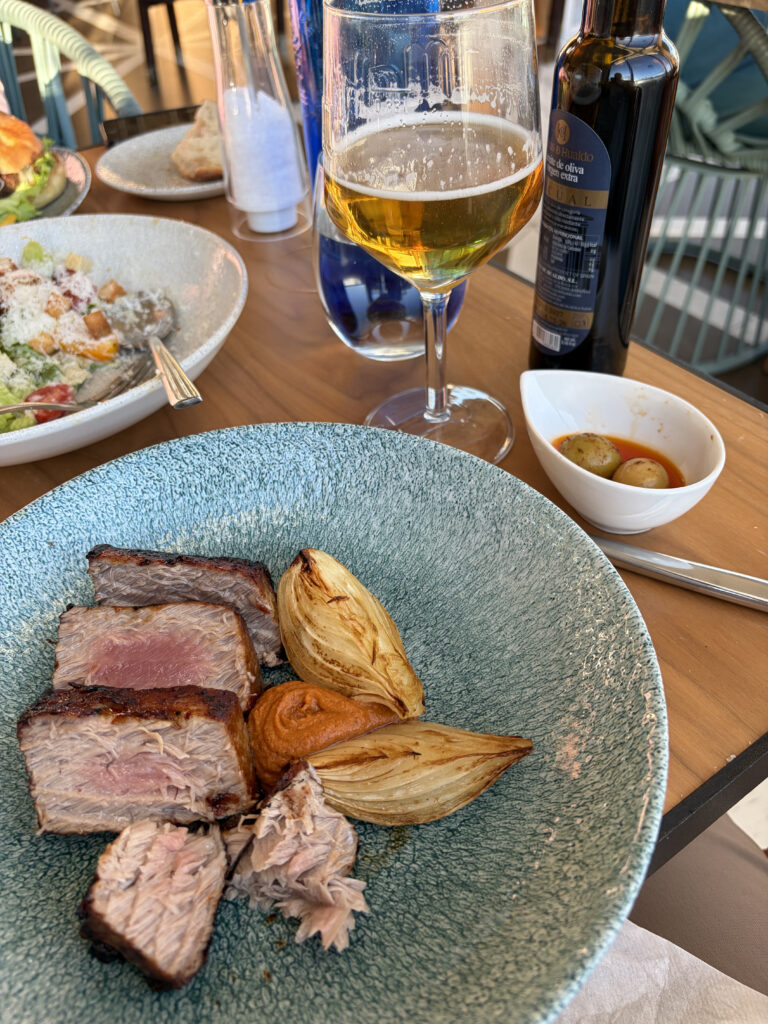
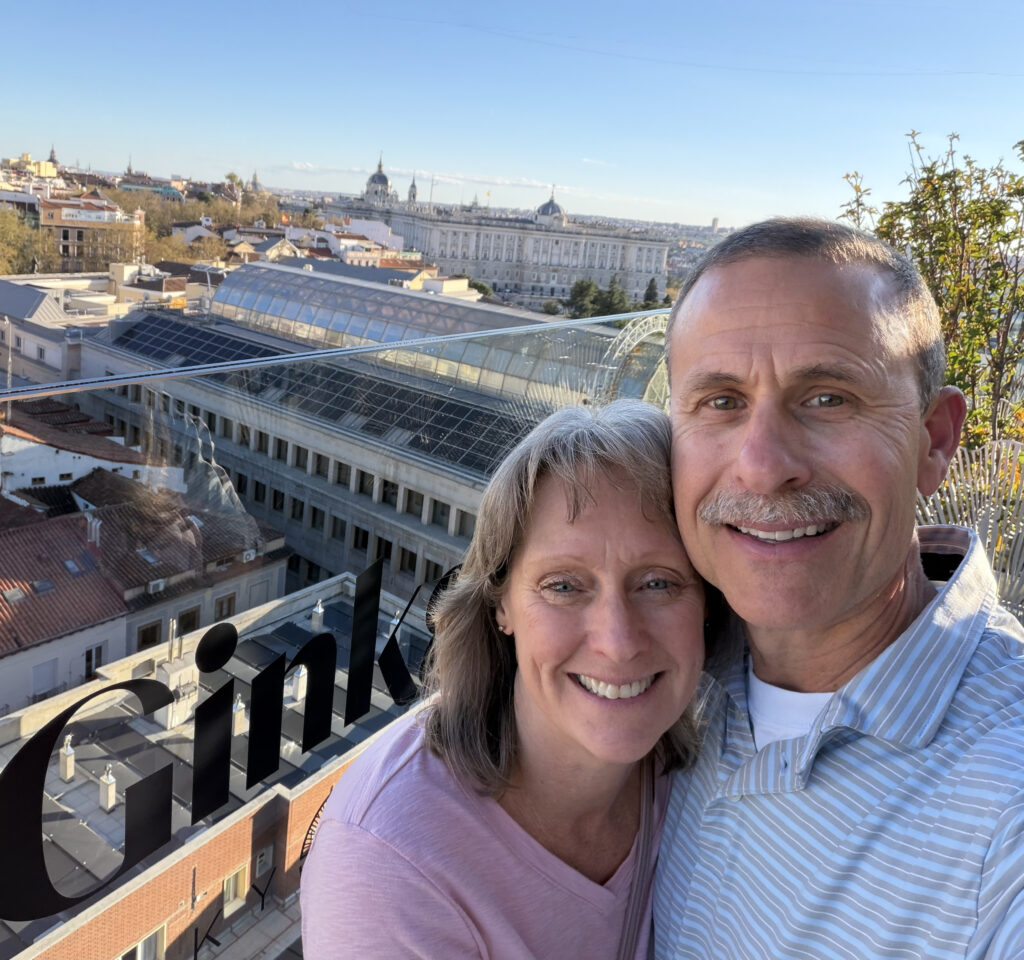
Dinner took us somewhere completely different: Ginza Sky Bar. Sleek, modern, with views that stretch out over the city. It felt like a contrast to everything earlier—old Madrid versus new Madrid in the span of a few hours. We lingered there a bit, letting the day settle.
But the real finish came at Temple of Debod. And that one kind of surprised me. An actual Egyptian temple, gifted to Spain in the 1960s, sitting right there in a Madrid park. As the sun dropped, the sky turned that deep orange, and the temple reflected in the water like something out of place in the best possible way. People were scattered around quietly watching, and for a minute everything just slowed down again.
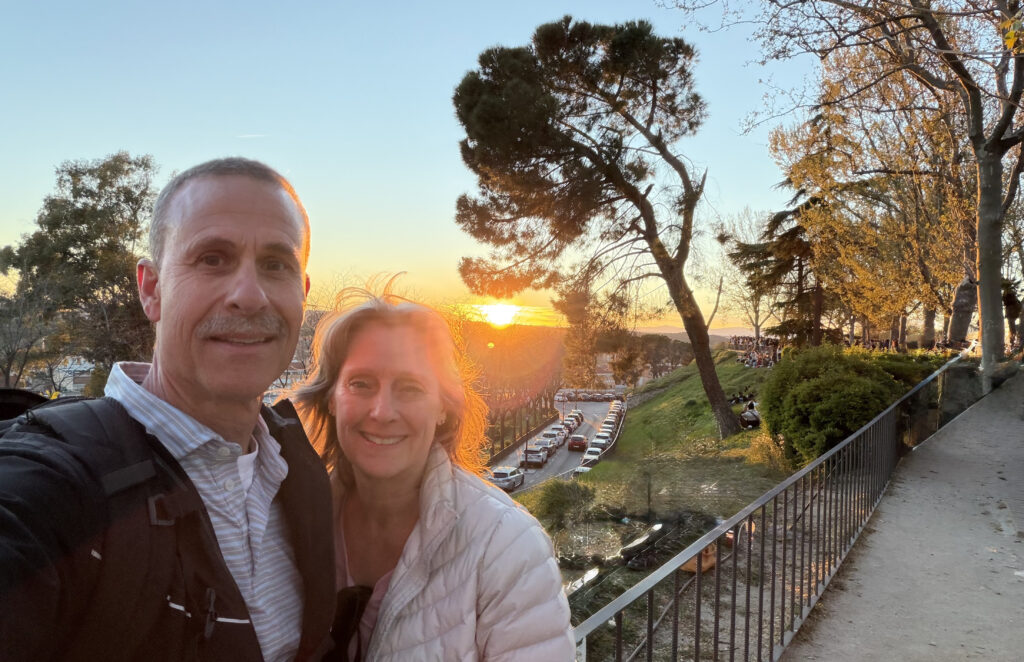
First day, long way from home, and already it felt like we’d been folded into the rhythm of the place.
On our second day we were out the door right at 8:00, still chasing that feeling of being slightly ahead of the city. The light in Madrid at that hour has this soft, golden tone—like everything’s just been reset overnight. Kellie and I walked without much of a plan beyond “head that way,” which is usually when things fall into place best.
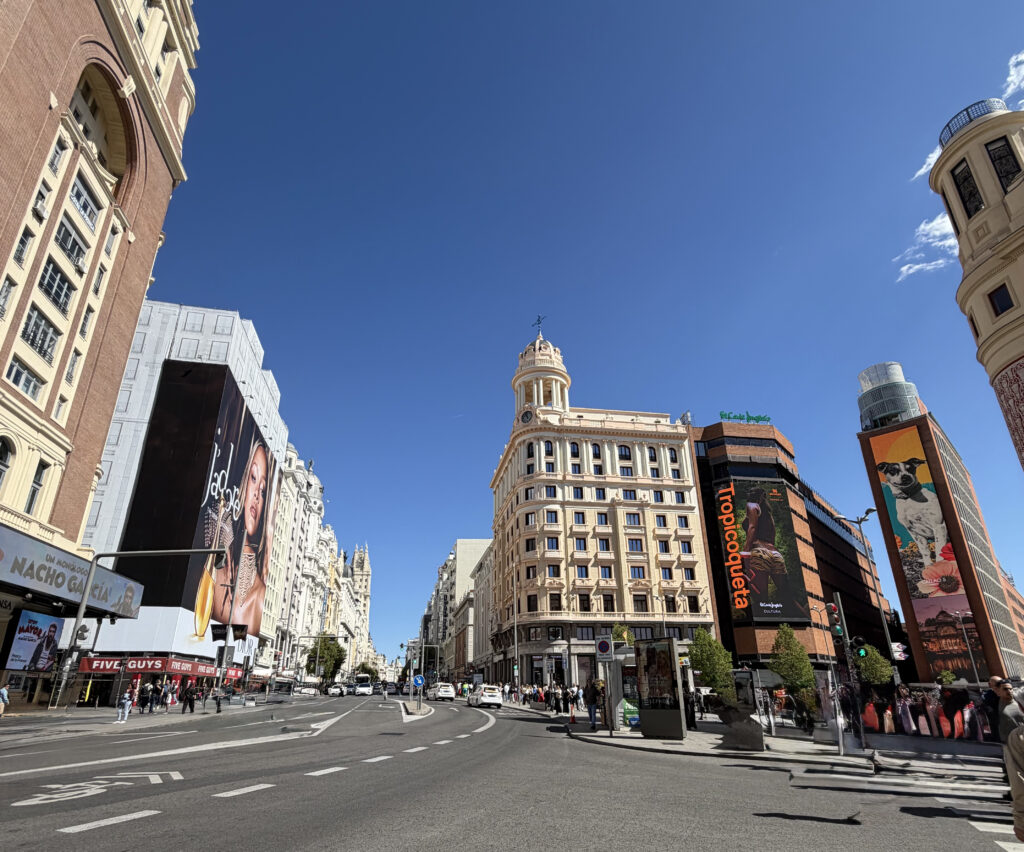
We drifted into Plaza de Callao just as the city was stretching awake. It’s loud later in the day—Madrid’s version of Times Square—but in the morning it felt almost cinematic. The old Edificio Capitol with the Schweppes sign was still catching the early sun, a reminder that Gran Vía wasn’t always neon and crowds—it used to be Madrid’s bold, early 20th-century leap into modernity.
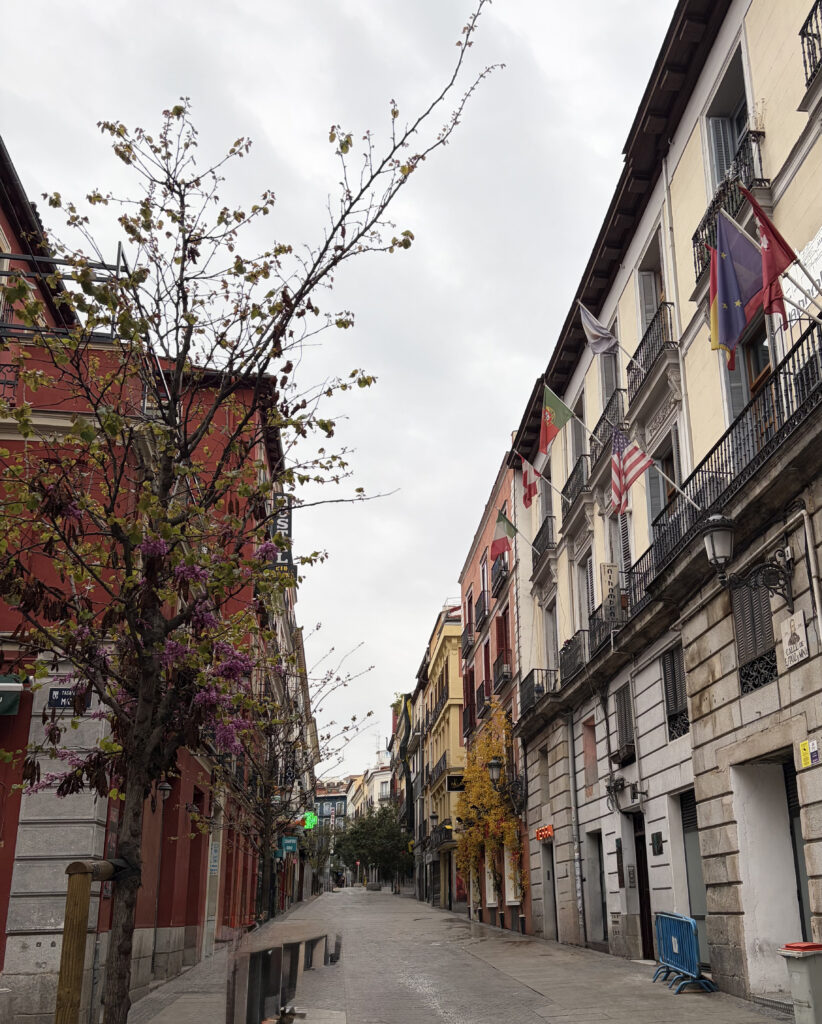
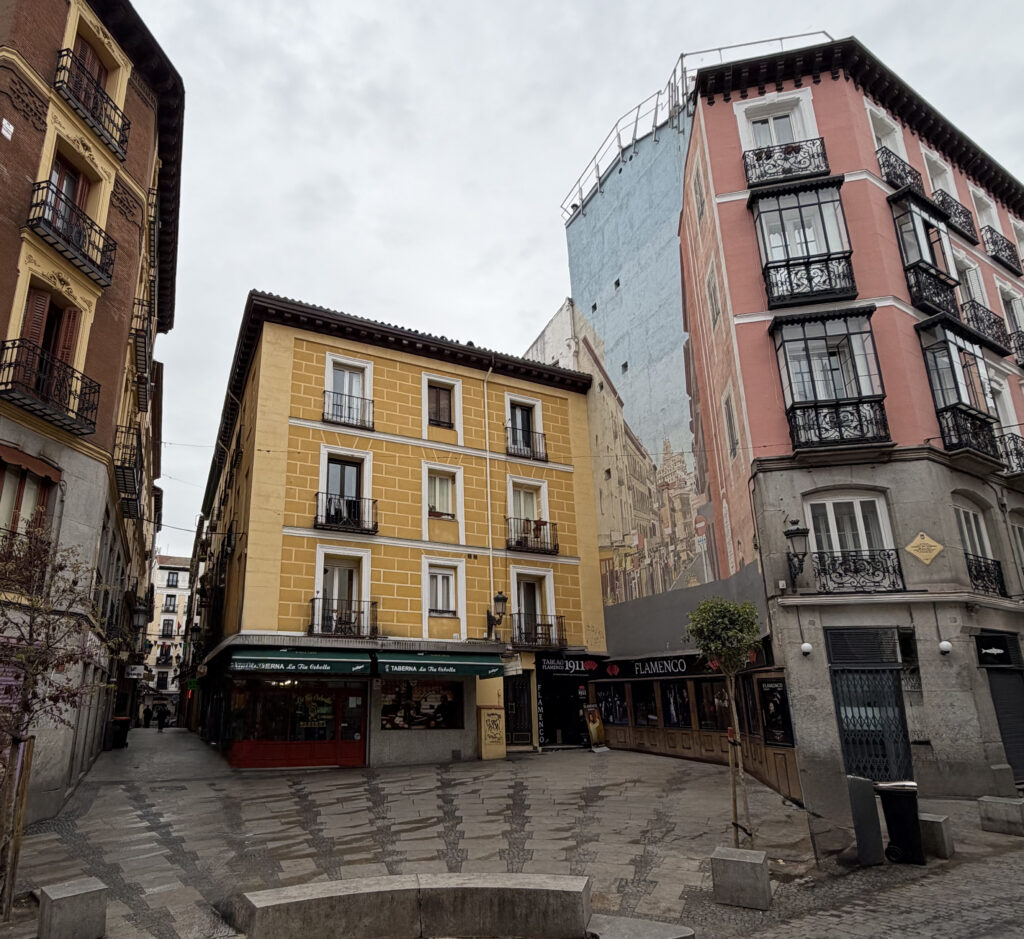
We cut through toward Plaza de Santa Ana, and the mood shifted again. Quieter, more thoughtful. This is the heart of the old literary quarter—Barrio de las Letras—where writers like Miguel de Cervantes and Federico García Lorca once moved through these same streets. Their statues stand there now, like they’re still watching the place. It’s strange to think that some of Spain’s greatest words were written just a few steps from where we were standing.
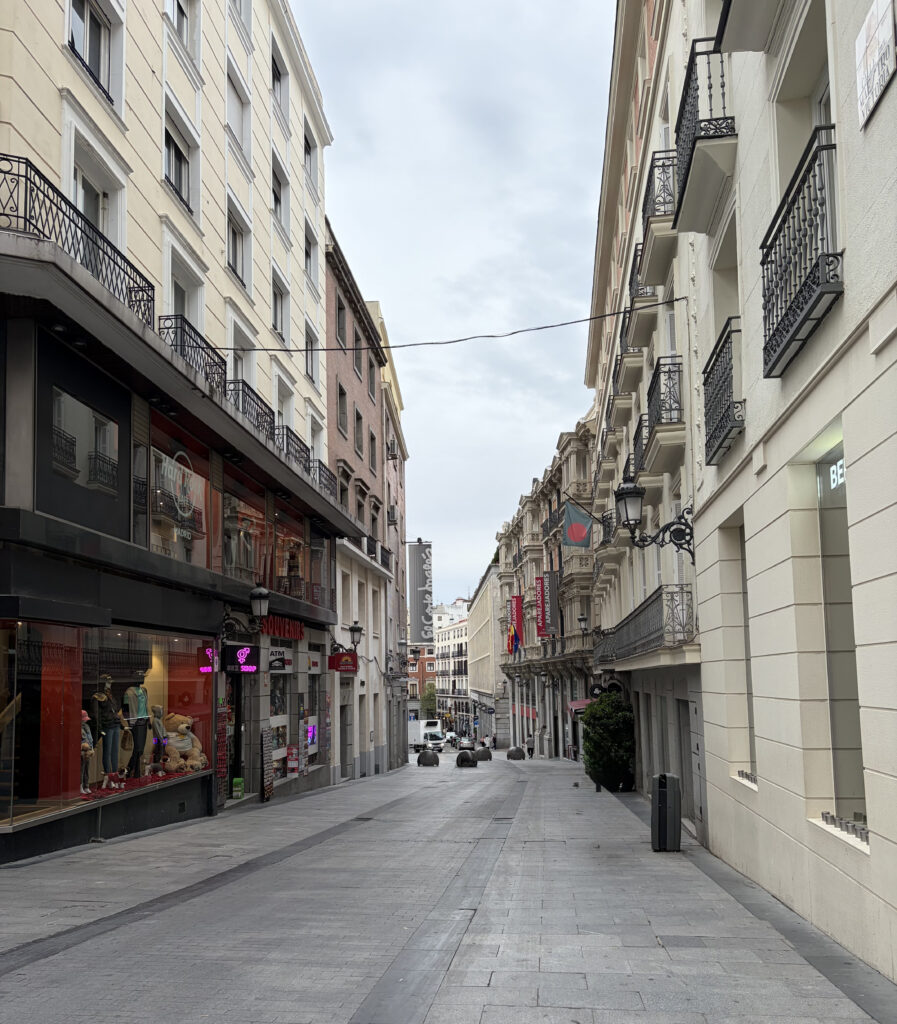
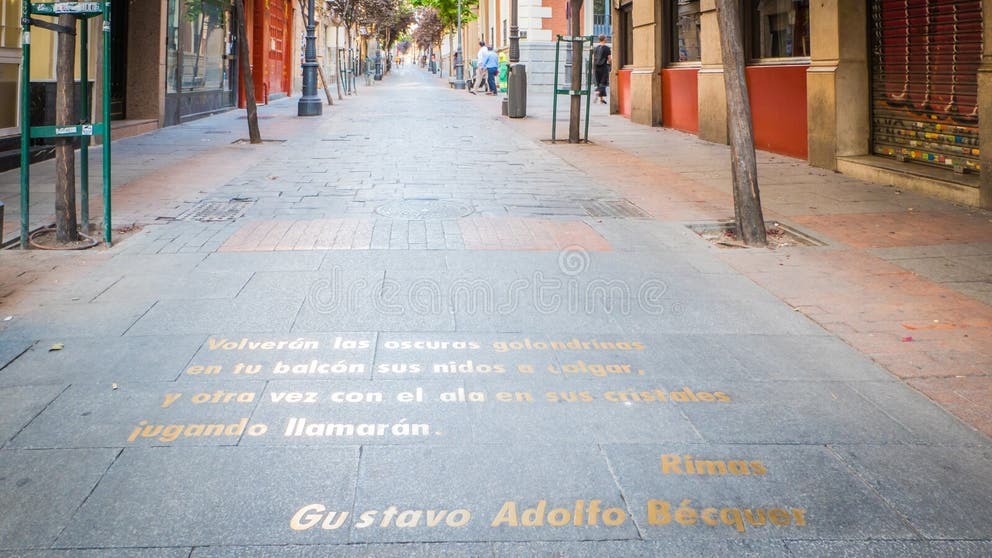
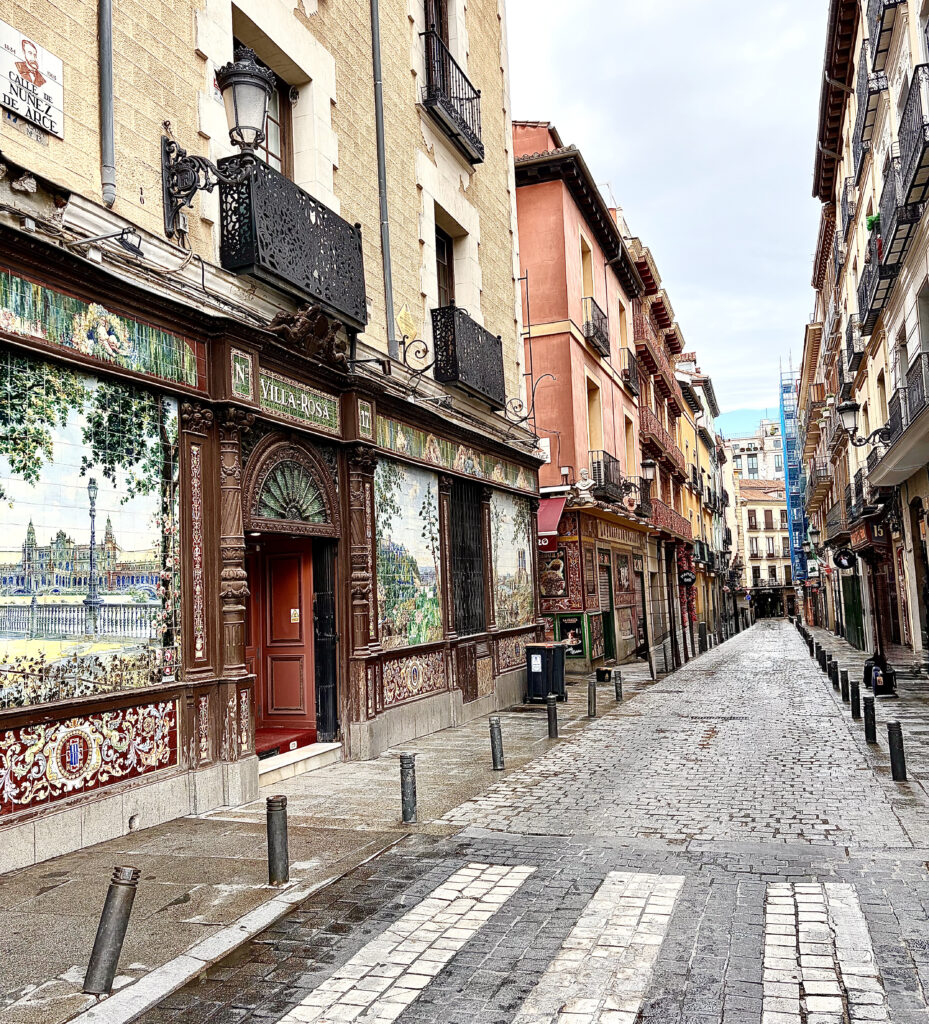
Walking along Calle de las Huertas, we started noticing the quotes—actual lines of poetry and prose embedded into the pavement. You end up looking down as much as around, which slows you down in a good way. Cafés were just opening, chairs scraping lightly against stone, the smell of coffee drifting out into the street.
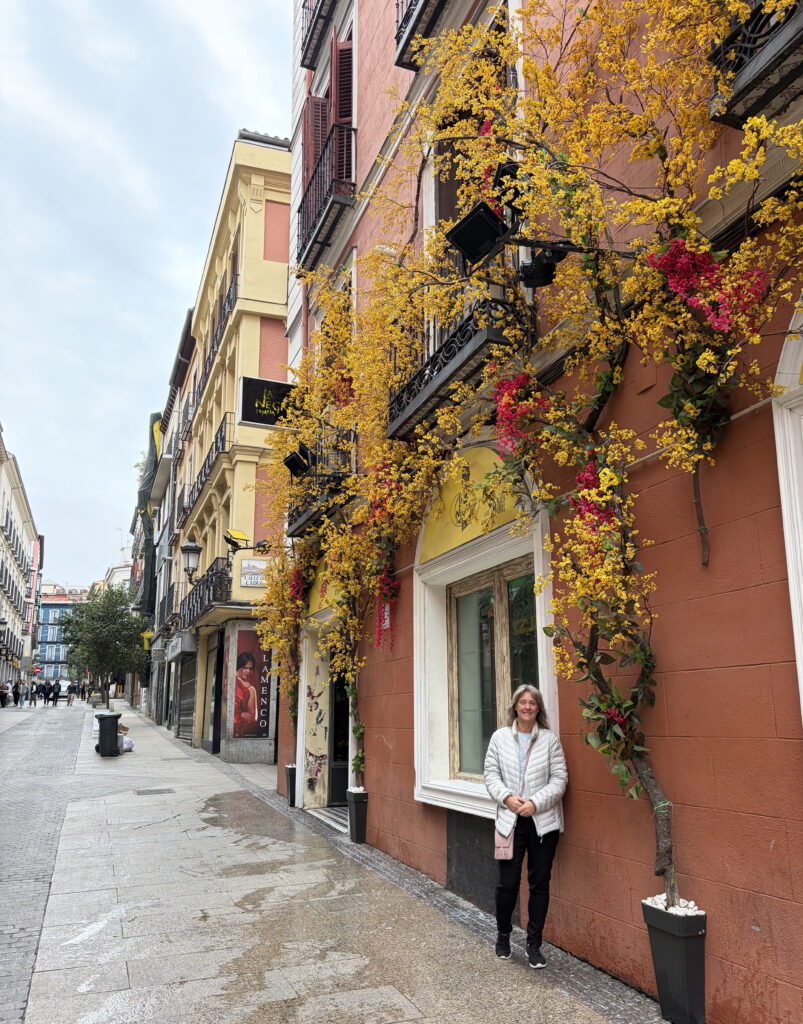
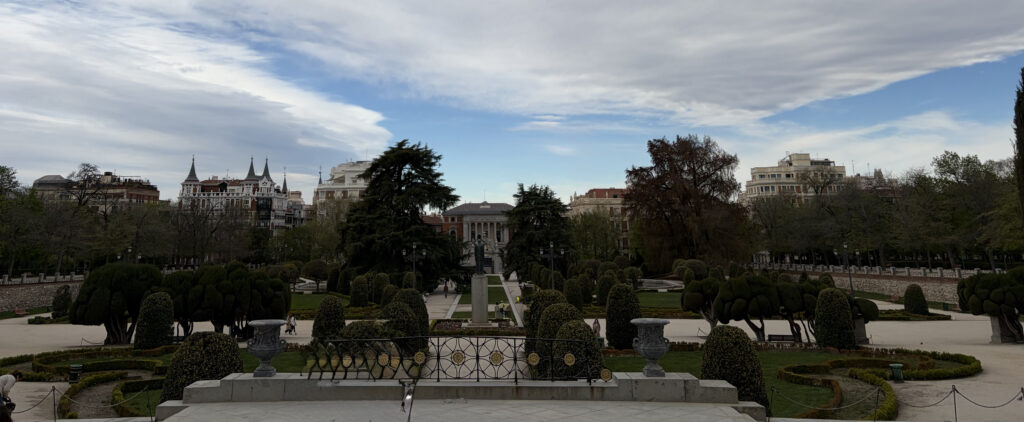
Eventually, everything opened up into Paseo del Prado, wide and tree-lined, almost stately. This stretch is part of a UNESCO-listed cultural landscape, which makes sense once you’re walking it. It’s not just a road—it’s where Madrid decided to show off its intellectual side, with museums and institutions built during Spain’s Enlightenment era, when knowledge suddenly became something to put on display.
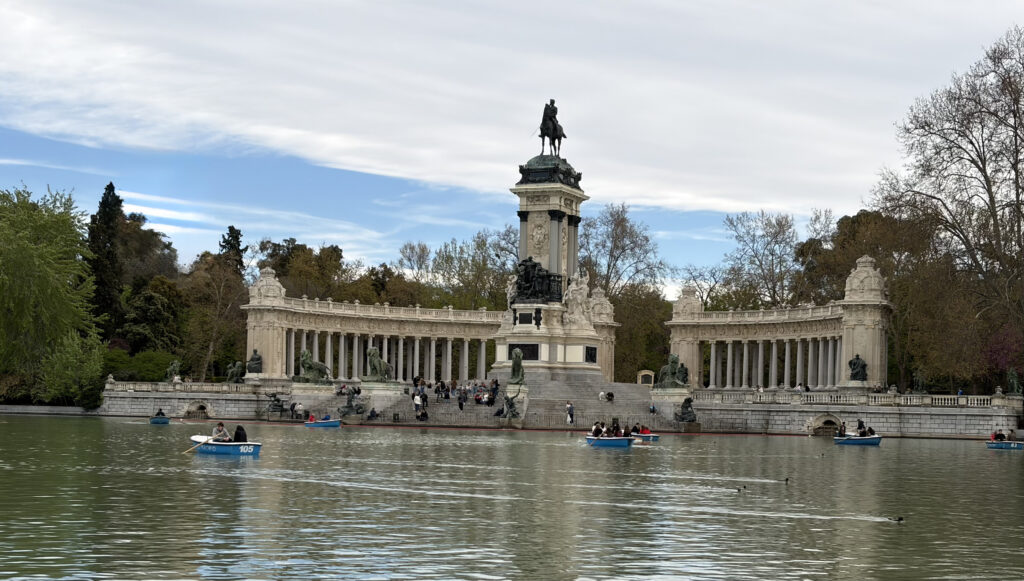
El Retiro Park felt like stepping into a different pace entirely. Originally built as a royal retreat in the 17th century, it wasn’t even open to the public for years—just kings and their inner circles wandering these same paths. Now it’s everyone. We wandered without direction for a couple of hours—past the lake where rowboats drift lazily, over toward the glassy shimmer of the Palacio de Cristal, which looks like it belongs in a completely different city. It was built in 1887 for a botanical exhibition from the Philippines, back when Spain still held colonies there—one of those quiet reminders of a much larger empire.
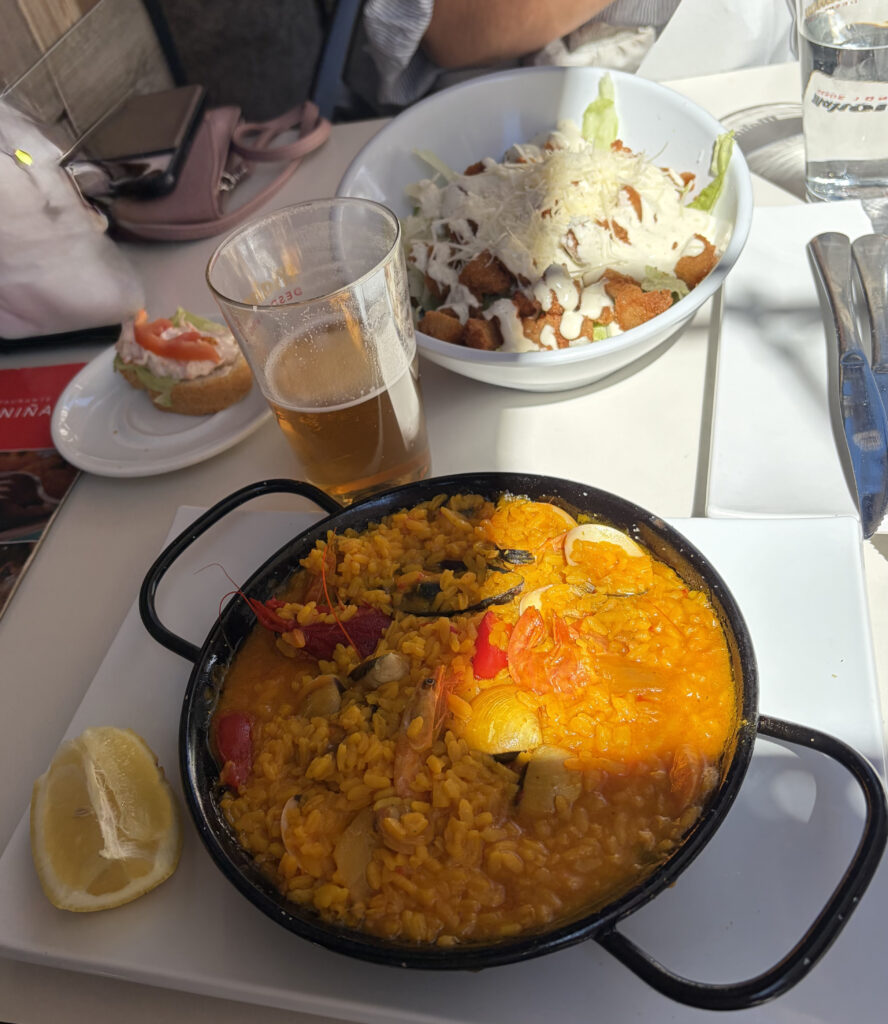
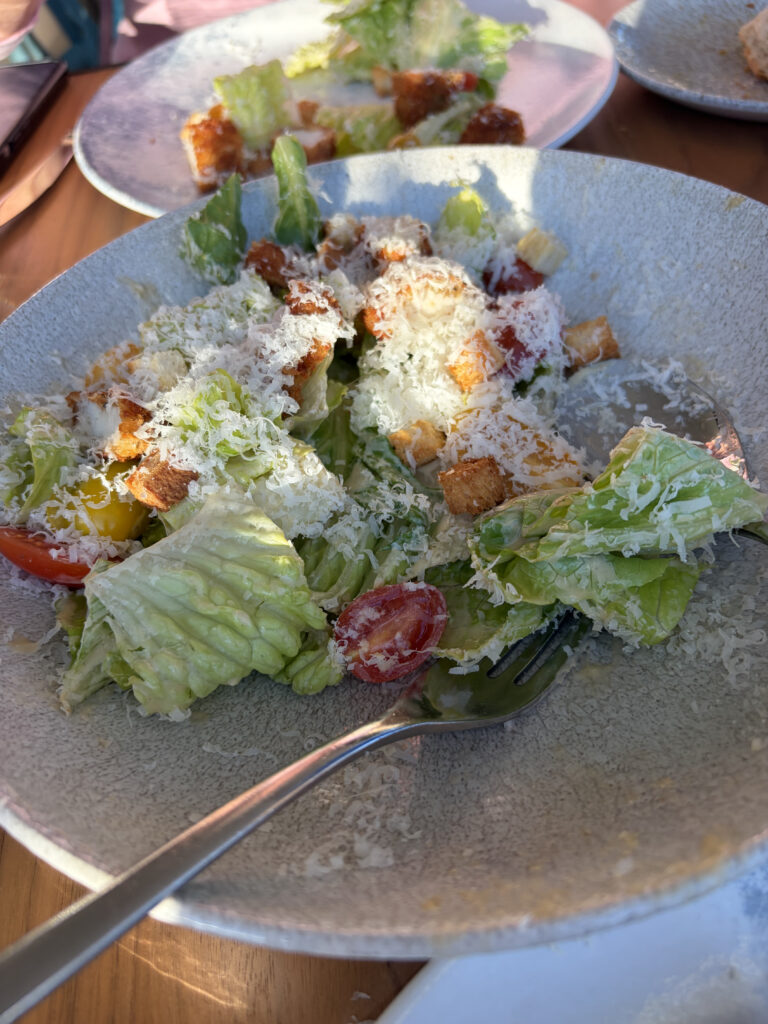
We eventually wandered out through one of the gates, hungry in that very specific way that only comes after a long walk. Found a small place just outside—nothing fancy—and ordered shrimp paella and salad. It came out steaming, that deep saffron color, the kind of dish that doesn’t need explaining.
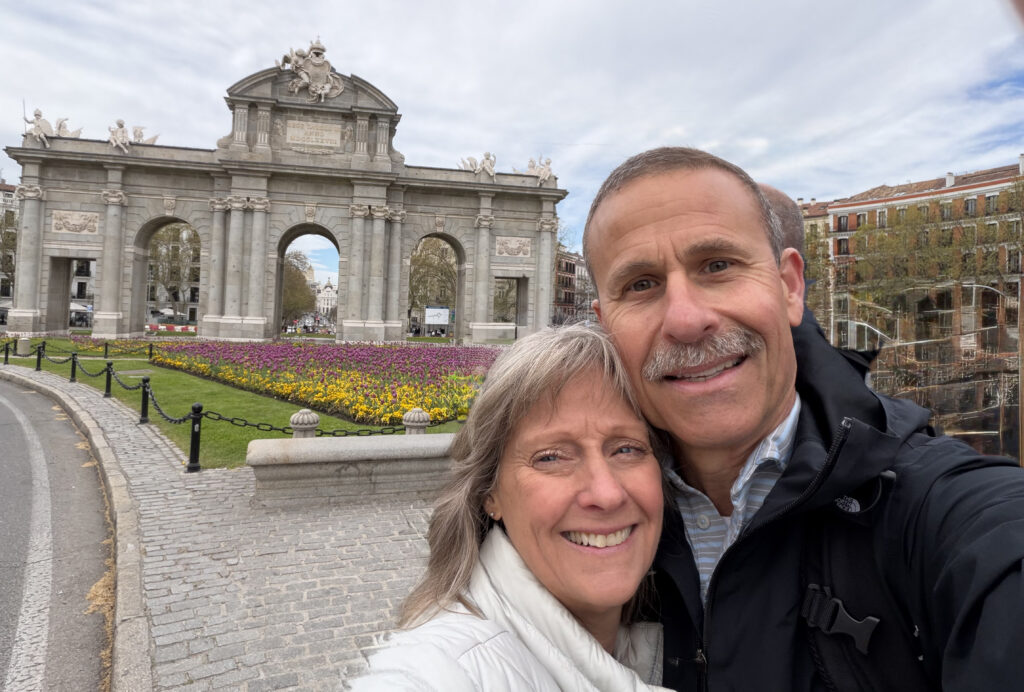
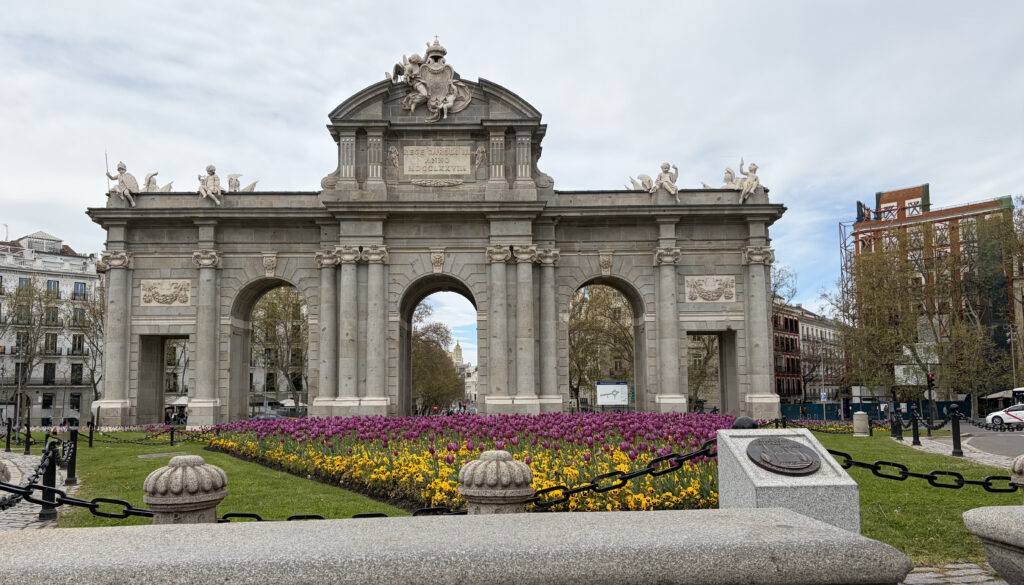
From there we looped back toward Puerta de Alcalá, standing in the middle of traffic like it has nowhere else to be. Built in 1778, it once marked the edge of Madrid when the city was still walled. Now it just watches everything move around it. Everyone crowded in the middle of two major streets to get an Instagram photo.
The afternoon blurred into wandering—through the Salamanca District, into shops, out again, Kellie pausing at a vintage rack here, a window there. One of those stretches where you stop checking where you are and just keep going.
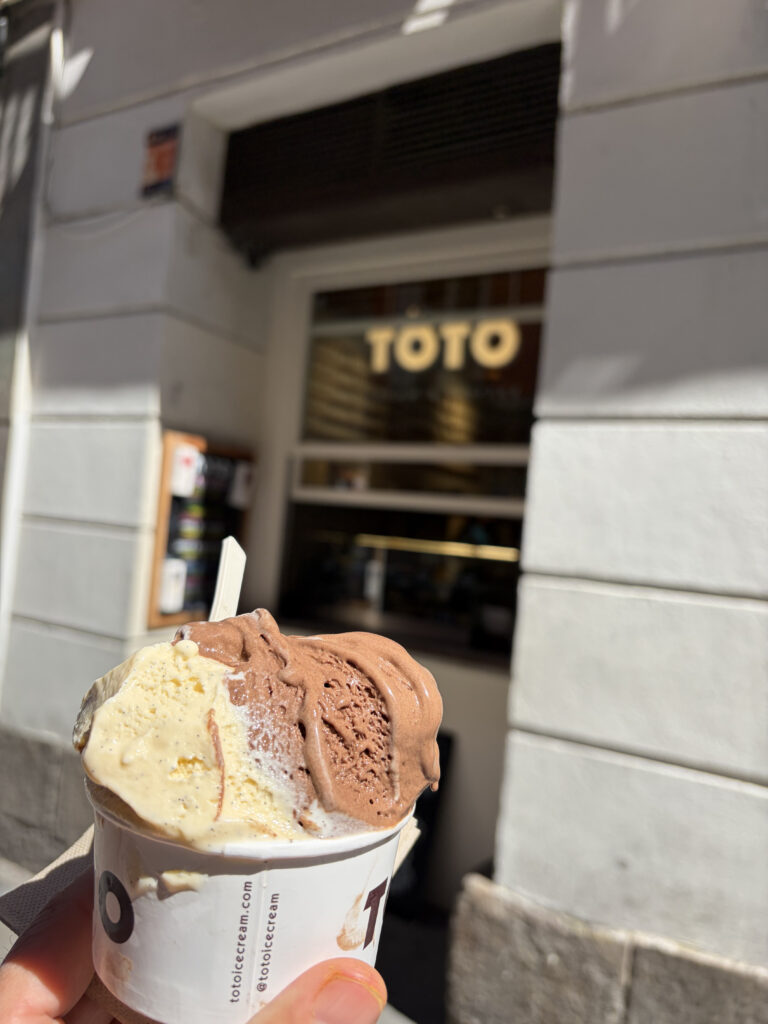
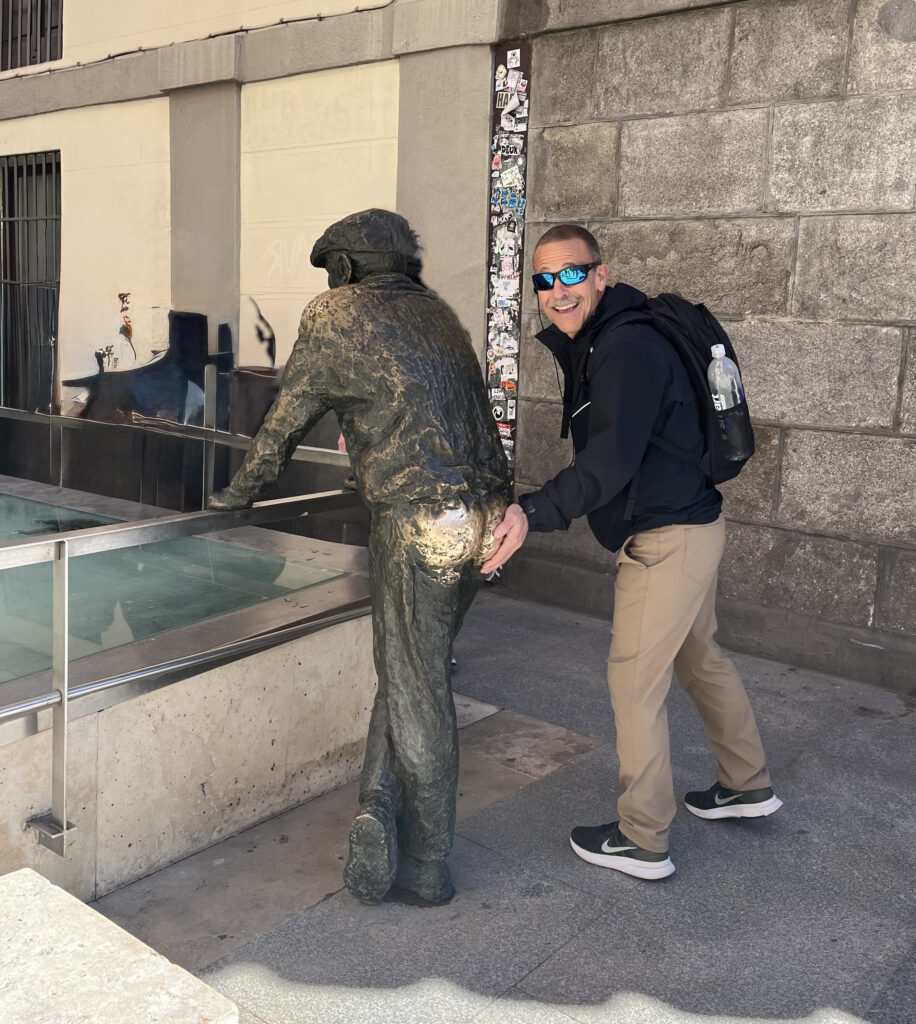
It was louder now than the day before—shoulder to shoulder, that low hum of voices layered over clinking glasses. We grabbed a small standing spot at one of those half-table, half-ledge setups and ended up sharing the space with three travelers about the same age as our kids. One from Denver, one from London, one from Madrid. No big introductions—just that easy, temporary camaraderie that seems to happen in places like this. We were there with people just starting to build their own stories. Same energy, just different chapters. Traveling and meeting new people is a great experience, adding to your own.
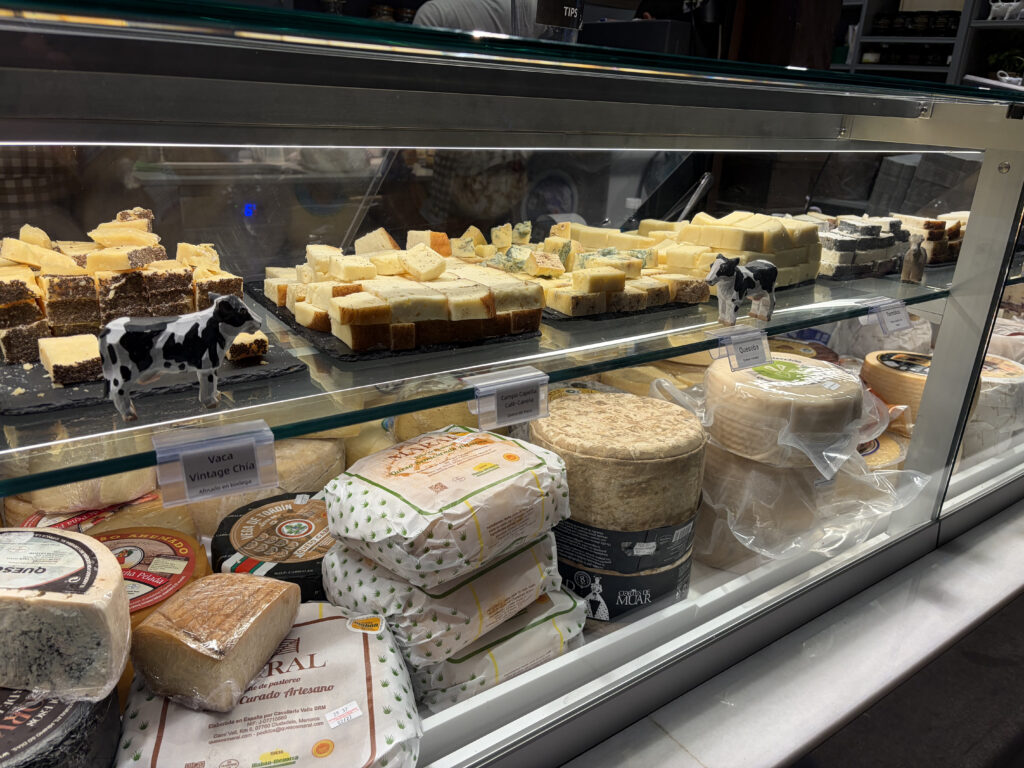
When we stepped back out, the city had shifted again. The streets were full—crowds moving in a slow, steady flow, something more than just a busy night. It was Easter Sunday weekend, and Madrid was leaning into it. Not loud, a little chaotic—just full. Families, groups, people dressed a little sharper than usual, the occasional procession threading its way somewhere deeper in the city.
We walked back through it all, letting the current carry us. No rush. Just the sound of footsteps, conversation, and the feeling that we had landed right in the middle of something we didn’t plan—we chose to bail on it and call it a night:)
Comments (1)
How lovely! Thank you for walking us through all that history and beauty. 🇪🇸