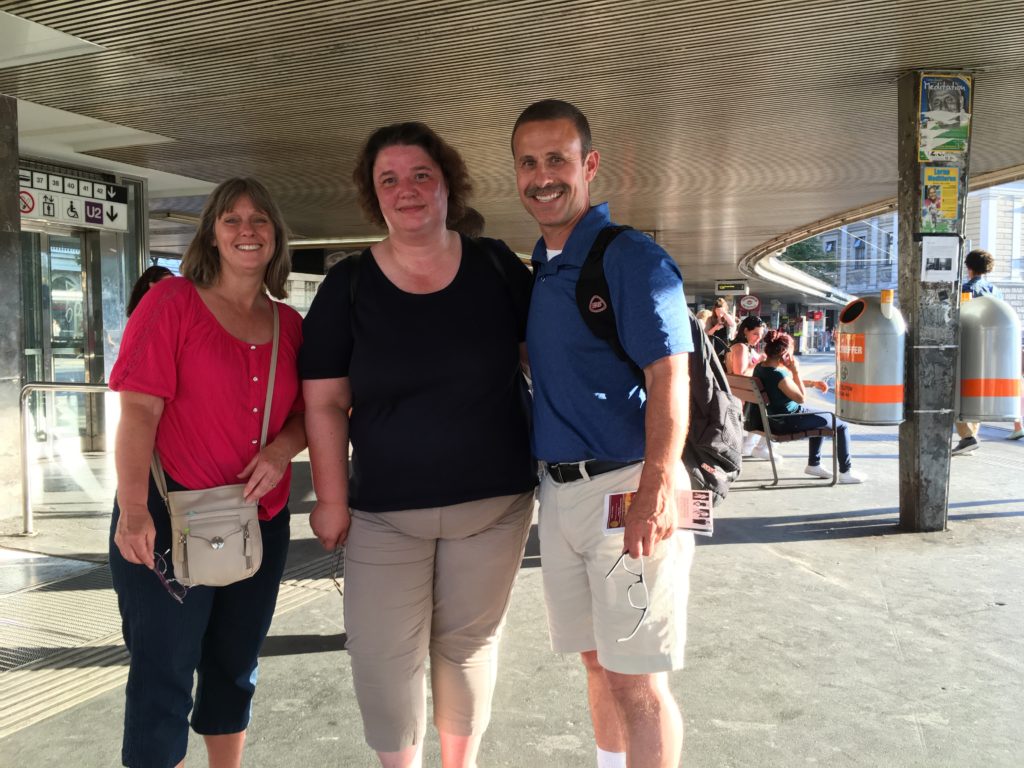
What a great day of learning and seeing the city of Vienna. I inadvertently came upon a tour program here called ‘Vienna Greeters’. It is a program started by one man who wanted city dwellers to take visitors around their town and show them the best of what they know. We got lucky and had Irene show us around, her English was just the right Austrian/Germain accent to make us feel immersed in her city yet clear enough to never struggle to understand her lessons.
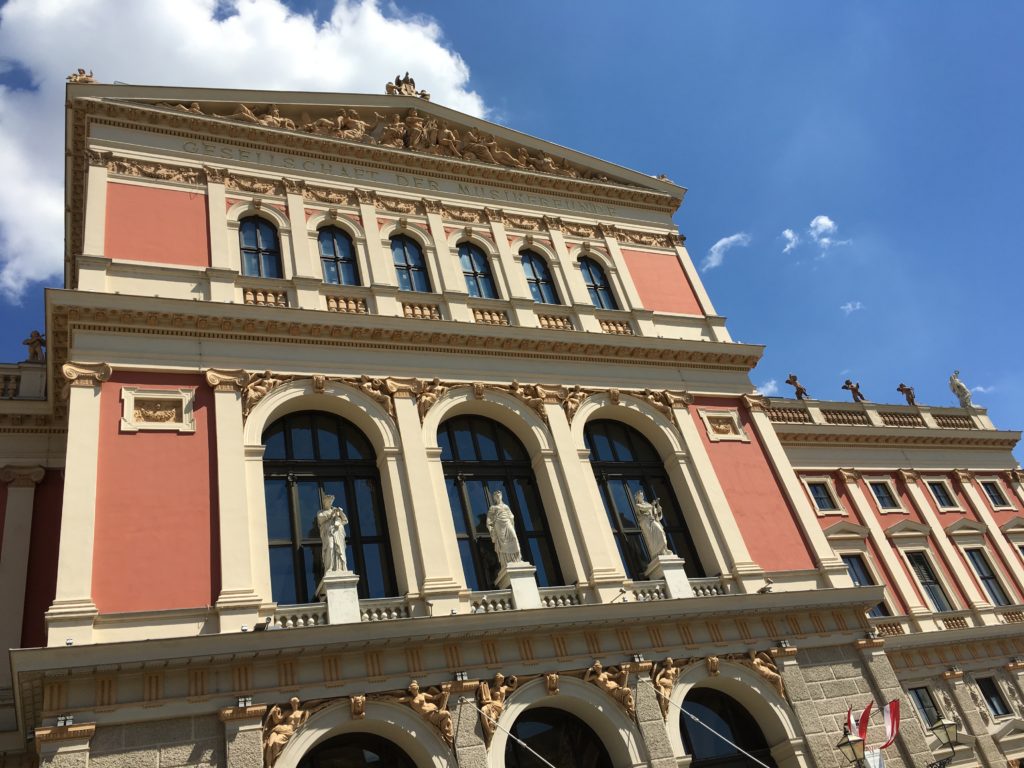
The Ringstrasse is a loop that Emperor Franz Joseph I created after the townspeople became restless with crowded spaces and grew to an uprising. Being the intelligent and fearful leader that he was it was decided to tear down the town wall to create this circular grand loop. New buildings in the 1860’s were erected as gifts from the Emperor to the townspeople, it was their money, but it kept the peace. While all these embellishments were happening he was building himself a new fortification as well for the military. It could go from the fort to the Palace within ten minutes in full armament, the design of the Ringstrasse with the oversized streets was not by mistake.
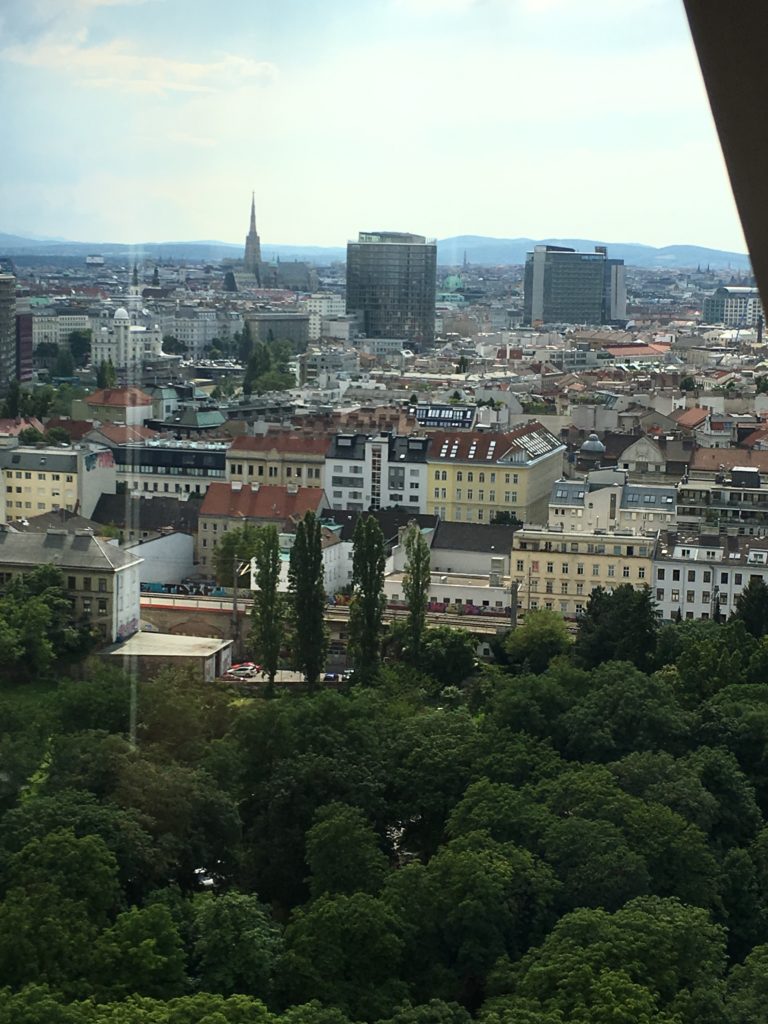
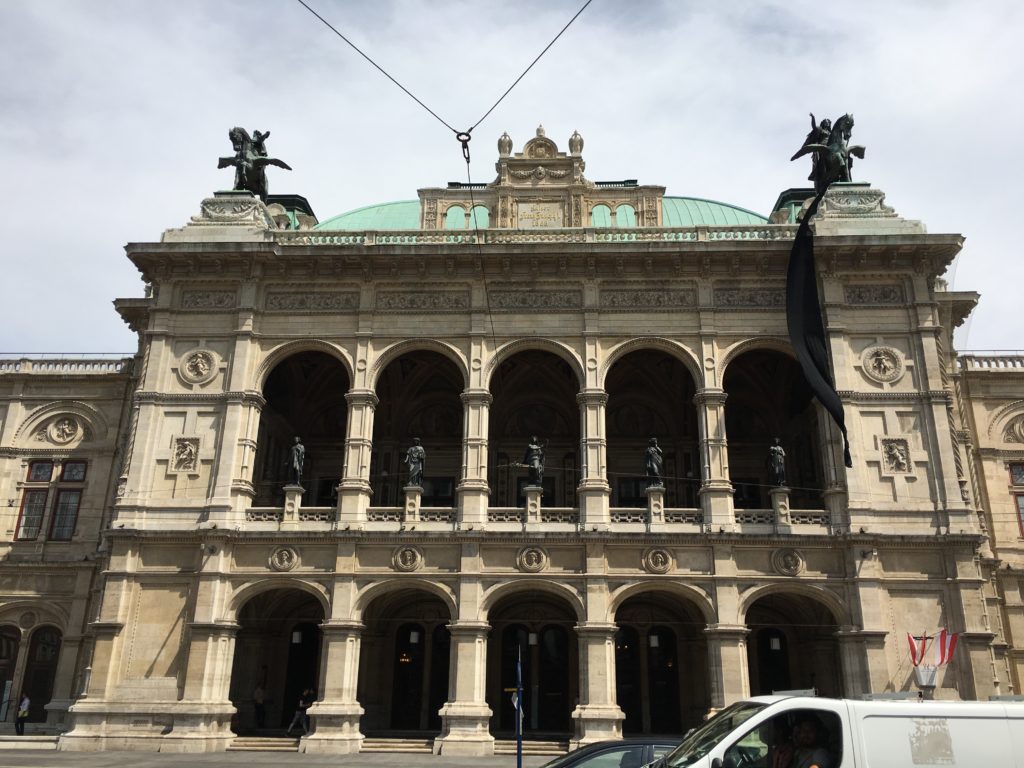
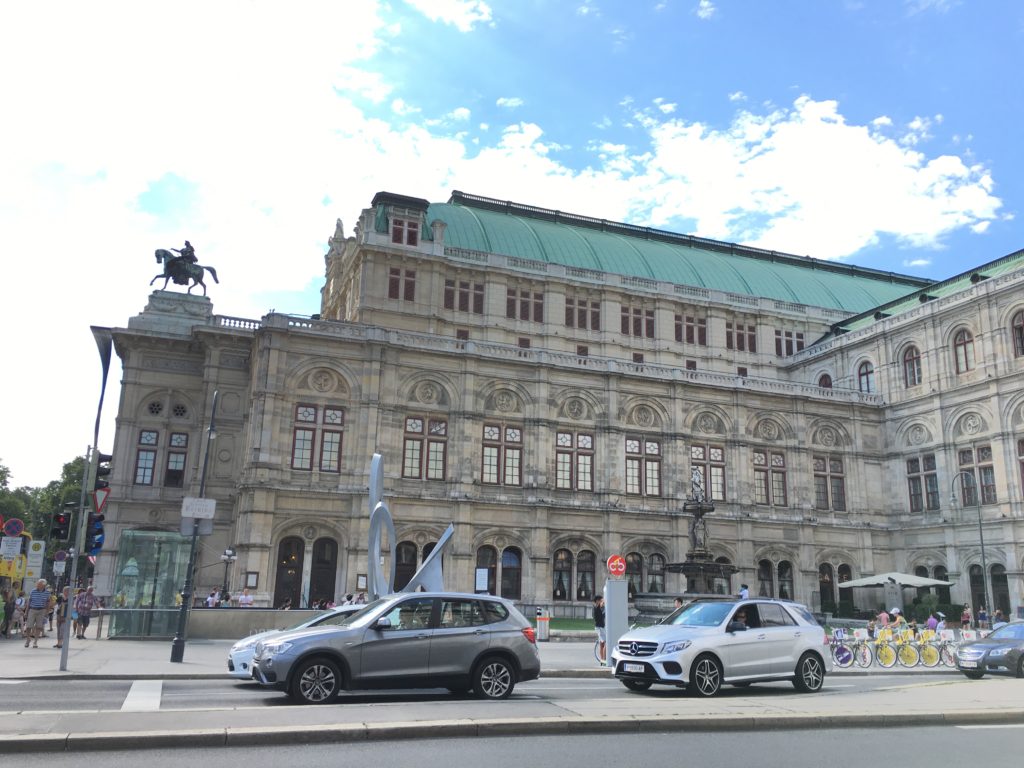
One of the first buildings in this famous musical city would be the monument to music,the Vienna Opera House. Mozart wrote The Marriage of figaro here as well as being the birth place of the Waltz.
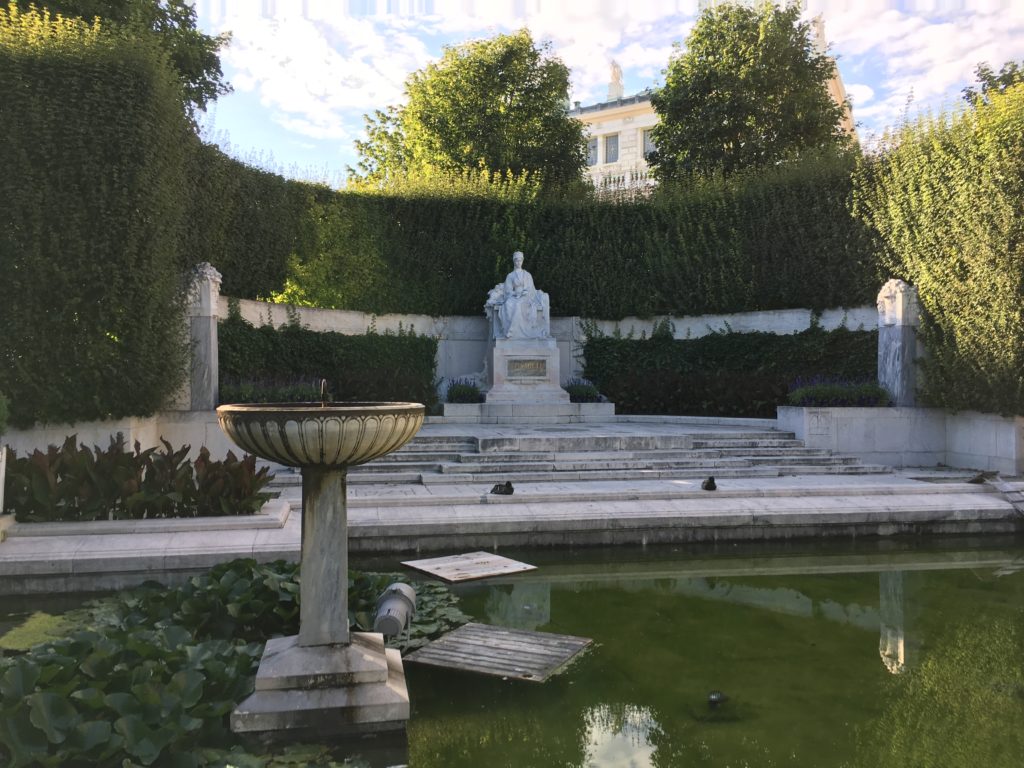
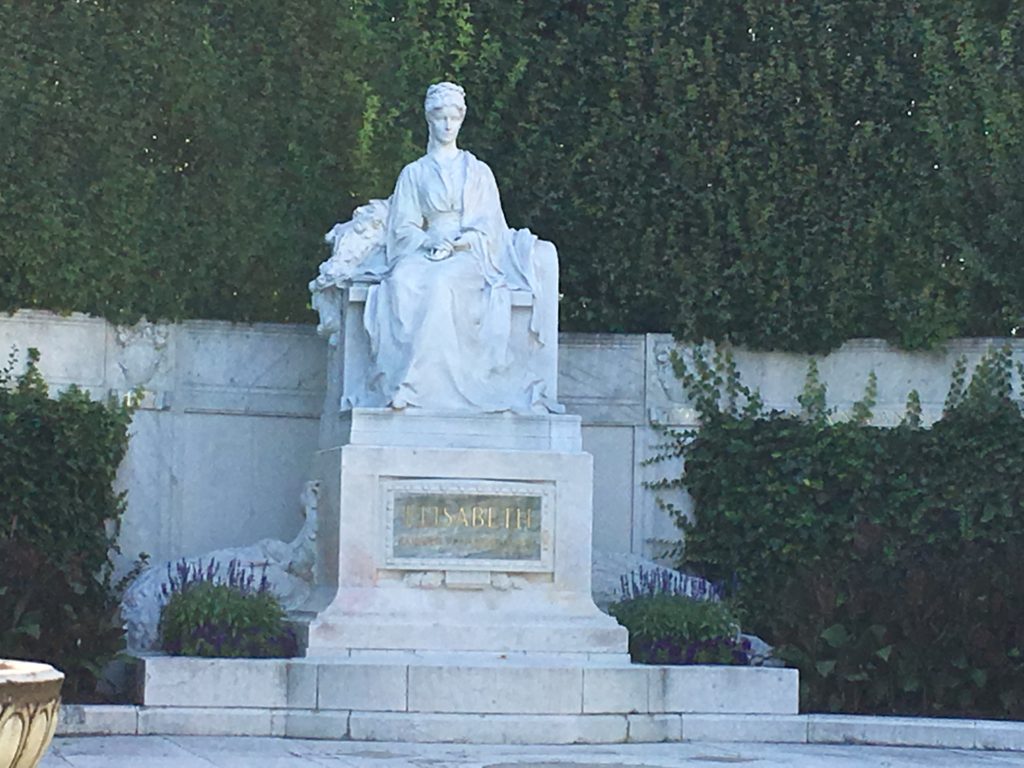
The Castle Park was also part of the Emperor’s “giving” to the public. It was carved out of the original Palace Gardens in the 1860’s, leaving the Paradise Royal Gardens to the elite. A quiet place in this public park is dedicated to the beloved Princess Elizabeth. Her story is akin to Lady Diana of recent times, being a youth wife to a stoic and uninteresting Emperor. He was very sensible which made him unattractive to her as she grew. He adored her and upon her death erected this monument to her, creating it as a young Princess.
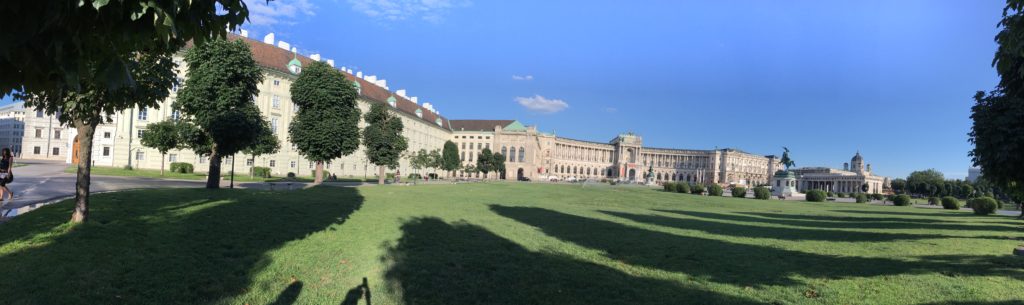
The Sacher Hotel and Cafe gained notoriety due to its location. Situated adjacent to the Palace meant that those who stayed there and yet dined at the Palace would be able to return for a meal. You see when the Emperor would invite you to dinner, you would sit according to your ranking in society. The most important and upstanding officials and townspeople would sit closer to the front, getting served in order. Unfortunately the dinner would conclude as soon as the Emperor would set down is fork. You may have just been served and would therefore go hungry if it were not for the Sacher Cafe located in your hotel:)
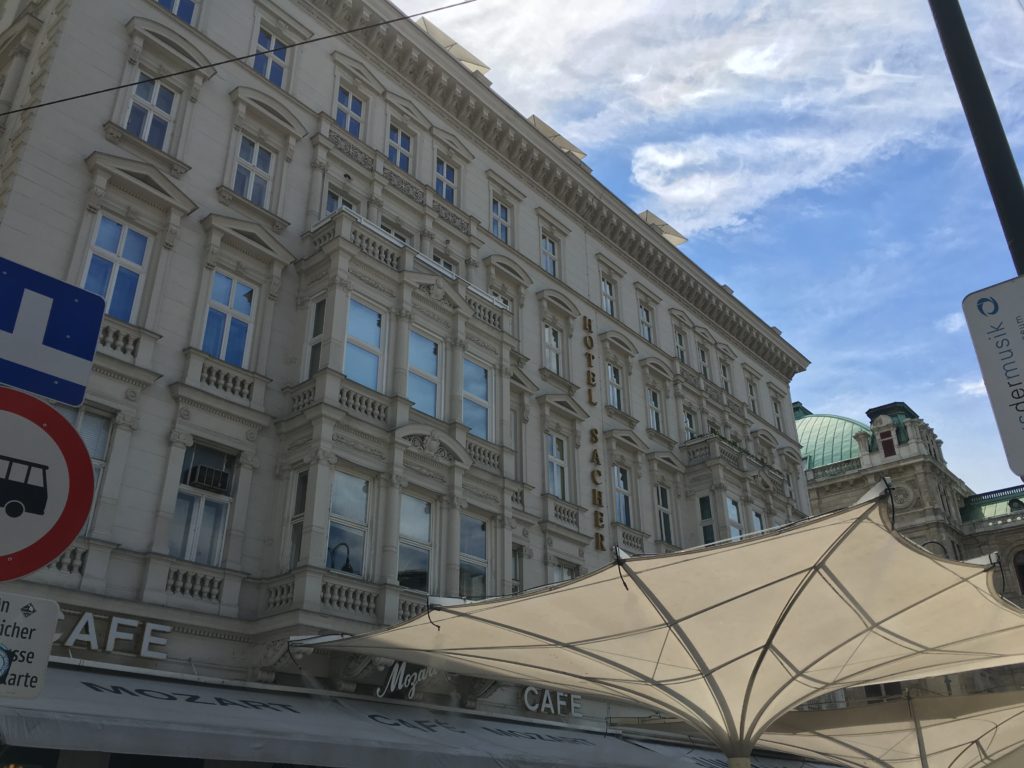
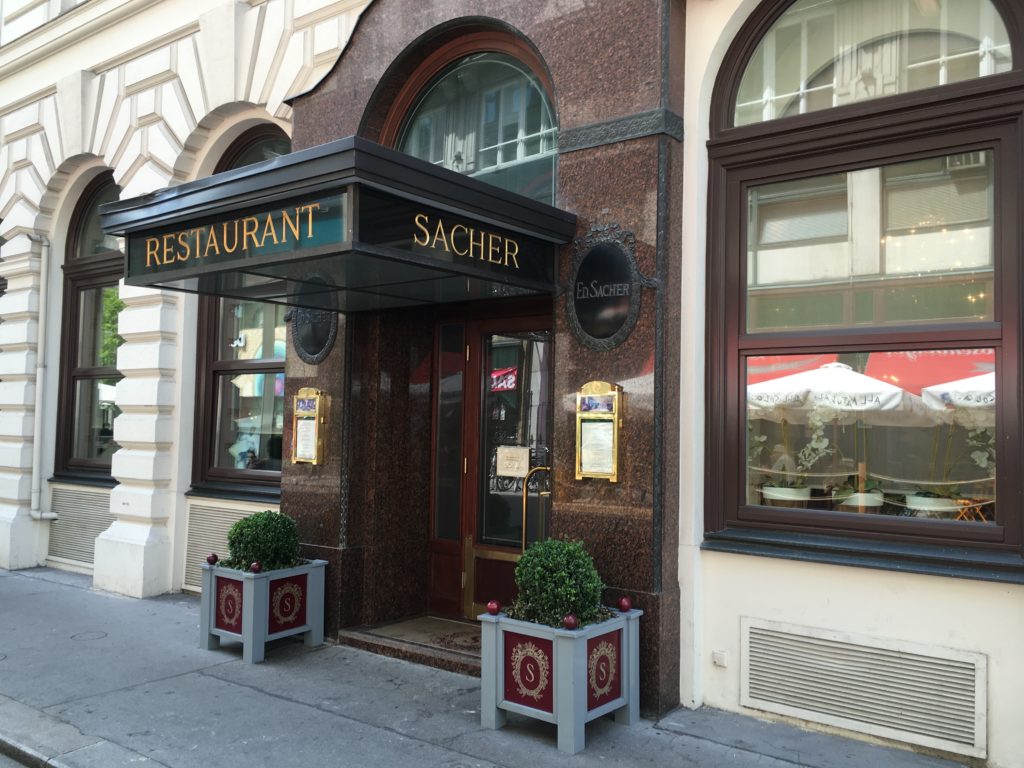
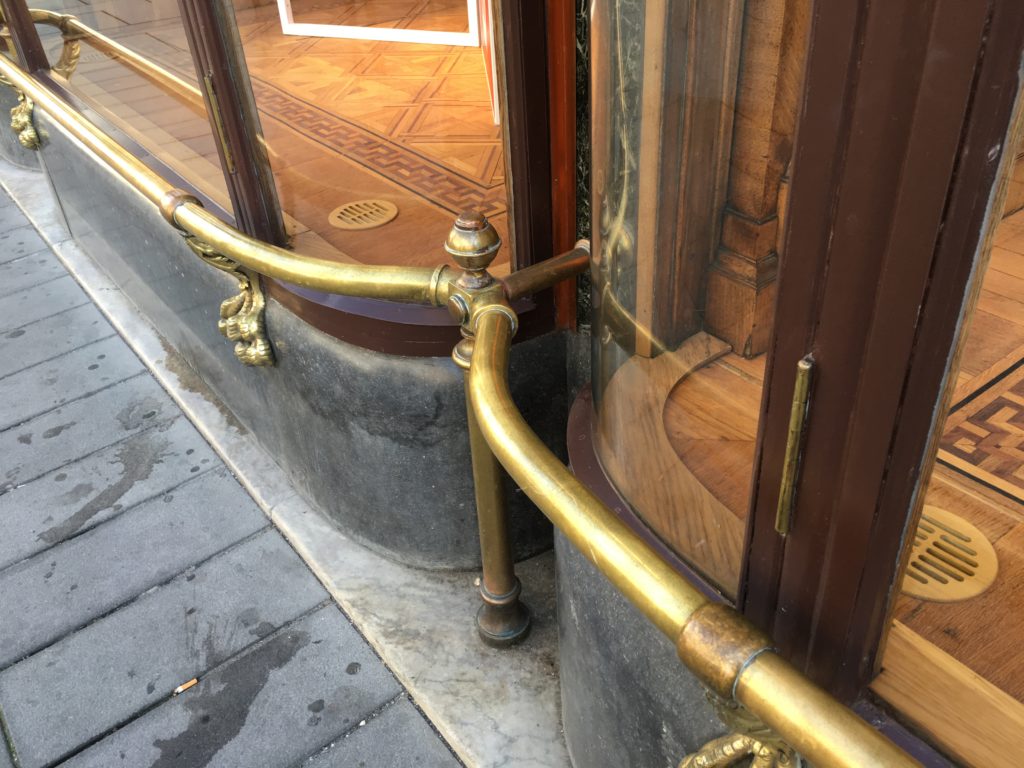
They too have a world famous cake, I’m not buying it nor is Starbuck’s. Vienna is a popular coffee house location as well. You sit for as long as you want extending your conversations until asking for the check unlike America where as soon as you stop eating or drinking you receive your check and the opportunity to leave.
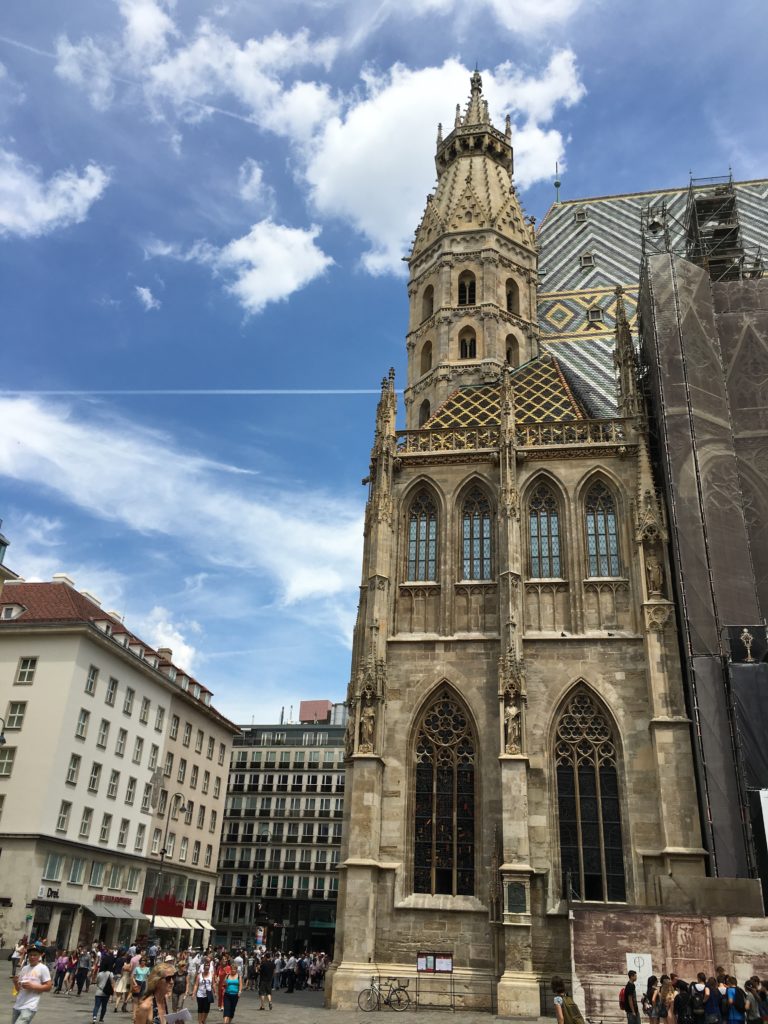
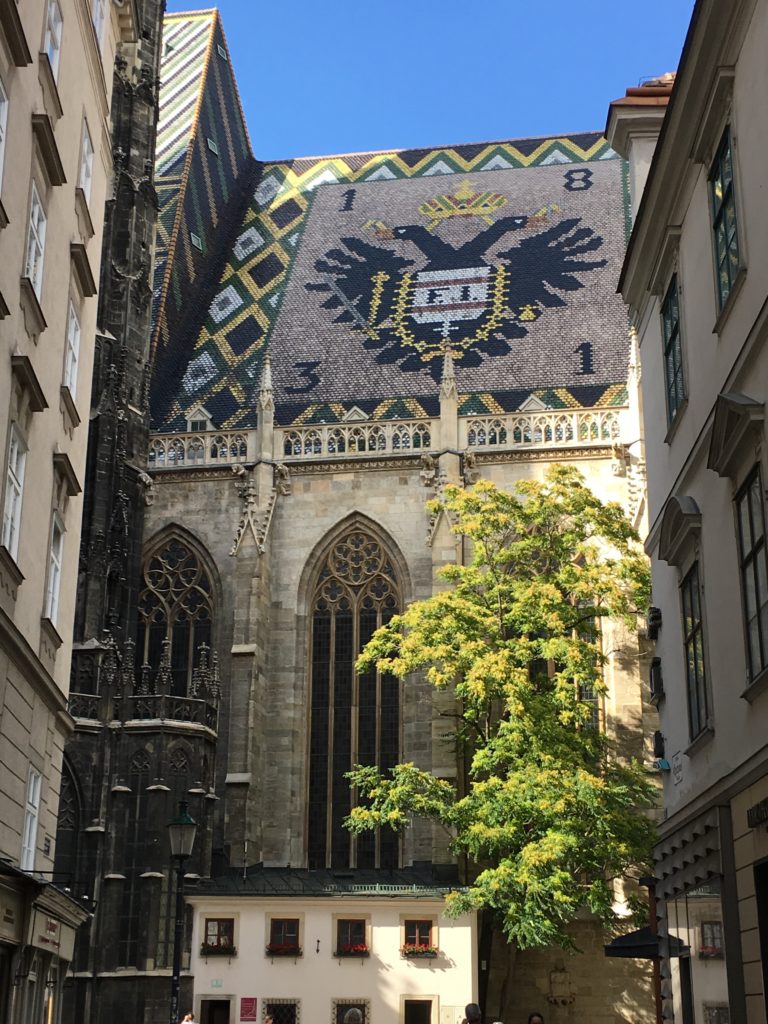
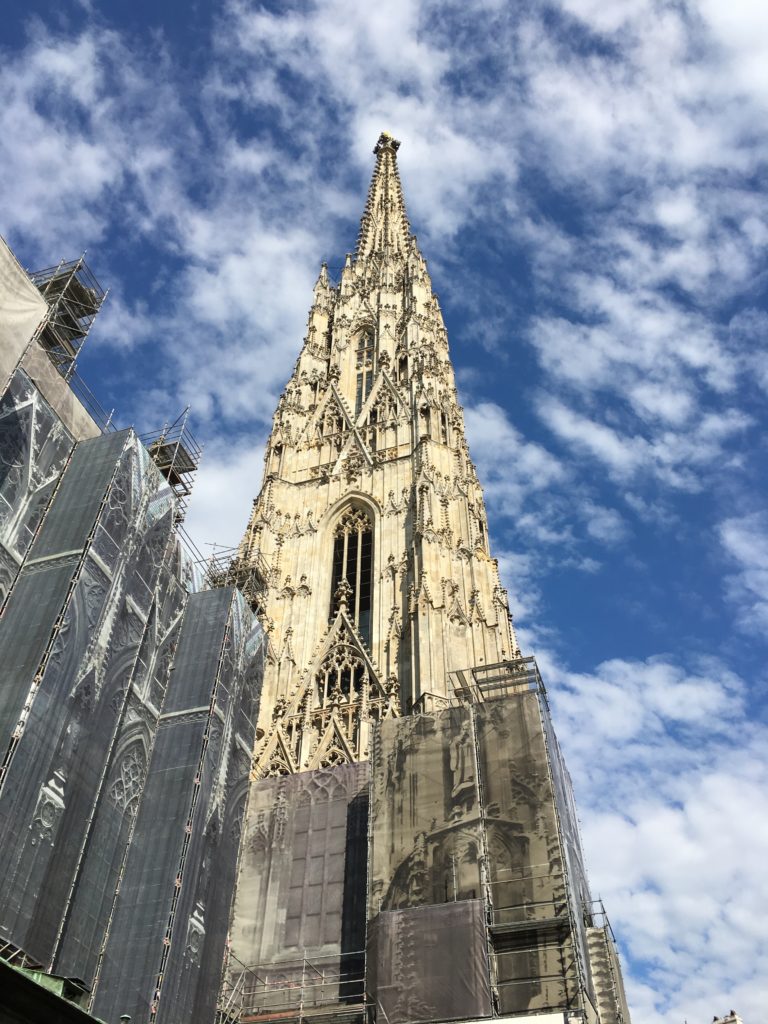
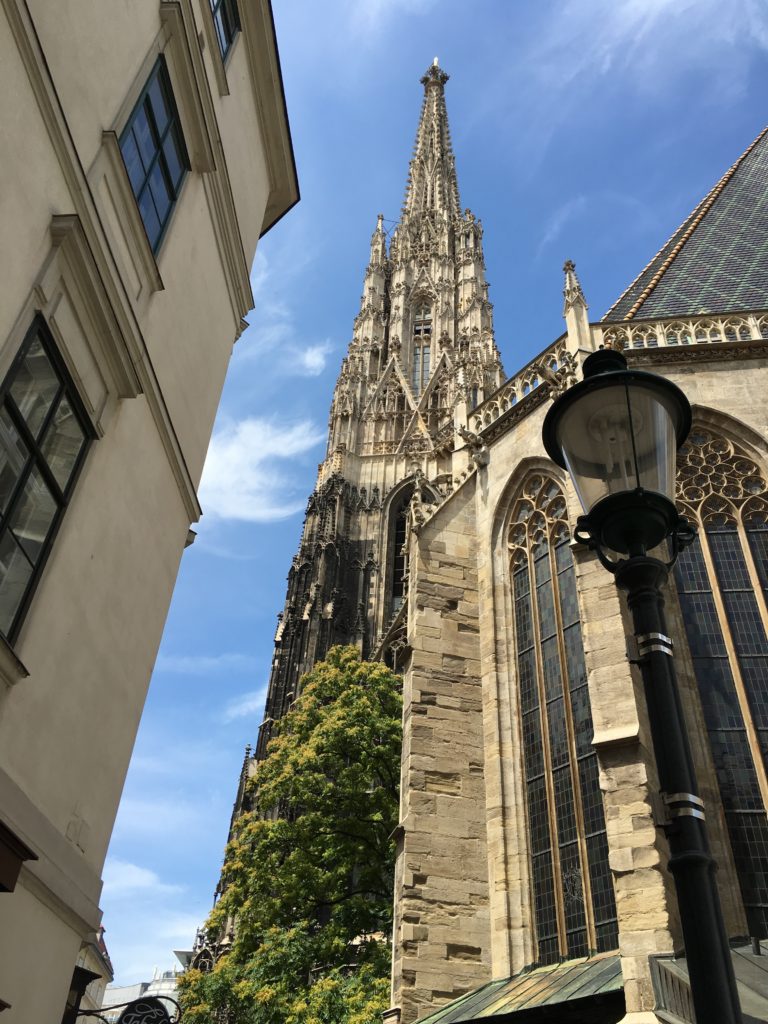
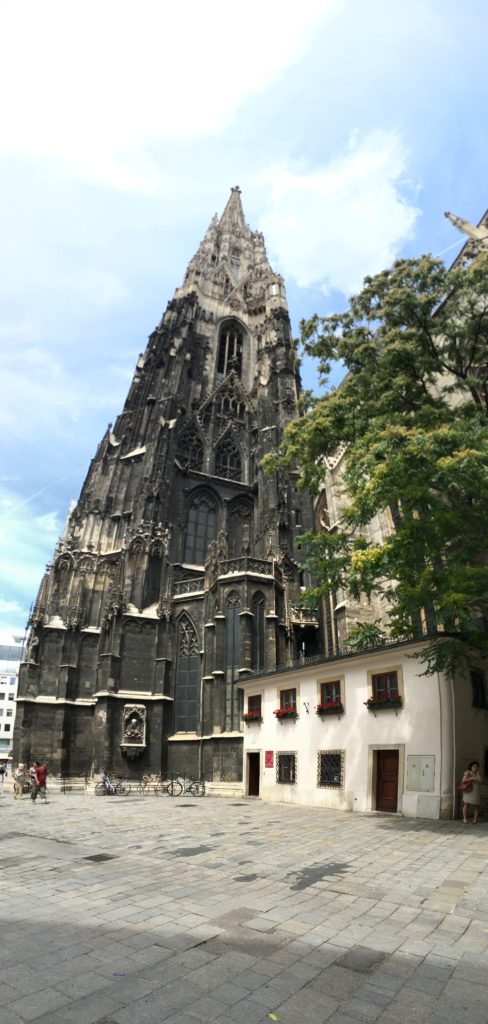
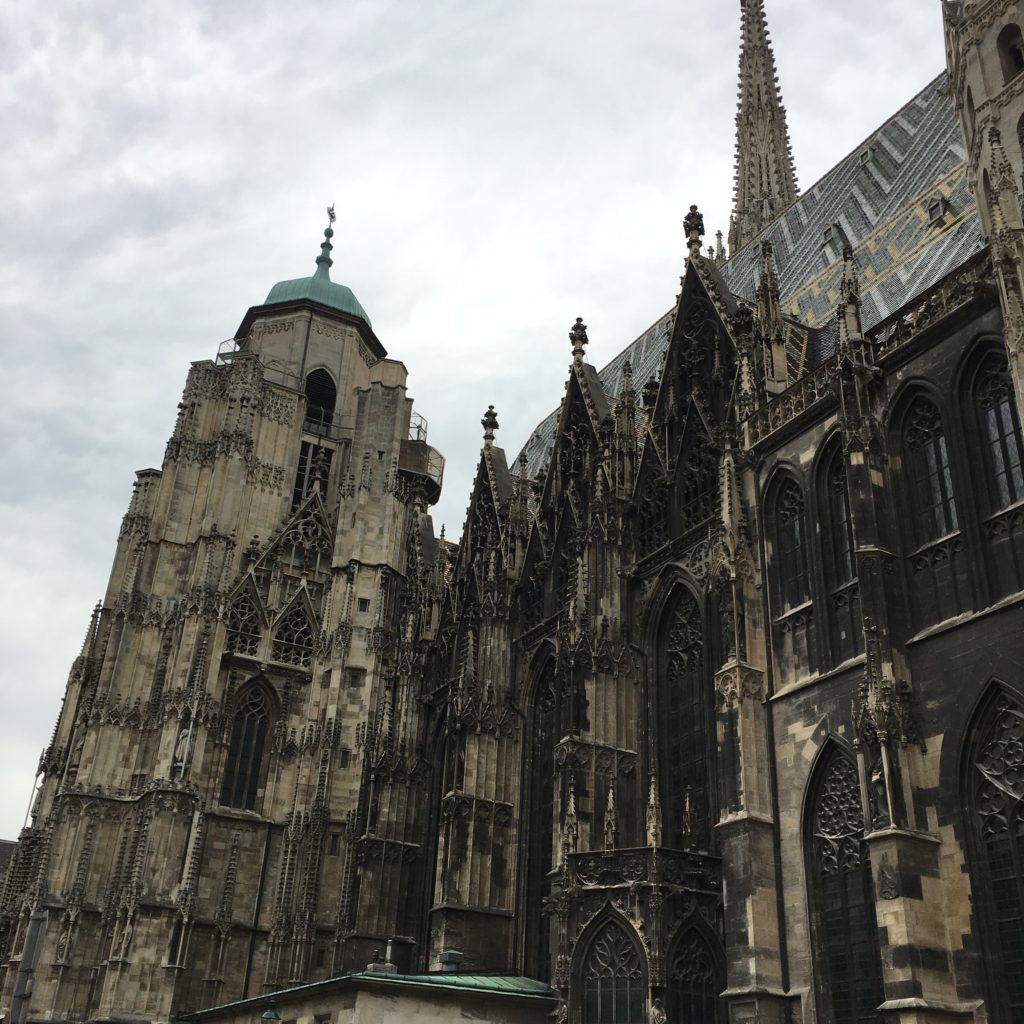
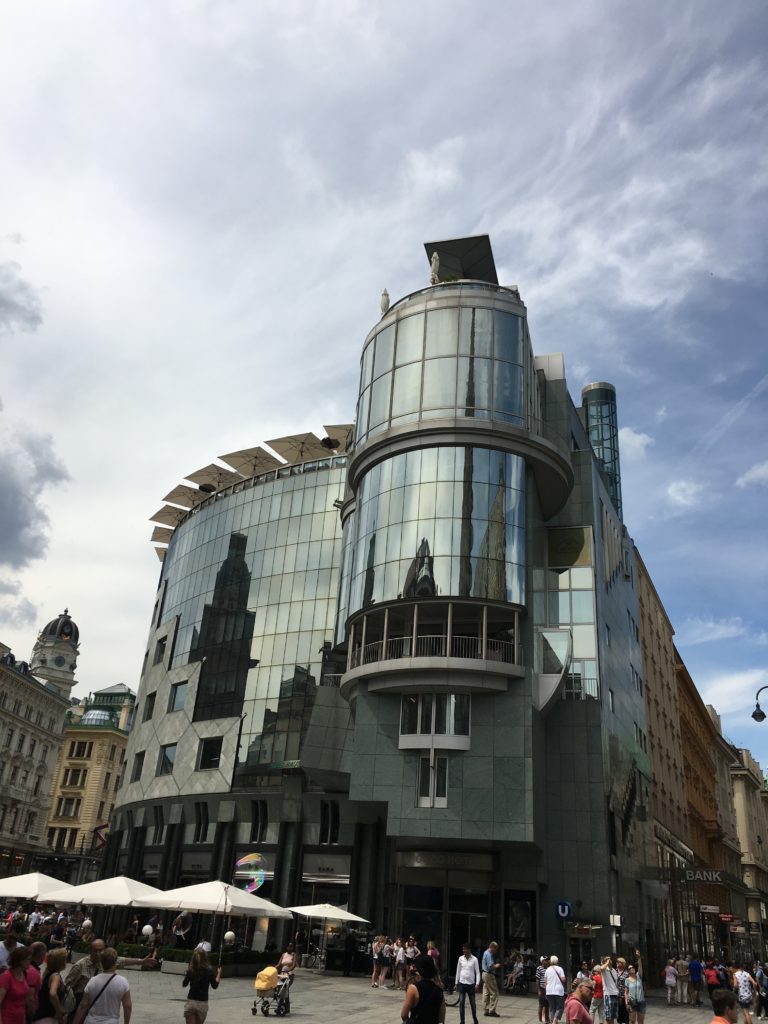
St Stephen’s square is the combination of old and new. The massive Gothic-style St Stephen’s Church began construction in 1137 across from the 1990 Haas House with its flowing curved glass walls. The new does not come without controversy and arguments. Many want to progress others want to maintain the UNESCO flavor of central Vienna. St Stephen’s Church took over 800 years to build. According to the plans it was not completely finished due to the fact that over the years styles change, Arch Bishop’s change and the needs of the people change. Building needs to be on a timeline so that it fits the attitudes and ideals of the current population.
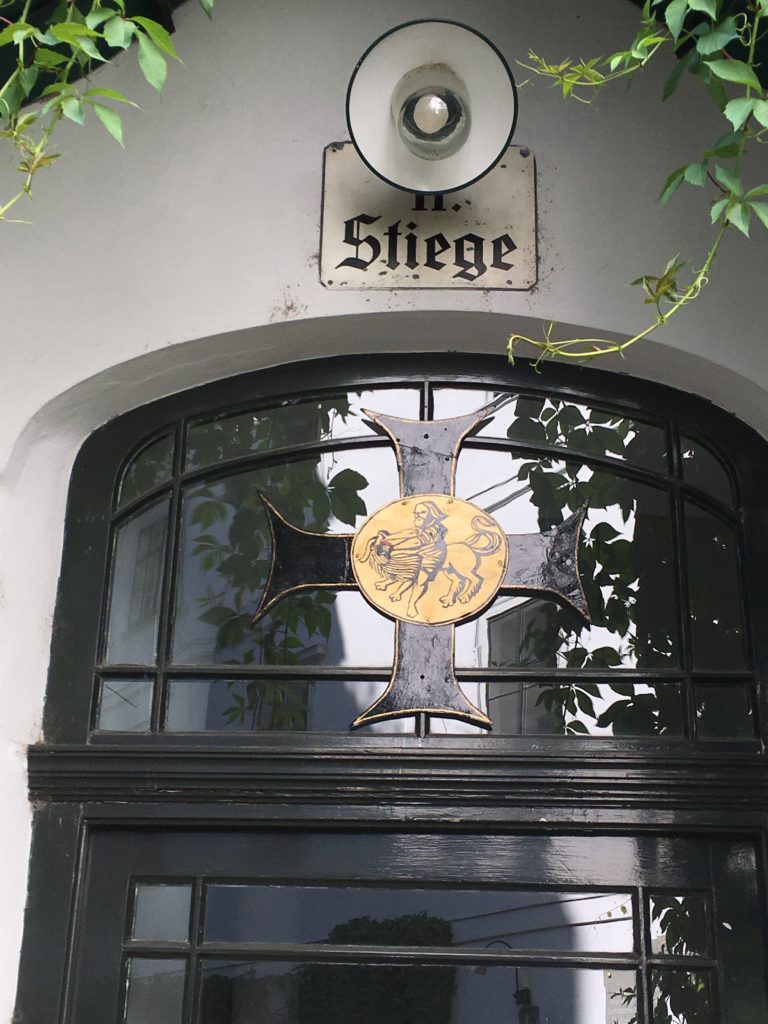
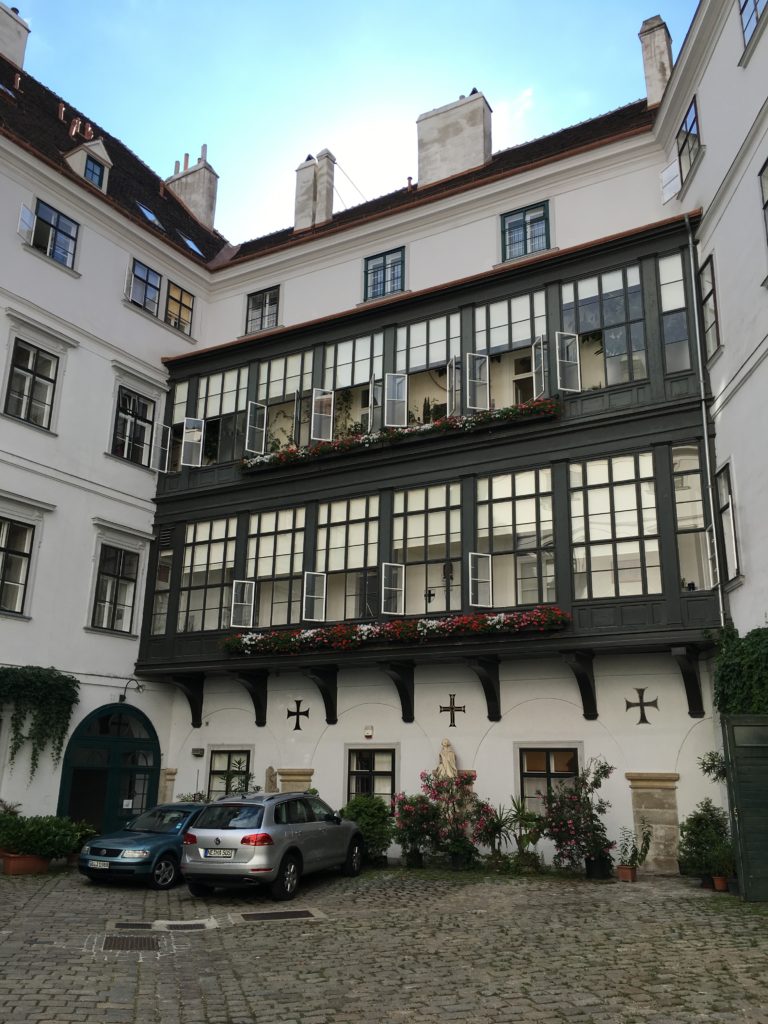
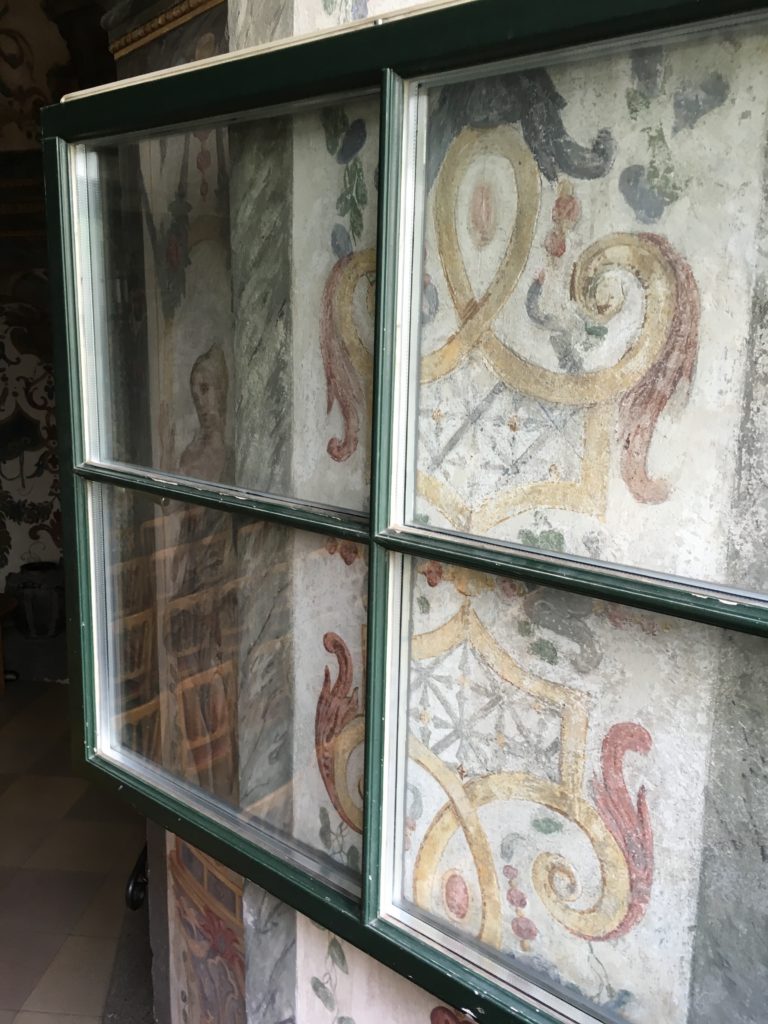
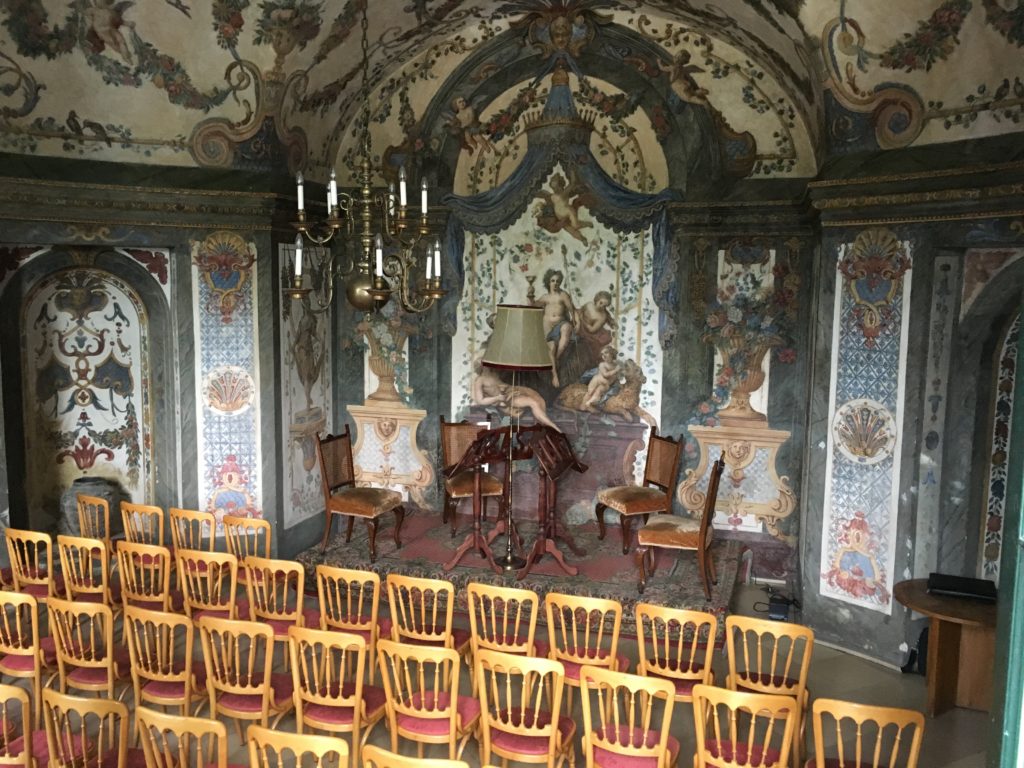
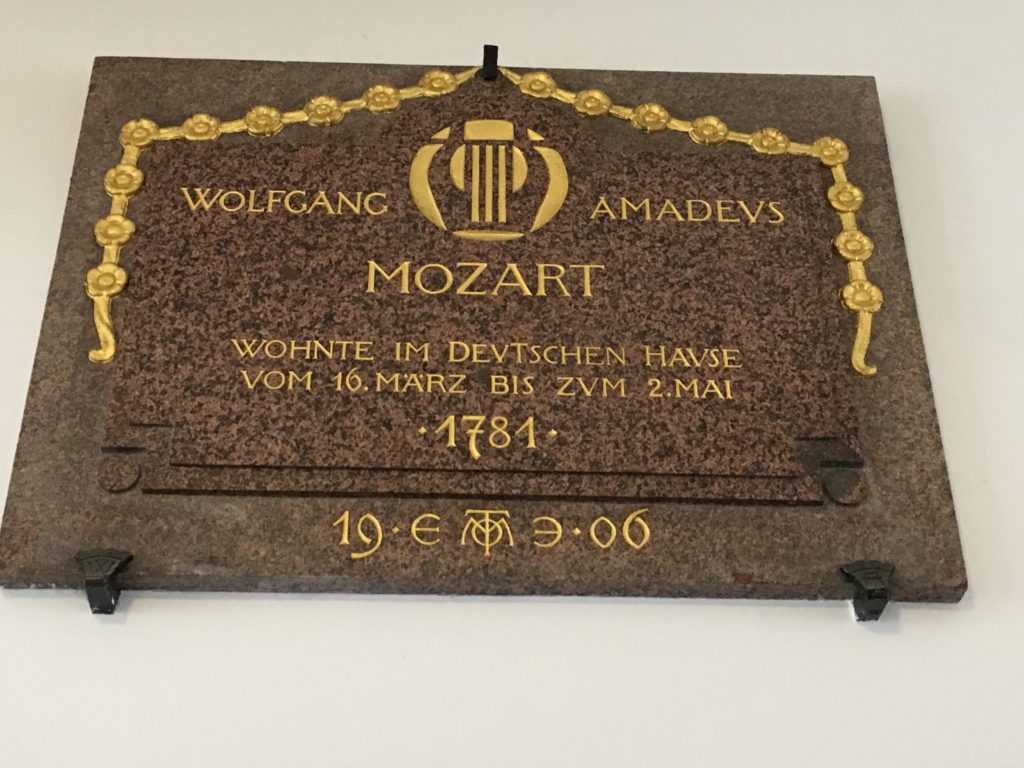
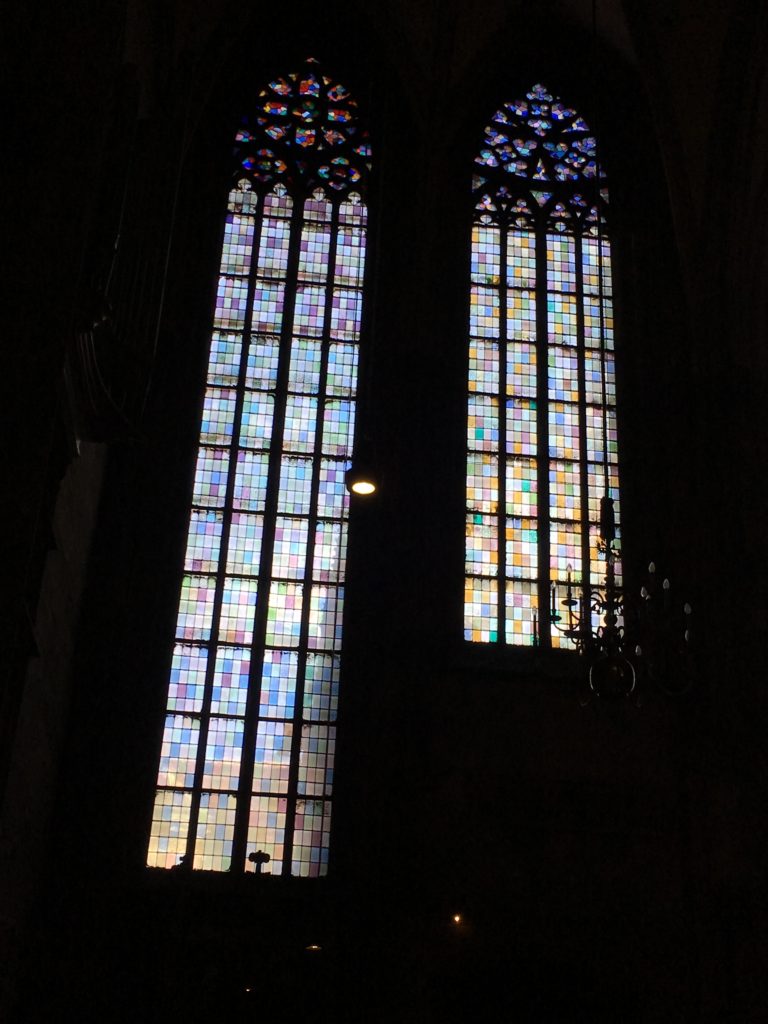
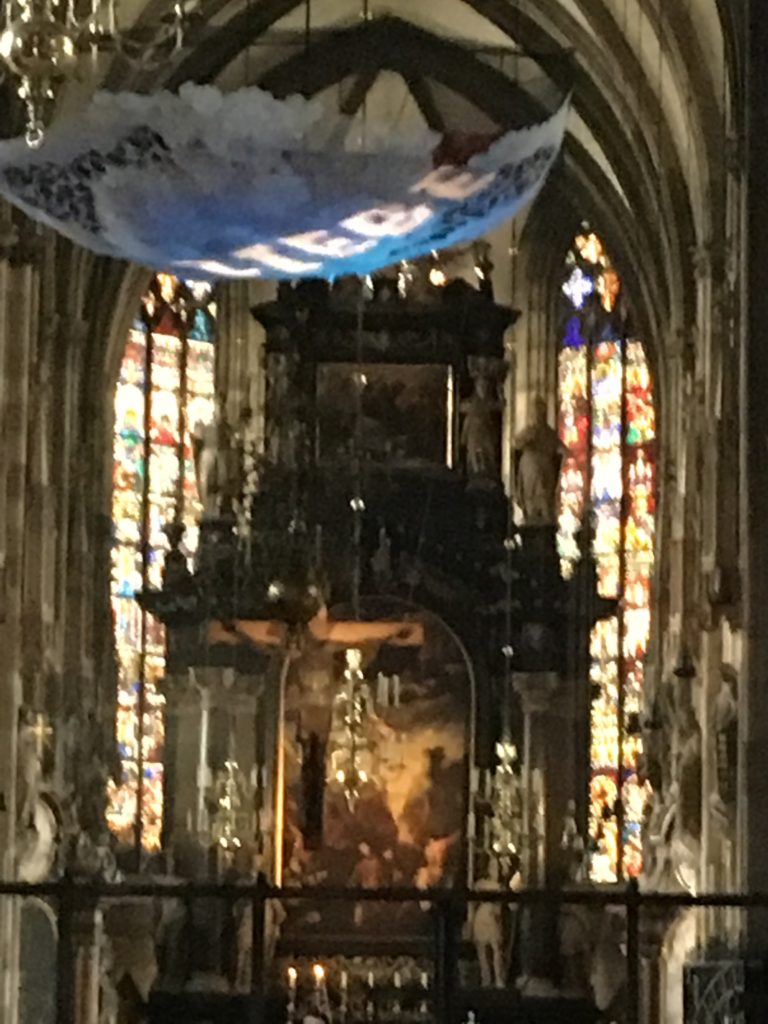
Mozart was married in this church as were other famous Viennese, his funeral was also held here in 1791. During WWII the stain glass was removed to salvage the historic colors and cuttings. The allied bombing took out this location so you will see that only the main alter area has original stained glass from the 1400’s.
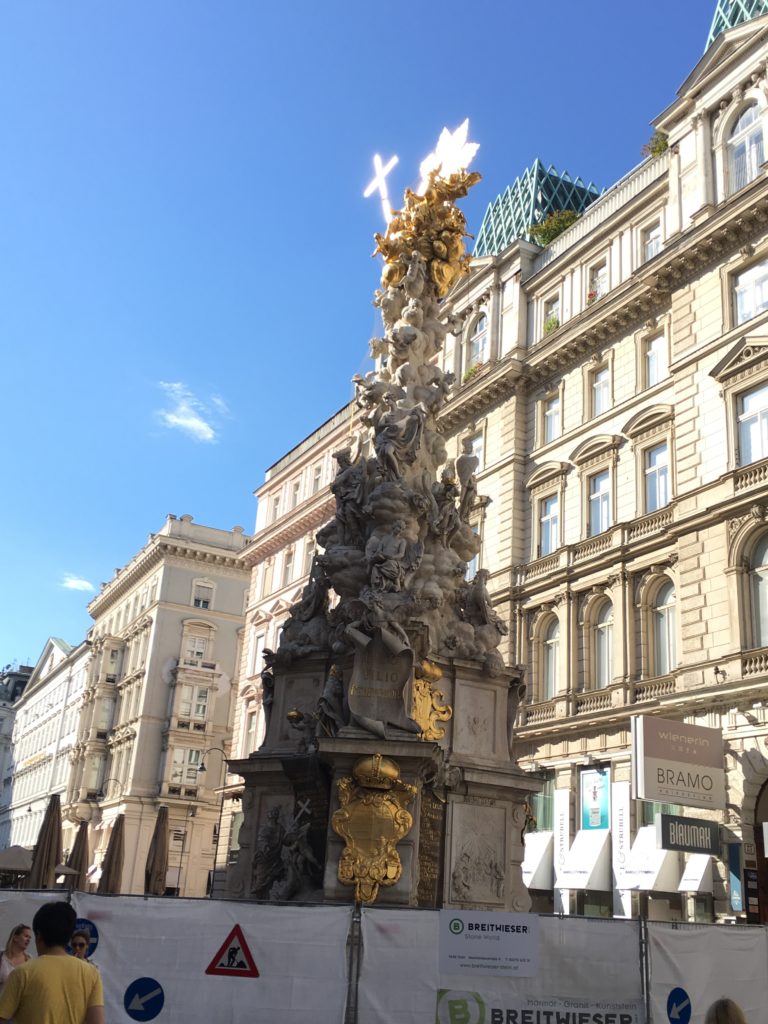
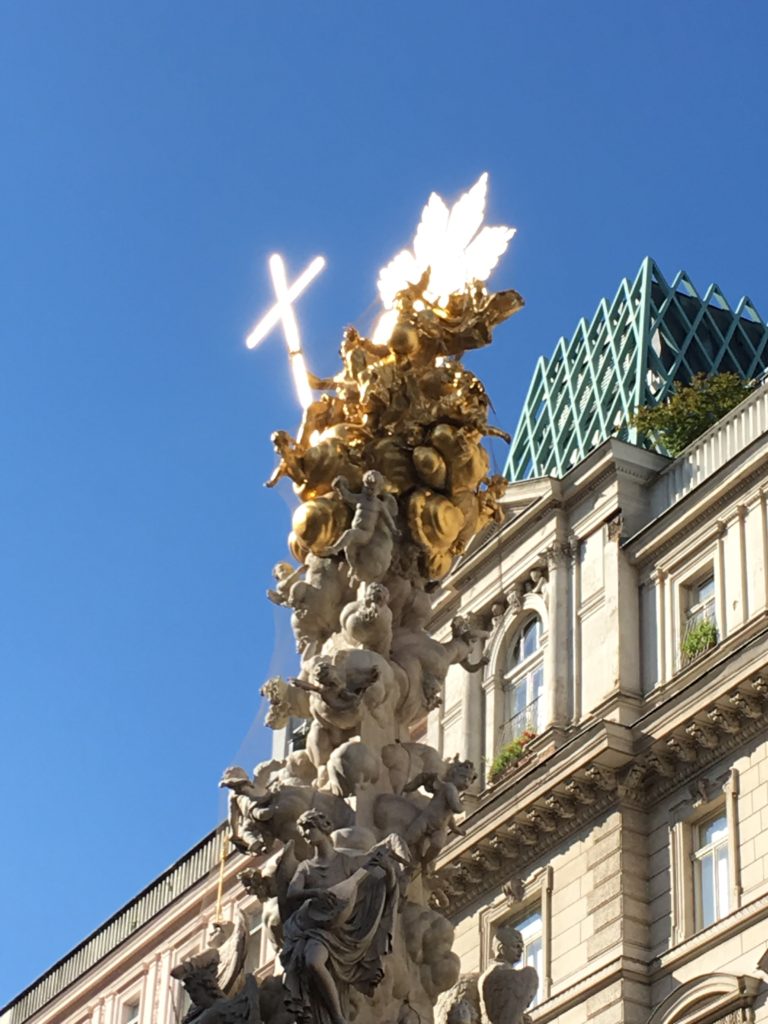
During the dreadful time of the Black Plague taking over thirty percentage of the Viennese population, these beautiful ornate columns were dedicated to the gods for saving those who remained and hopefully protecting them from the inevitable return.
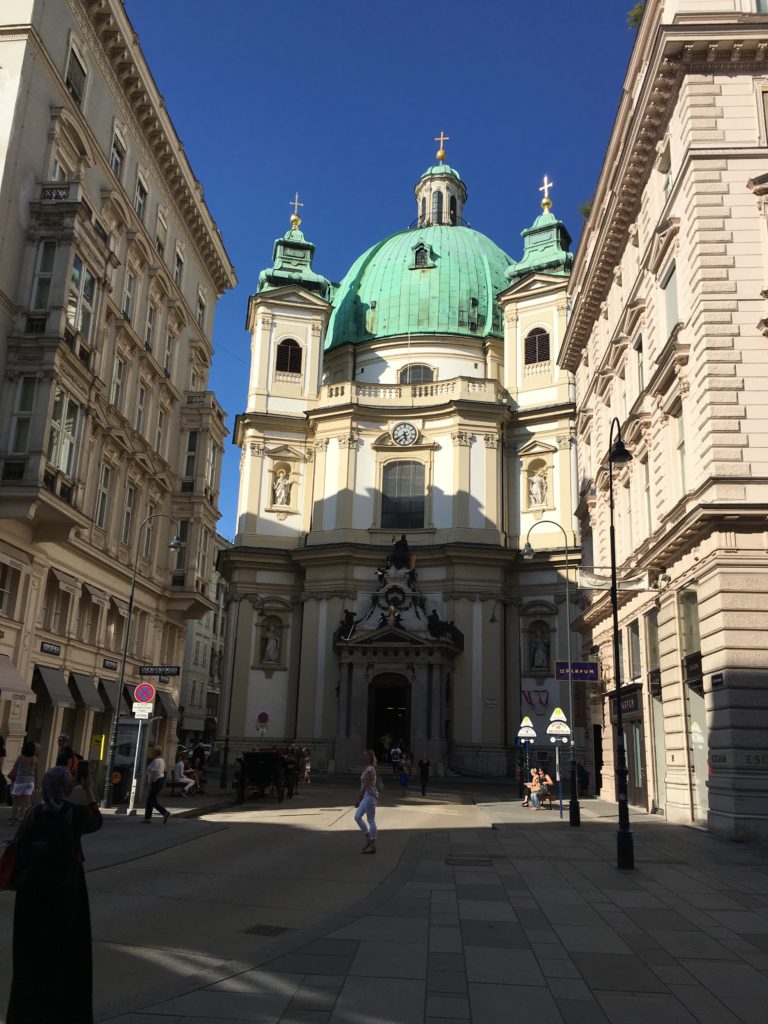
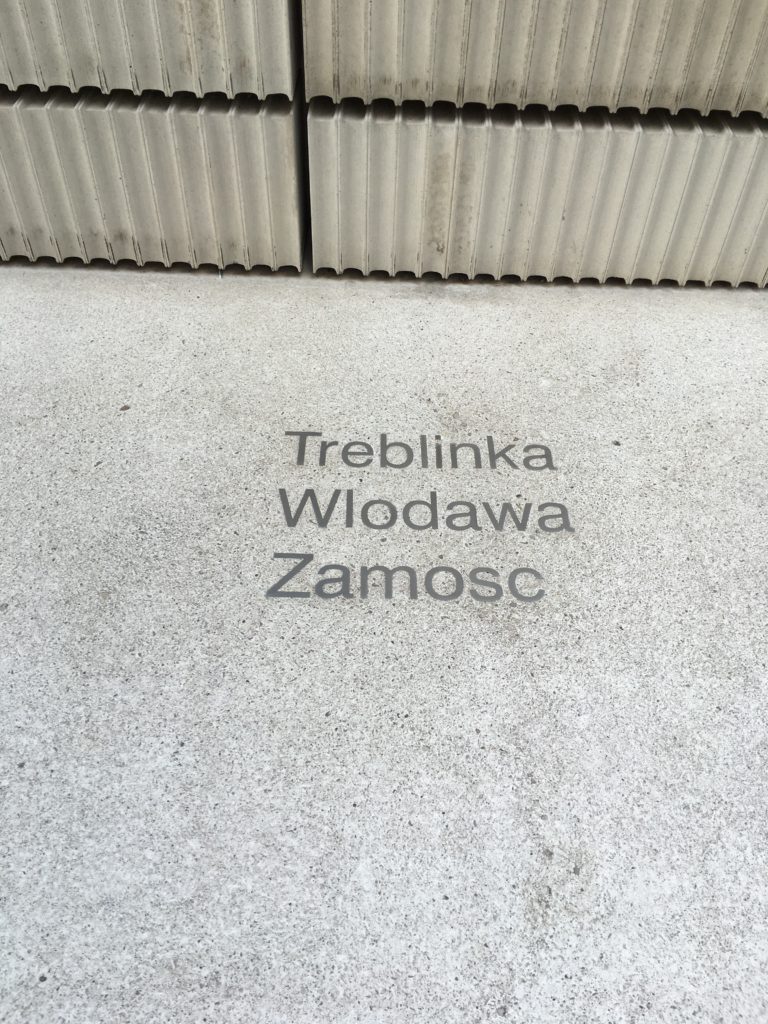
Death occurred here by humankind. The Jewish population was confined to this quarter and then led out to camps on trains leaving very few remaining to rebuild their heritage. The two monuments placed here are that of books facing out, giving you the sense to read the stories of those eradicated as well as a famous writer and poet who penned the plight of the oppressed.
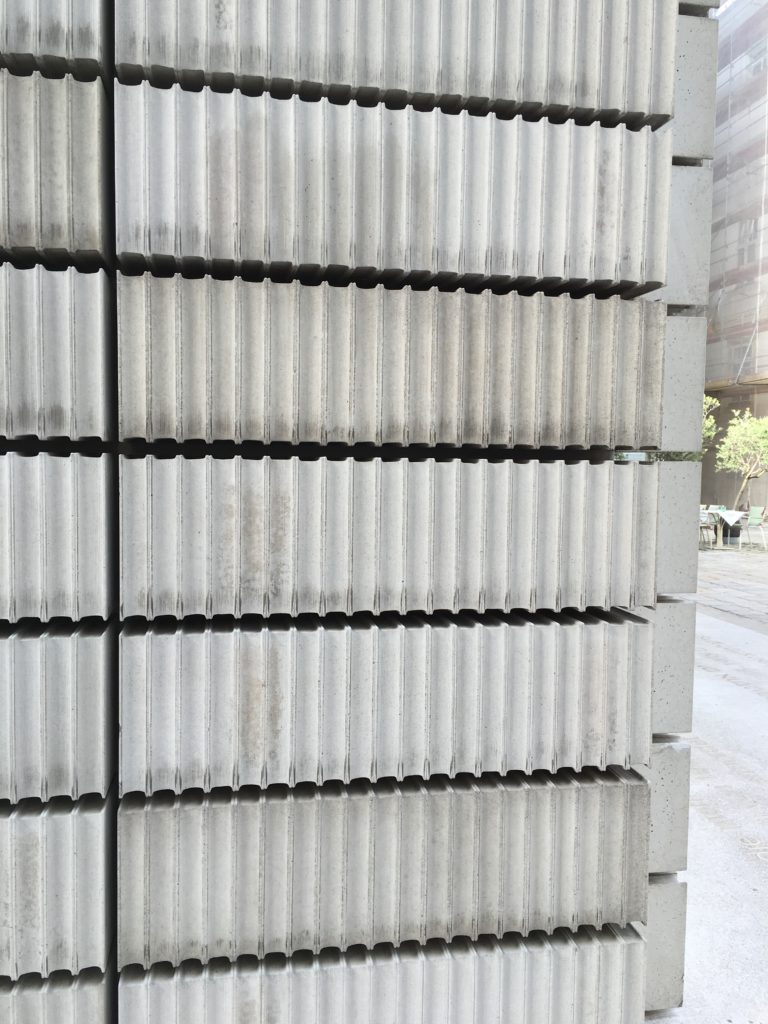
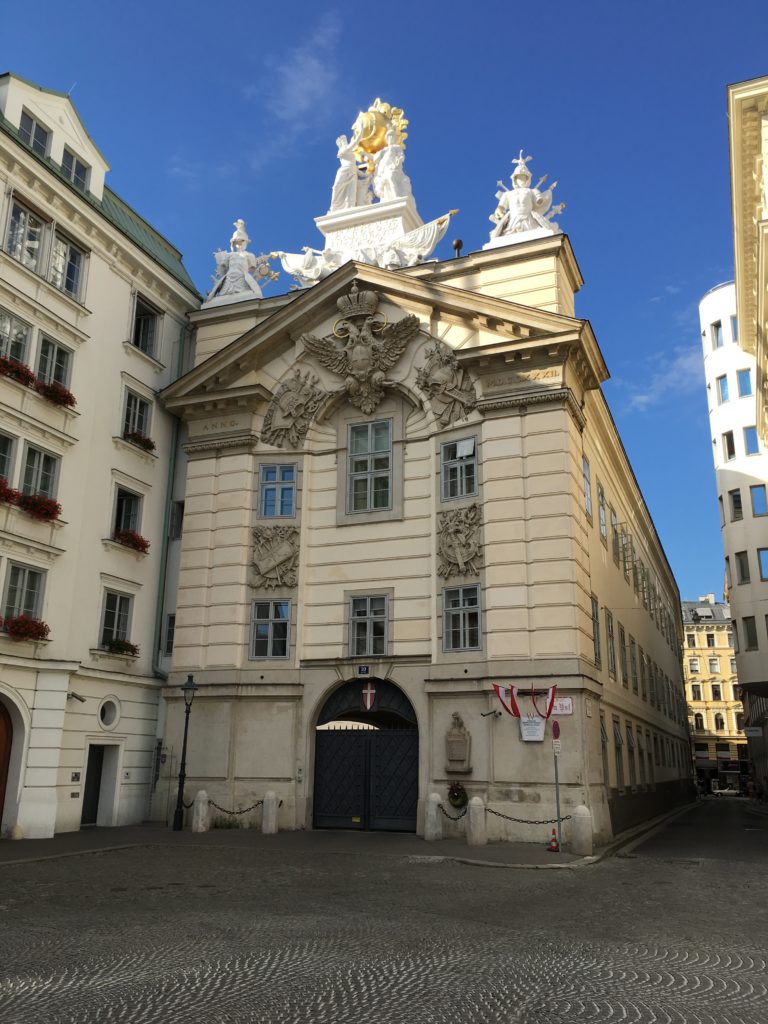
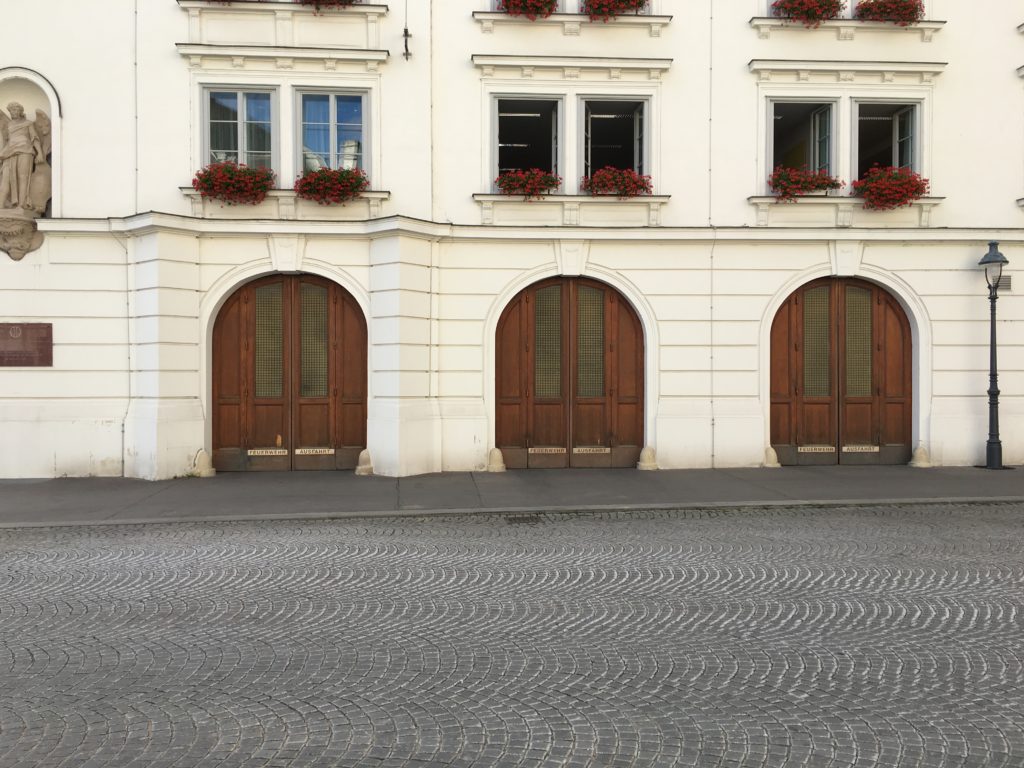
Michael’s Square is dominated by the Baroque Facade of the Hofburg Palace. Coming to this horse-drawn carriage cobbled center was by way of the Palace pathways. Winding through the various buildings that were built by each succeeding Emperor and President you can see the time period and architect attitude with each addition.
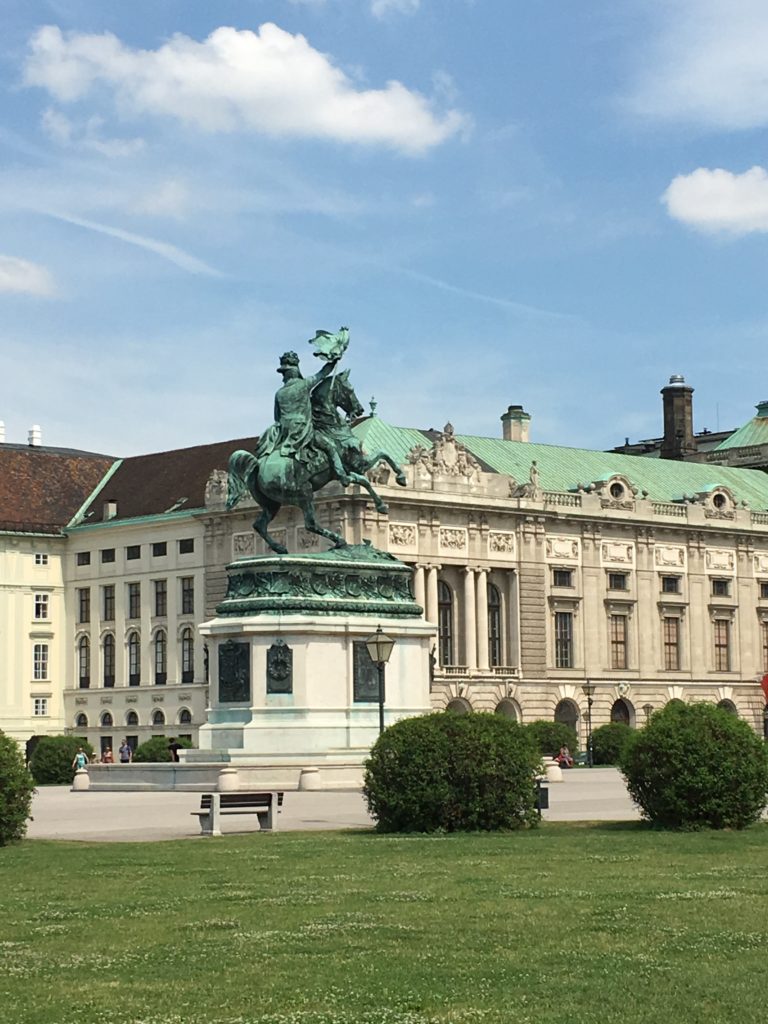
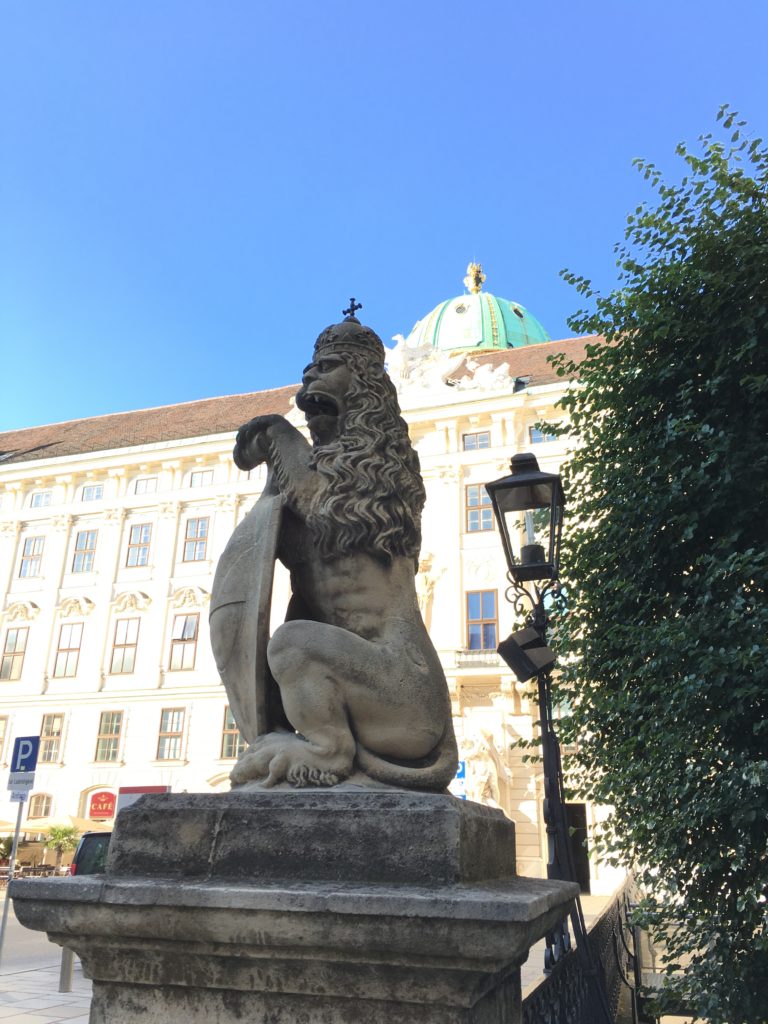
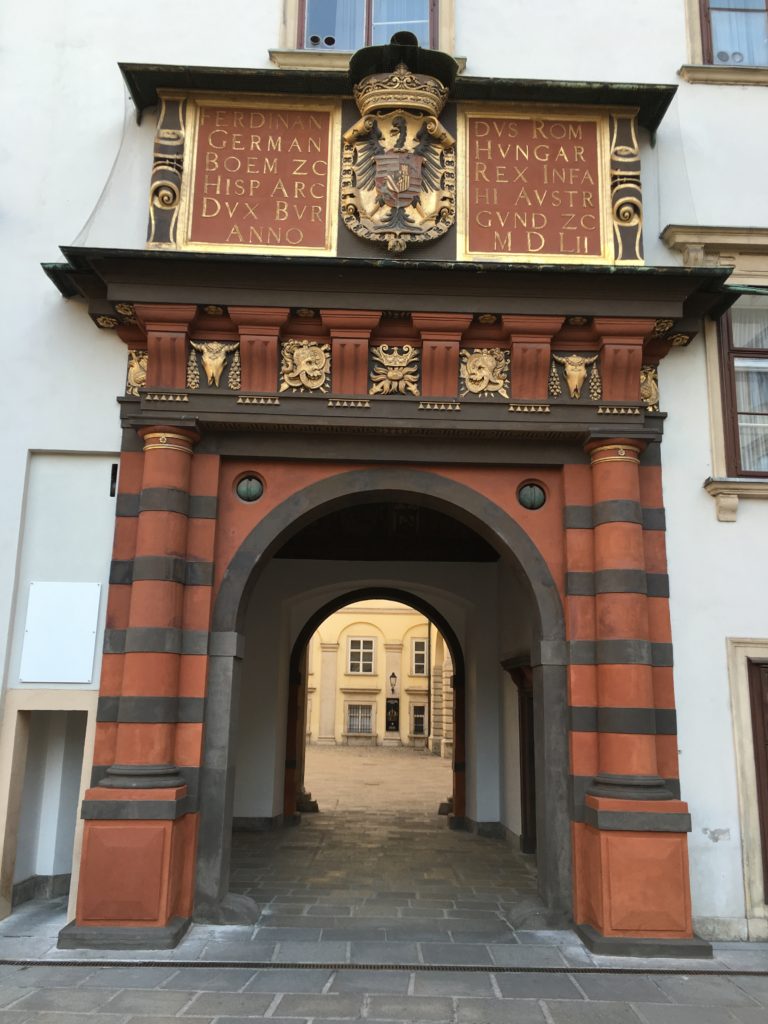
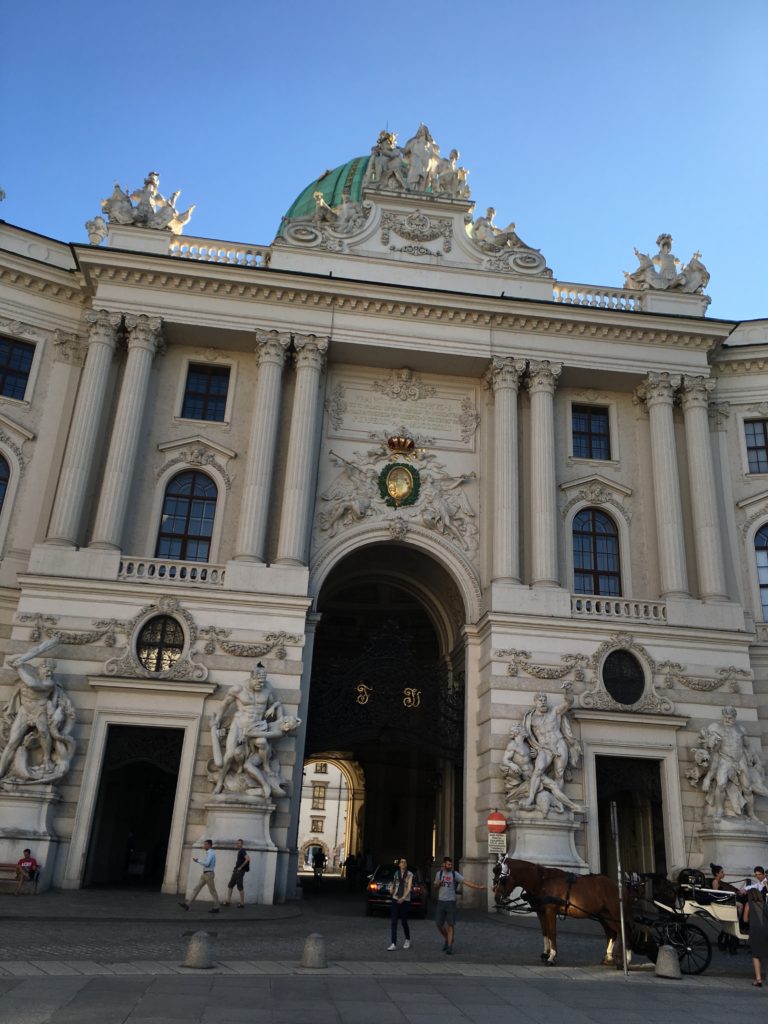
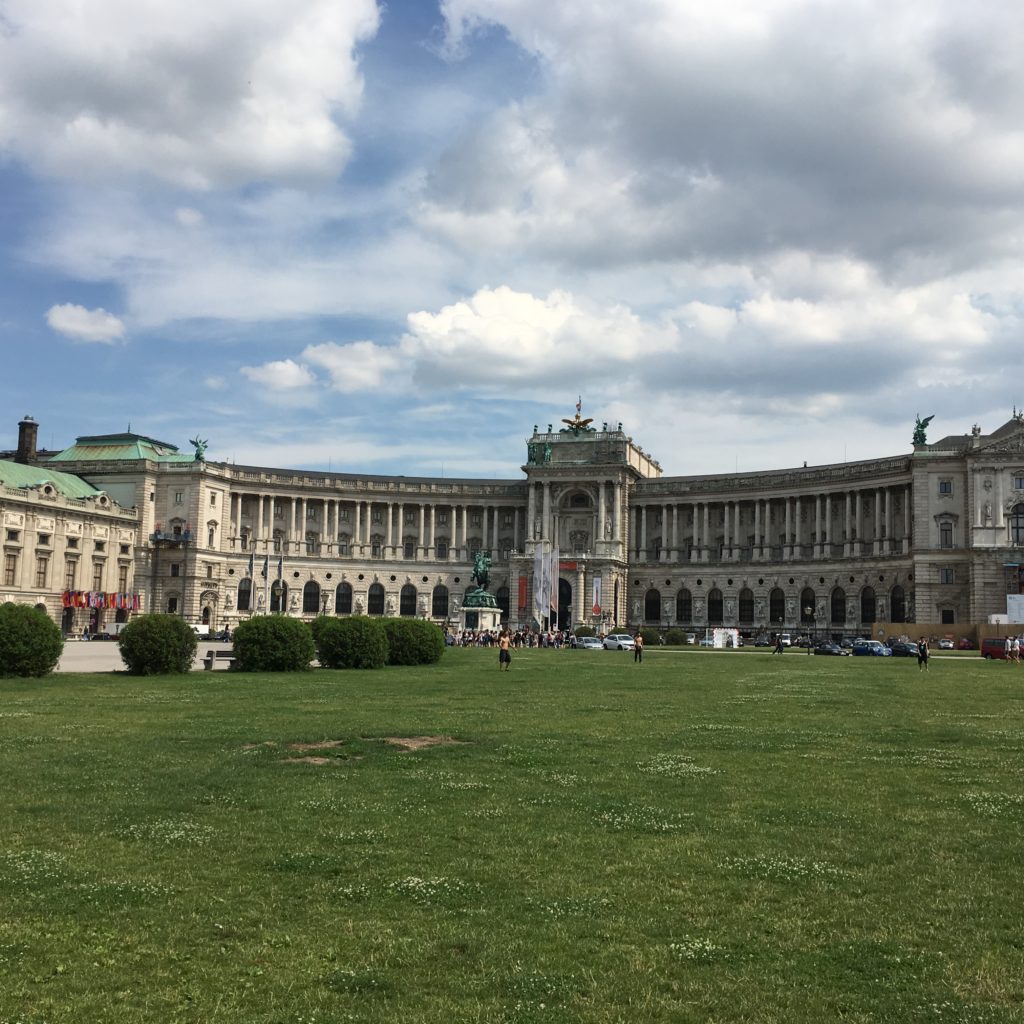

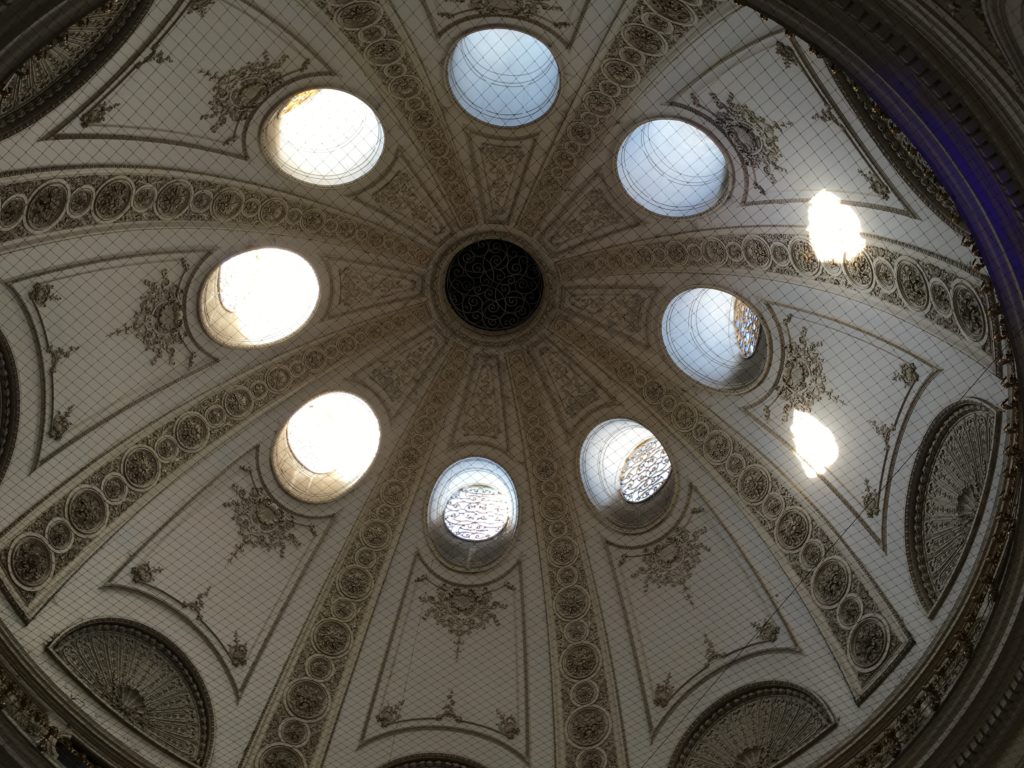
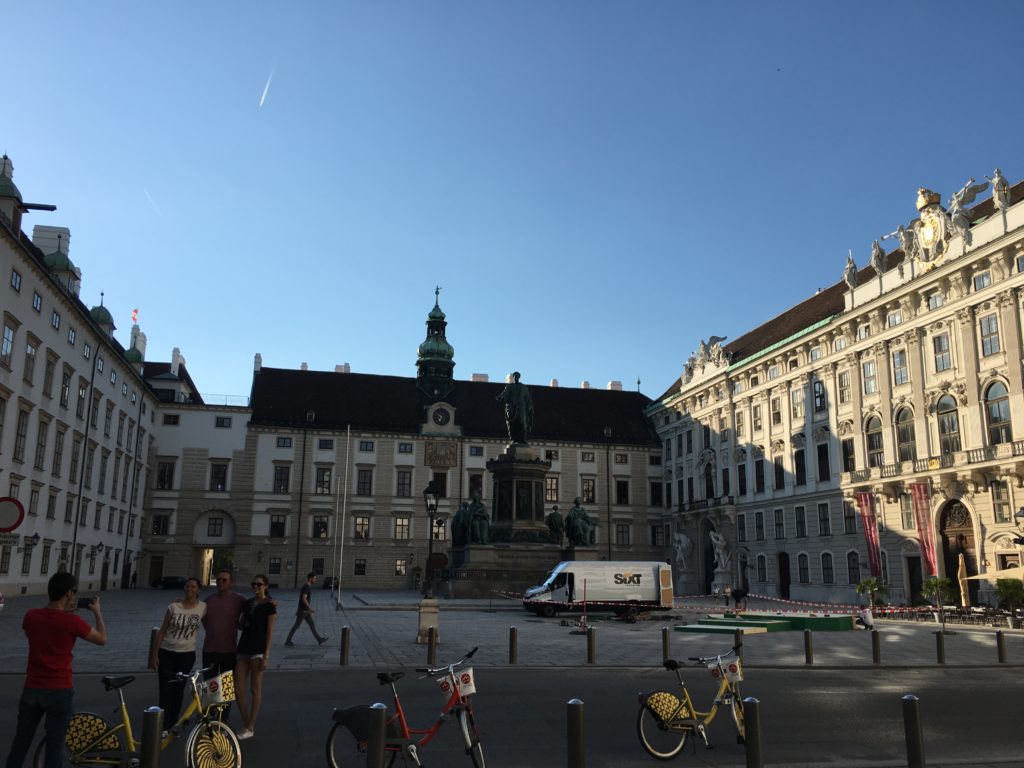

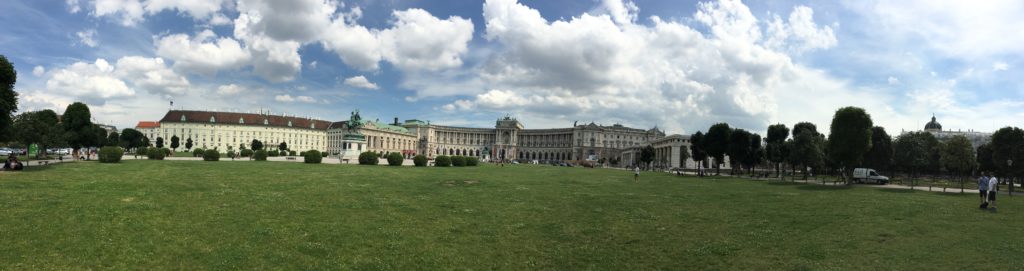
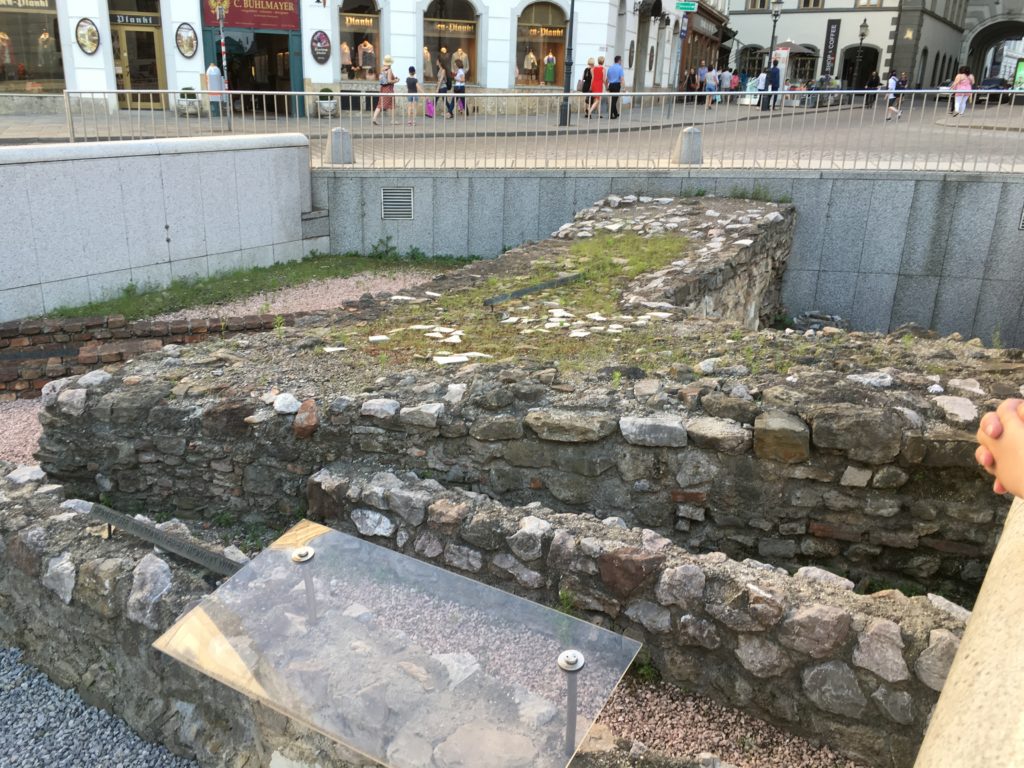
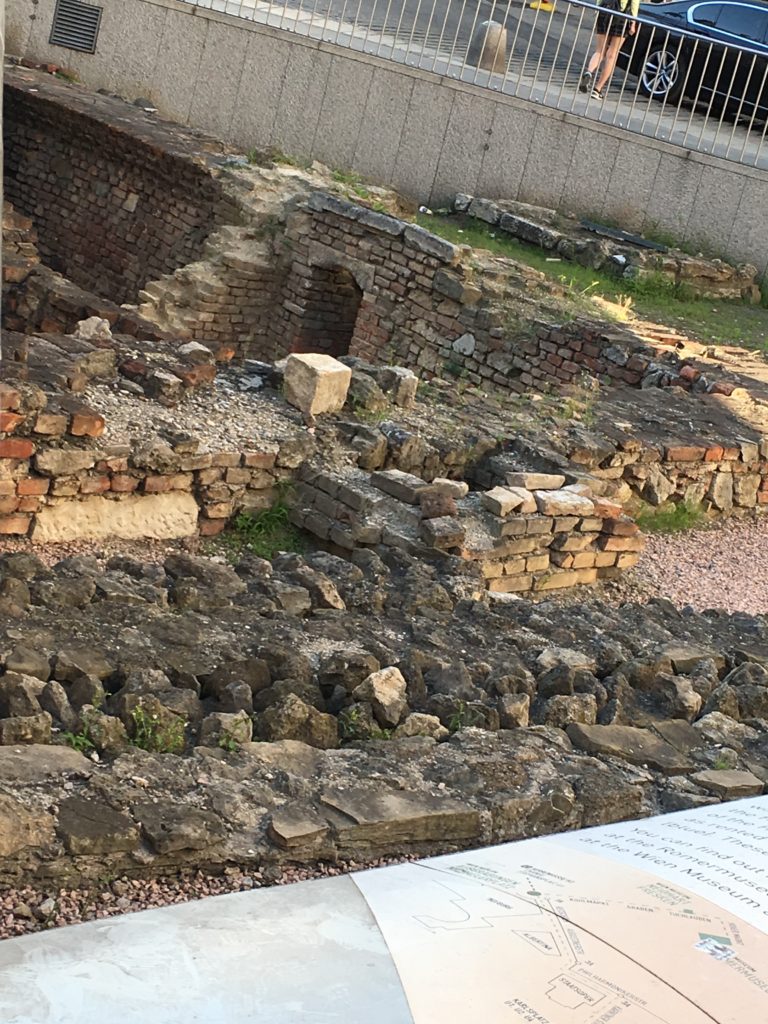
Within this square during a renovation a Roman outpost was discovered. This disappointed the bank doing the excavation as all construction ceased and the remaining Roman ruins saved as a window to the importance of the guarded outpost as an important crossroad in the mid 1200’s.
Riding Schools are throughout the city of Vienna as are the fabulously built churches. Each riding school existed to train and build the military horse. They were strong and sturdy horses, trained to defend themselves and their riders during a military battle. Our hotel now owned by Marriott was the Imperial Riding School located just outside the original walled city.

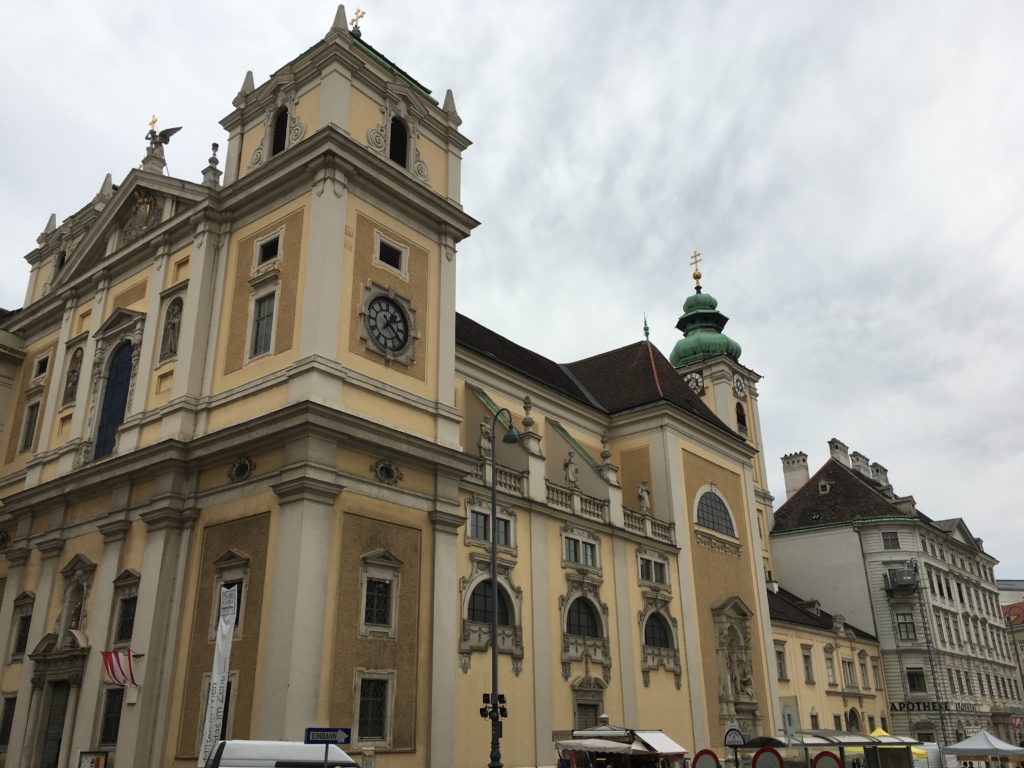
It was said that as the armies tried to destroy all artifacts in Prauge the one in the Franiskirch of Mary would not release his axe, the Monks had it bronzed as a symbol to their power.
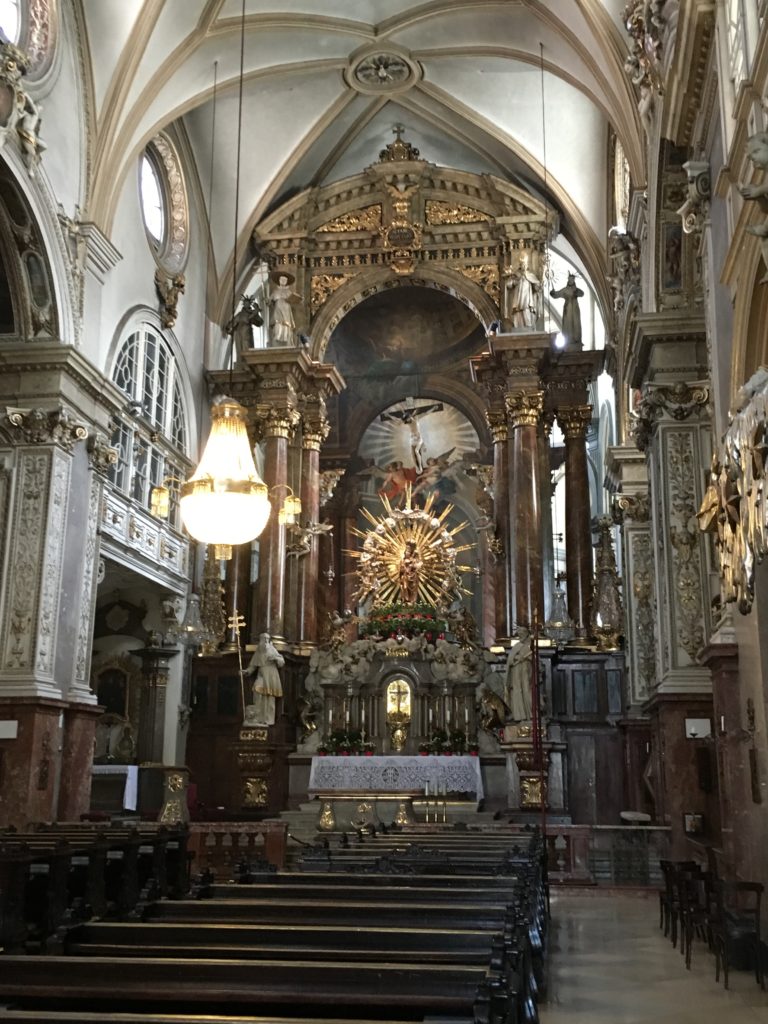
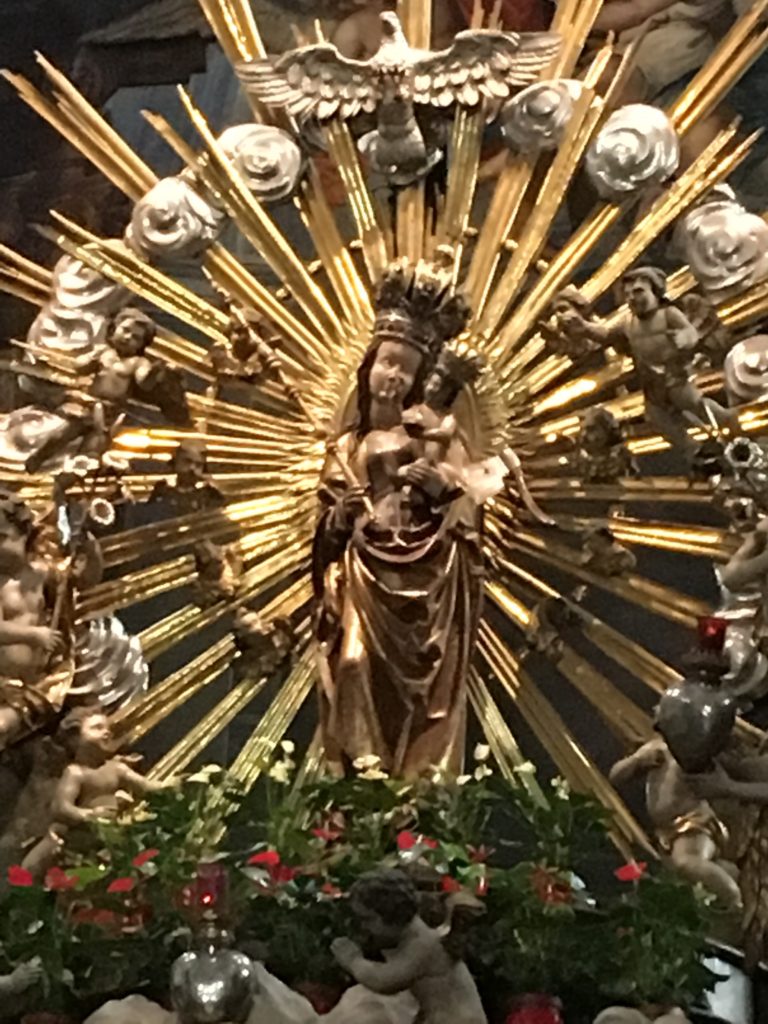
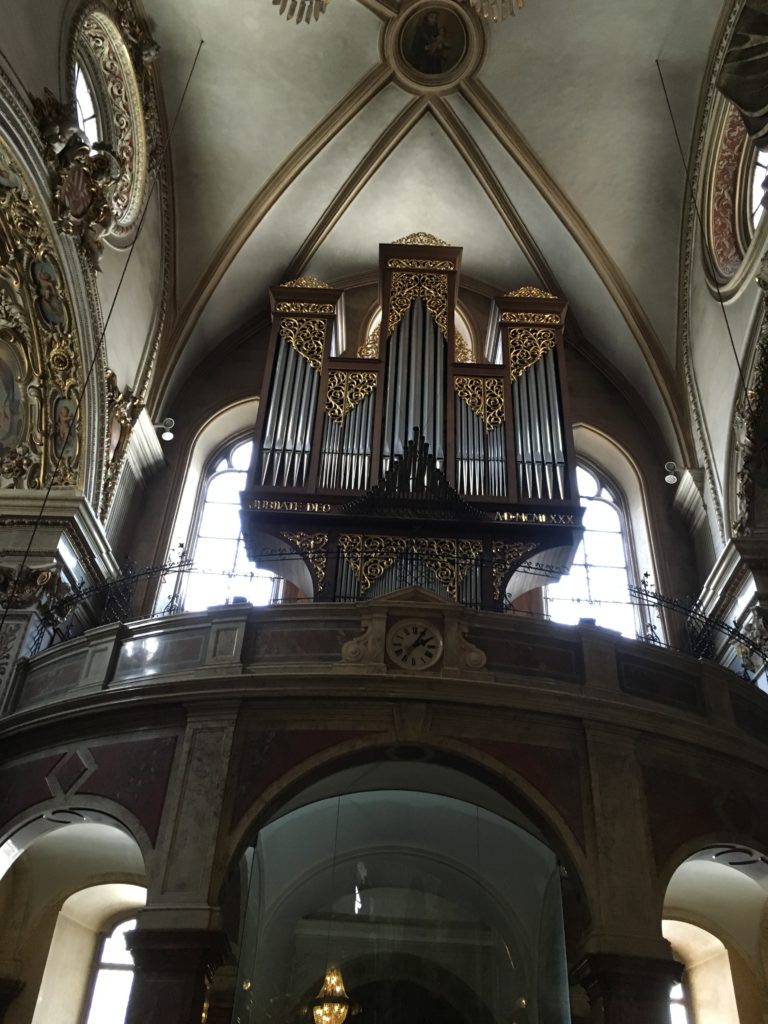
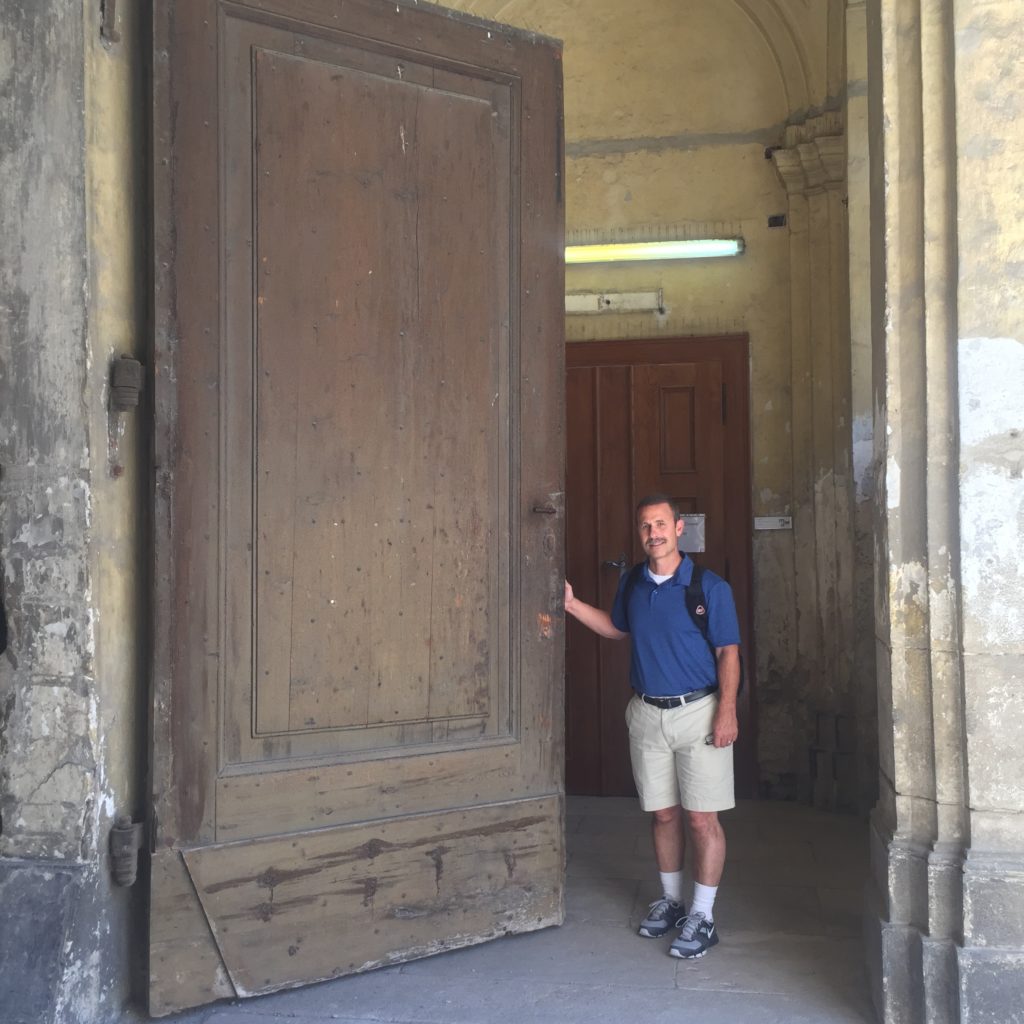
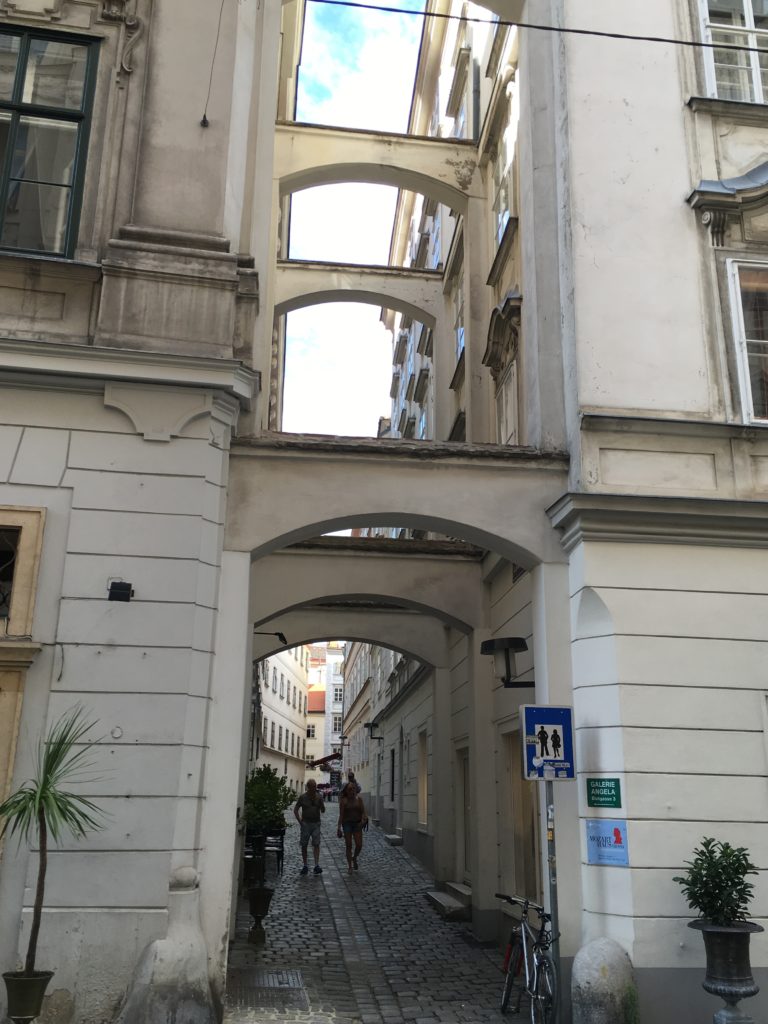
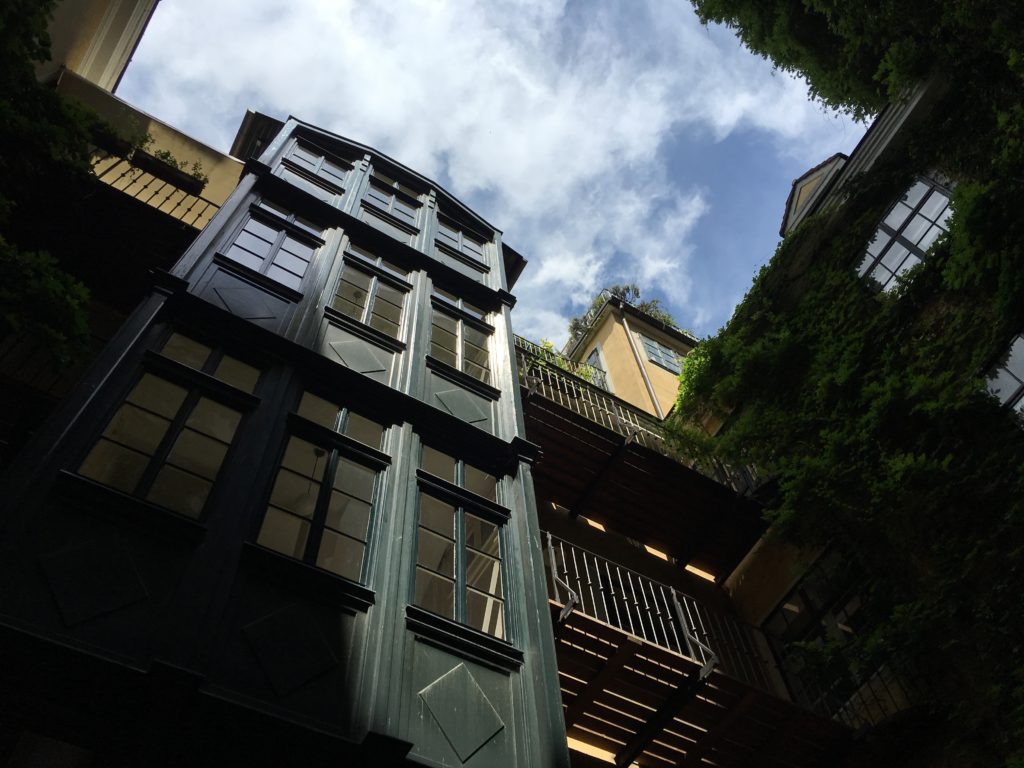
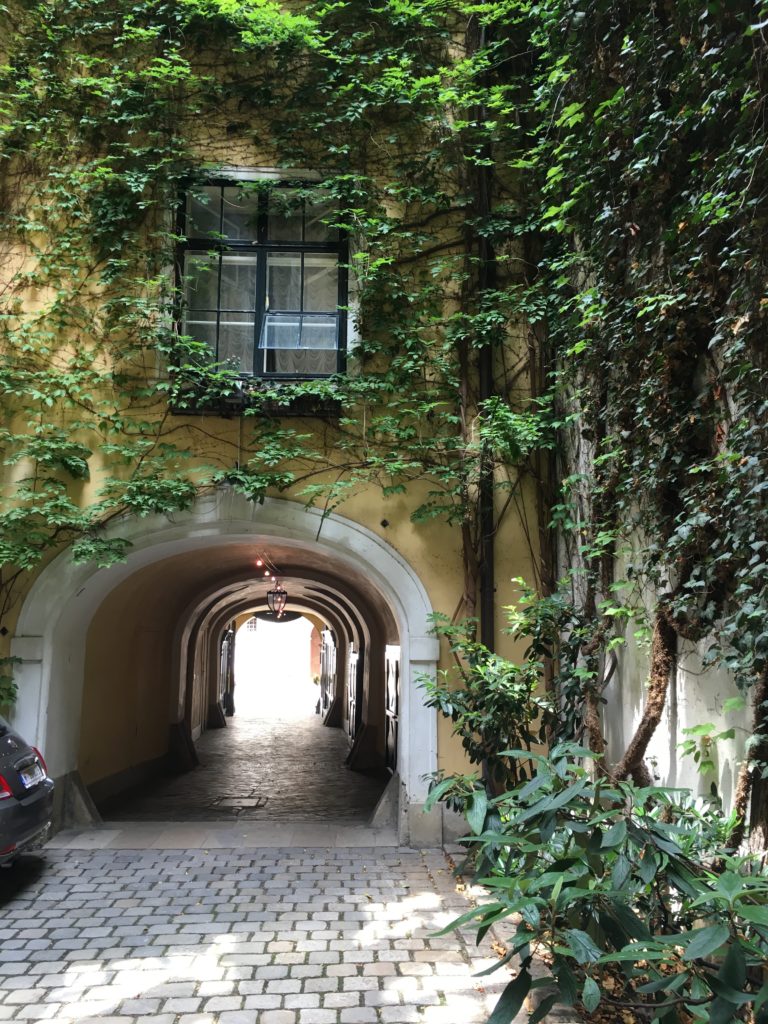
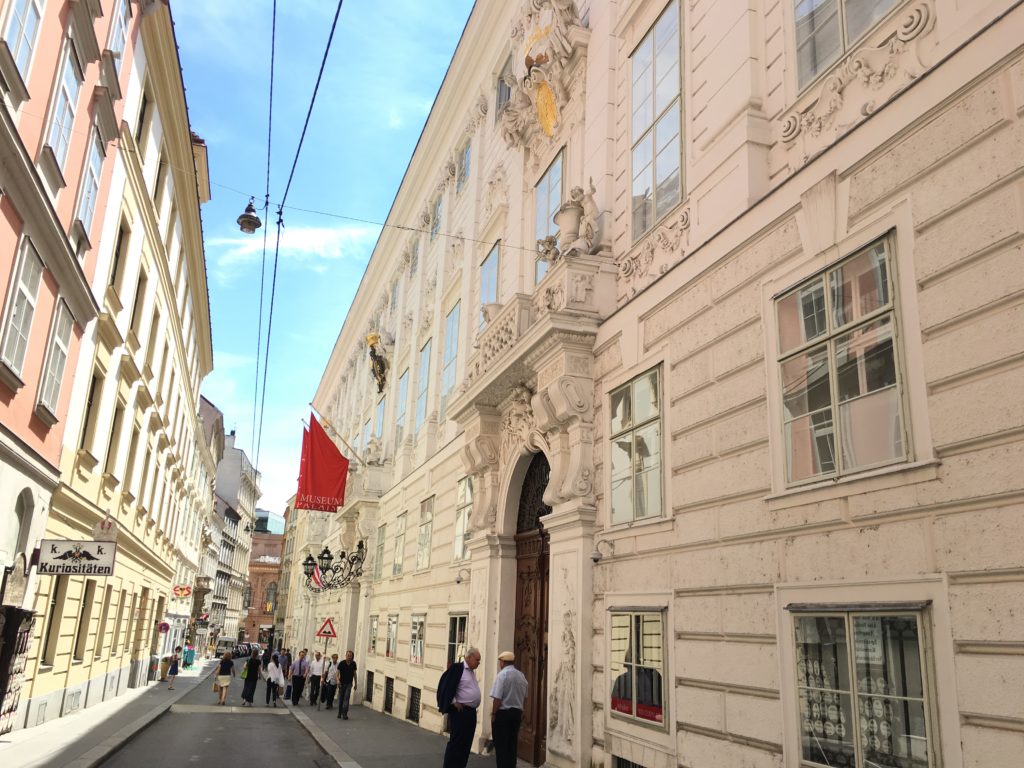
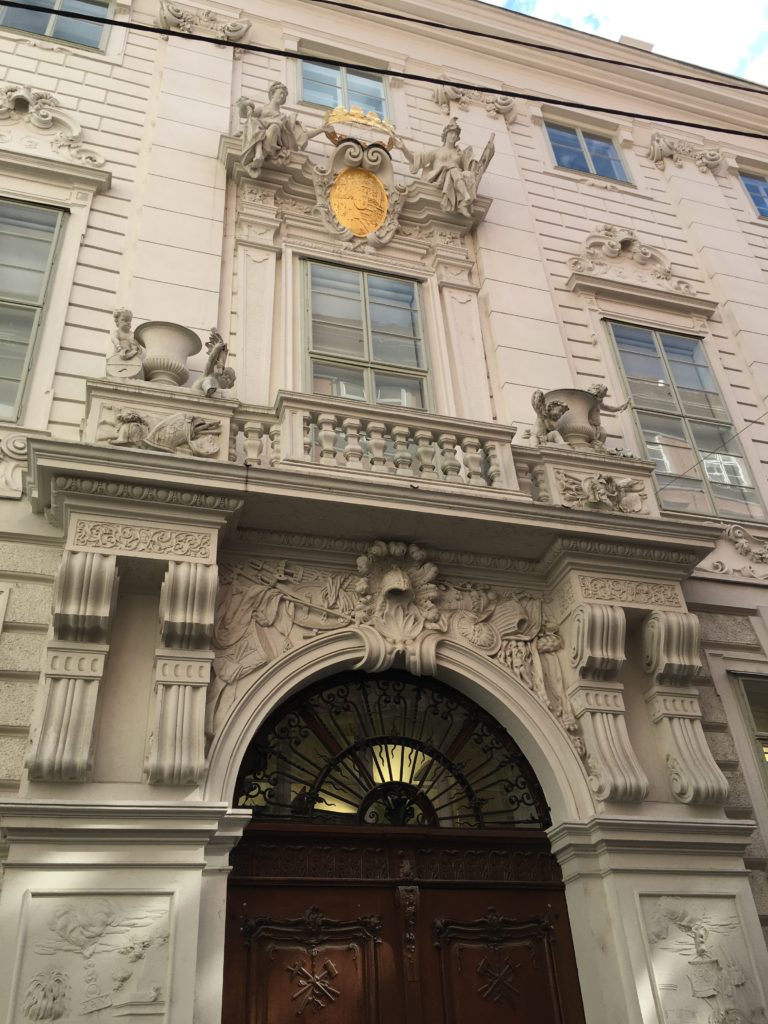
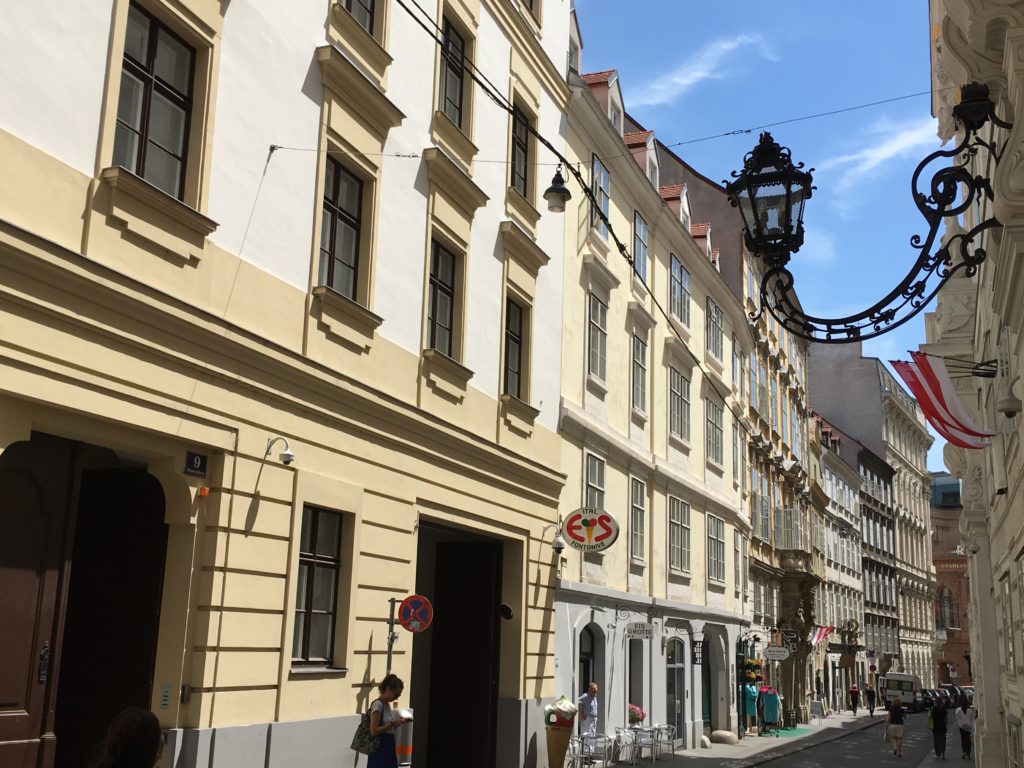
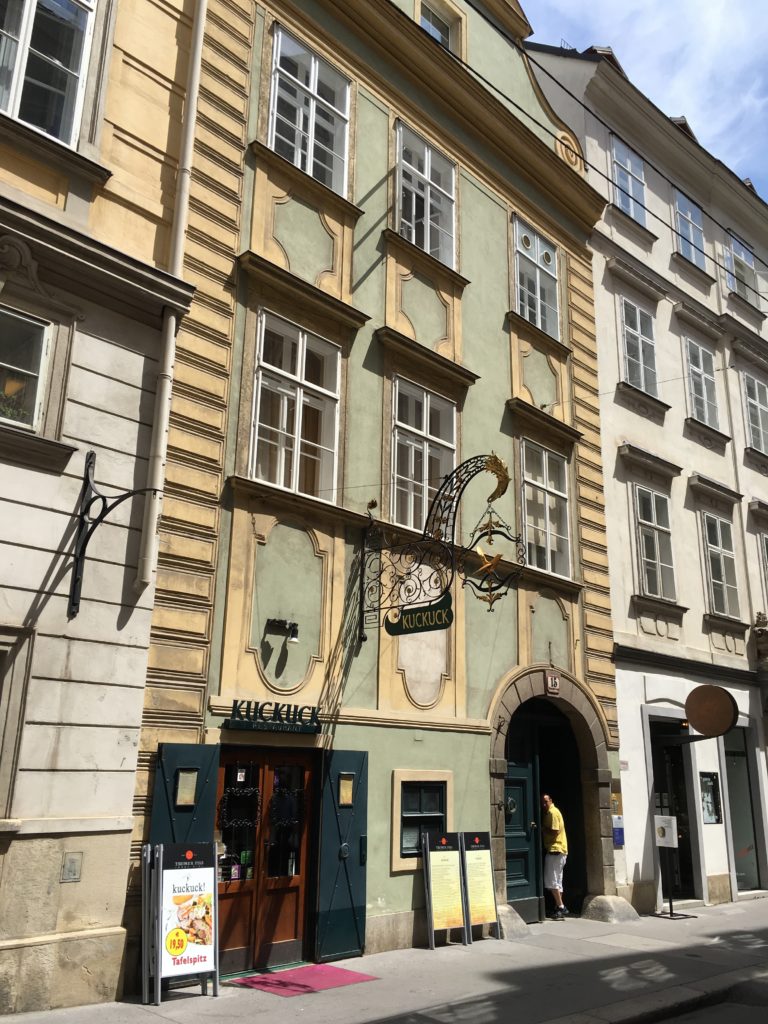
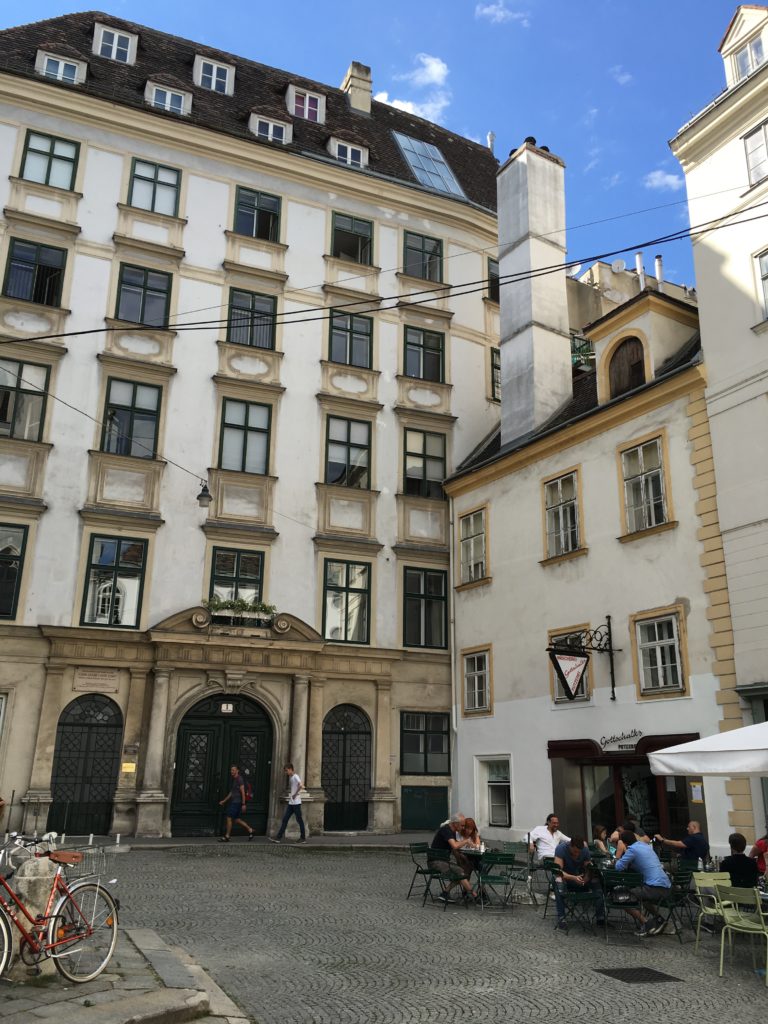
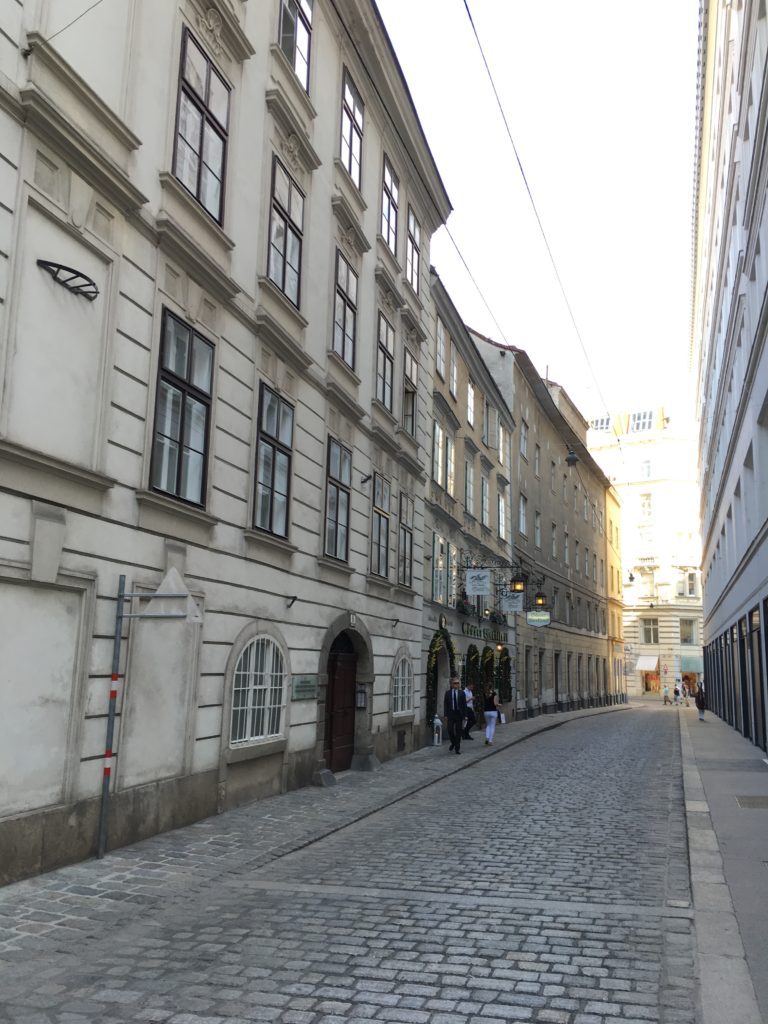
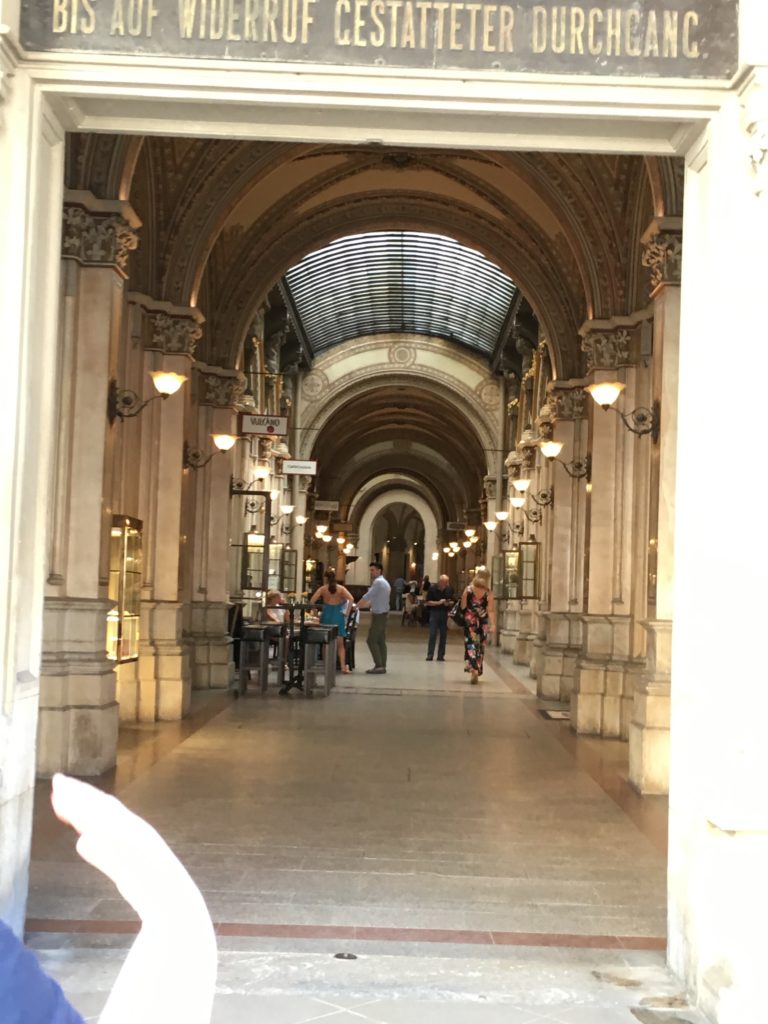
Old Town architecture is intriguing and beautiful. Our guide Irene let on that the ledge we see is the original building from the early centuries housing the merchant on the ground floor and the residences the floor above. In the 1700 and 1800’s the third and fourth floor additions were brought about as the towns grew. Because of regulation, both architectural and safety, that is as far as they could be built. In the 1900’s the attic spaces were converted to living quarters. You can easily tell the difference between aristocracy, middle class and the peasant population with the store front images down a narrow street.


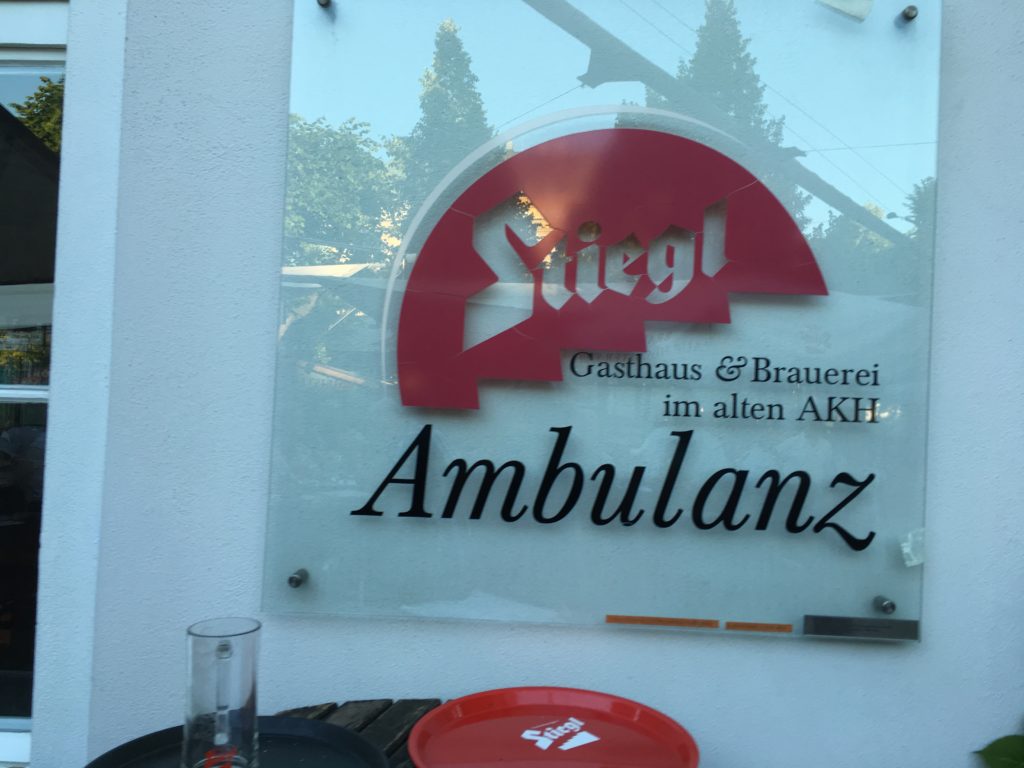
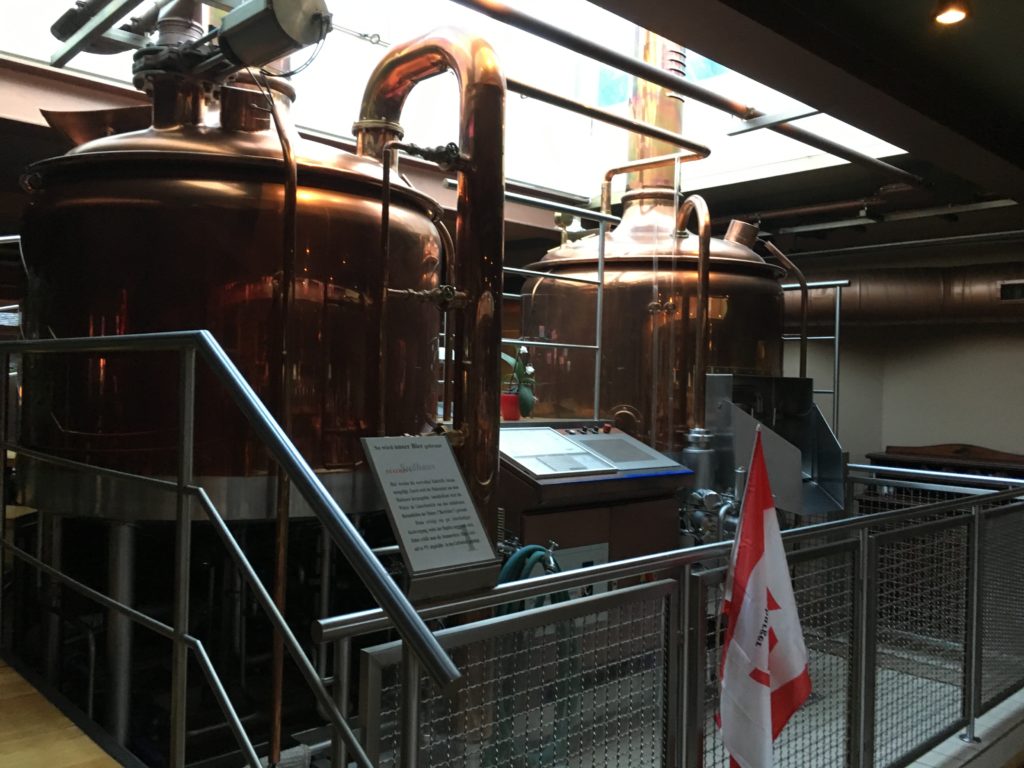
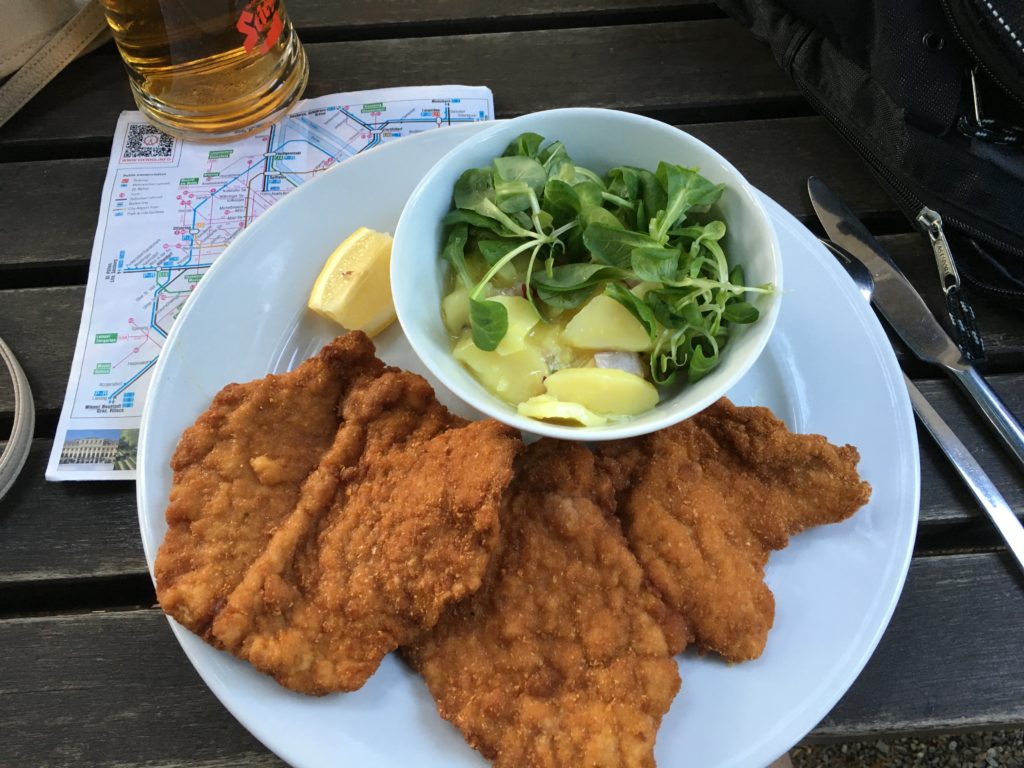
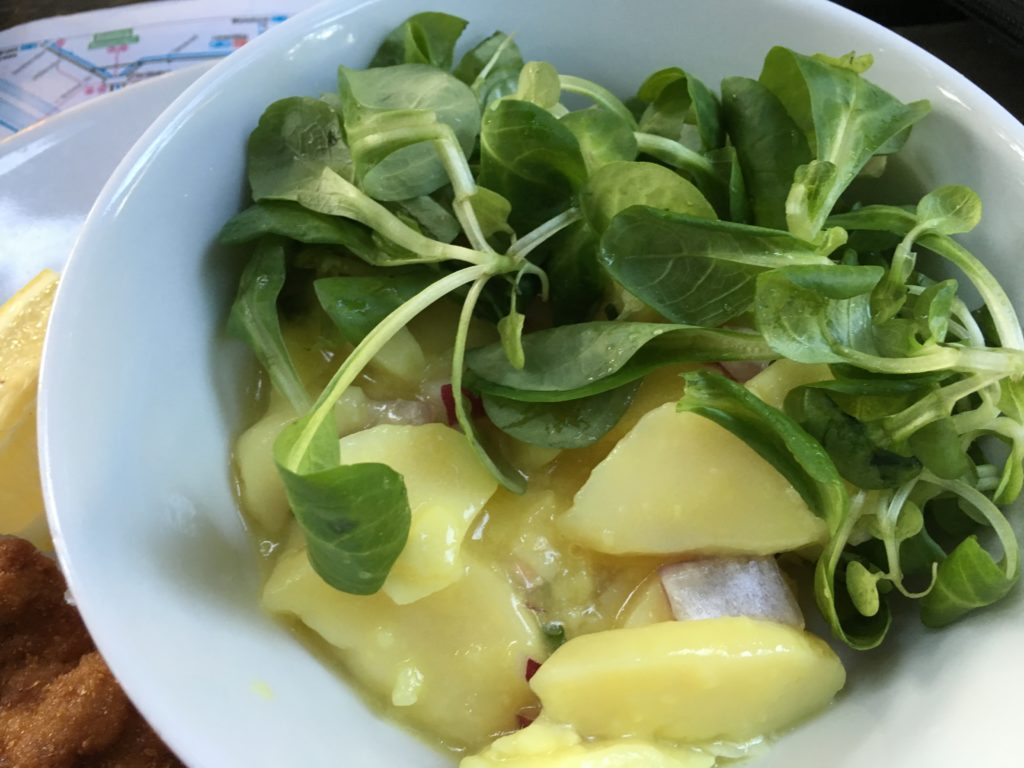
Had a great dinner at an outdoor venue in the middle of a hospital where they have a few restaurants and a local brewery.
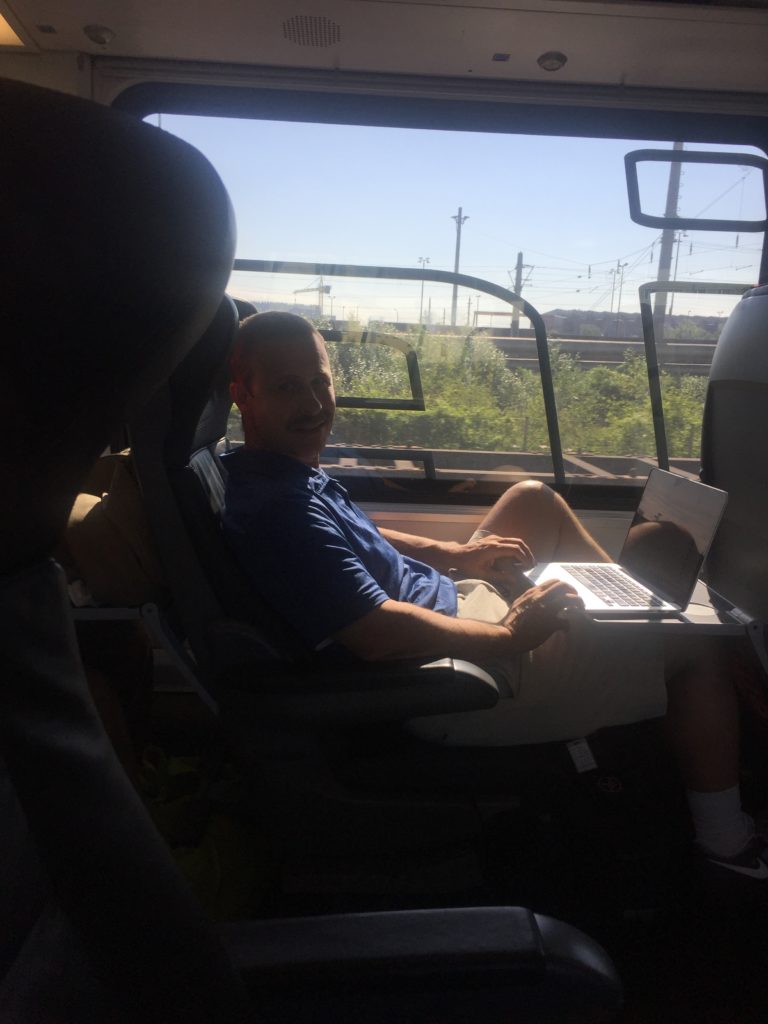
While we have been using our feet to traverse these cities our little NIKE doggies get tired so we are well versed on the subway/tram. Learning makes traveling more efficient:)